
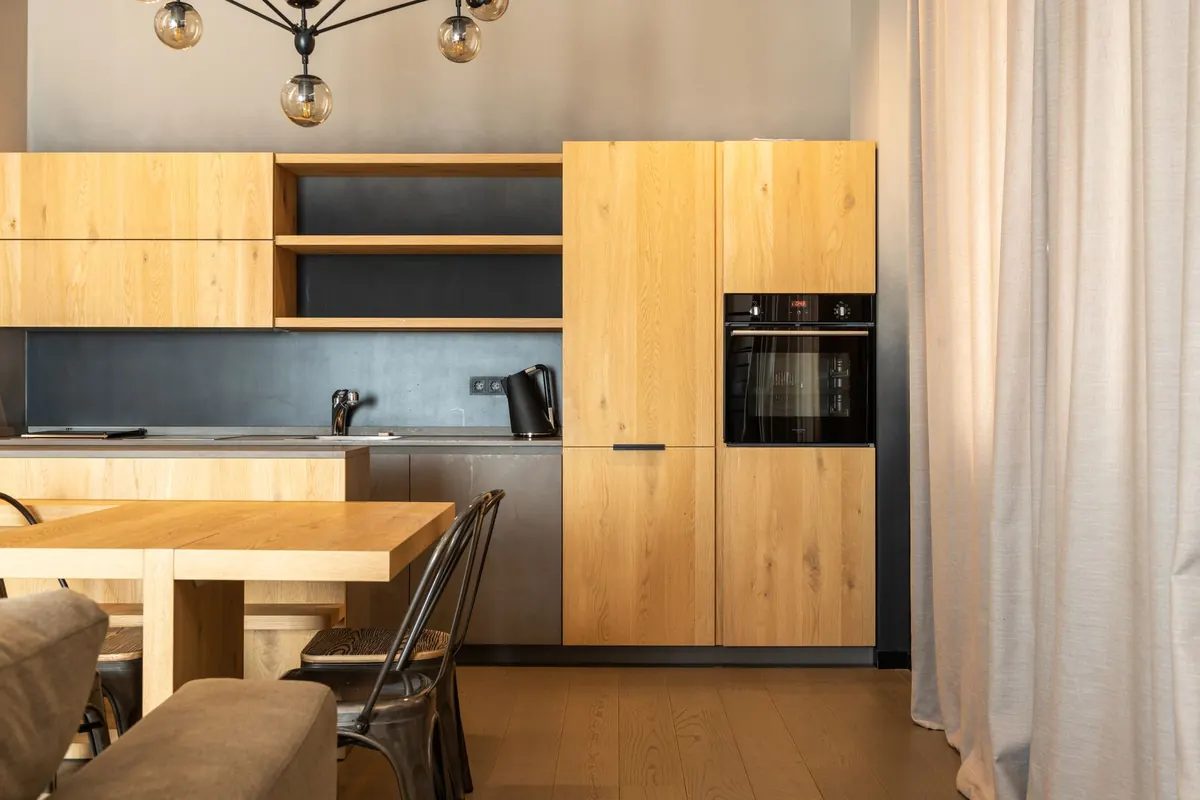
Rehema runs three short-stay apartments in Masaki. Her ratings were good, but not great, until one guest left a review that changed how she hosted: "We arrived at midnight after a long flight and there was nothing to eat. The supermarket was closed." The next week she put a simple welcome kit in each apartment: water, fruit, tea, eggs, bread, a pack of frozen fries in the freezer and a card with three easy meals. Her next ten reviews all mentioned the kitchen.
The best welcome food for Airbnb hosts in Tanzania is simple, long-lasting and easy to cook: bottled water, tea and coffee, fresh fruit, bread and eggs, a few local snacks, and freezer staples like frozen fries that turn into a quick meal on the first night. Add a clean, well-equipped kitchen and a short card with ideas, and guests feel looked after from the moment they arrive. Here is what to stock, what it costs and how to keep it simple.
Why does the guest kitchen matter so much?
Many guests arrive late, after long flights or bus journeys, and many stay several nights. On short-stay rentals, the kitchen is often the reason guests chose an apartment over a hotel. A few thoughtful items cost little but show up again and again in reviews, and reviews decide your ranking. Airbnb's own hosting resources point to small welcome touches and a well-equipped kitchen as common reasons guests leave five stars.
What should go in a welcome kit?
- Drinking water: two or three large bottles. This matters more than anything else in a hot city.
- Tea, coffee, sugar and milk: long-life milk keeps for months.
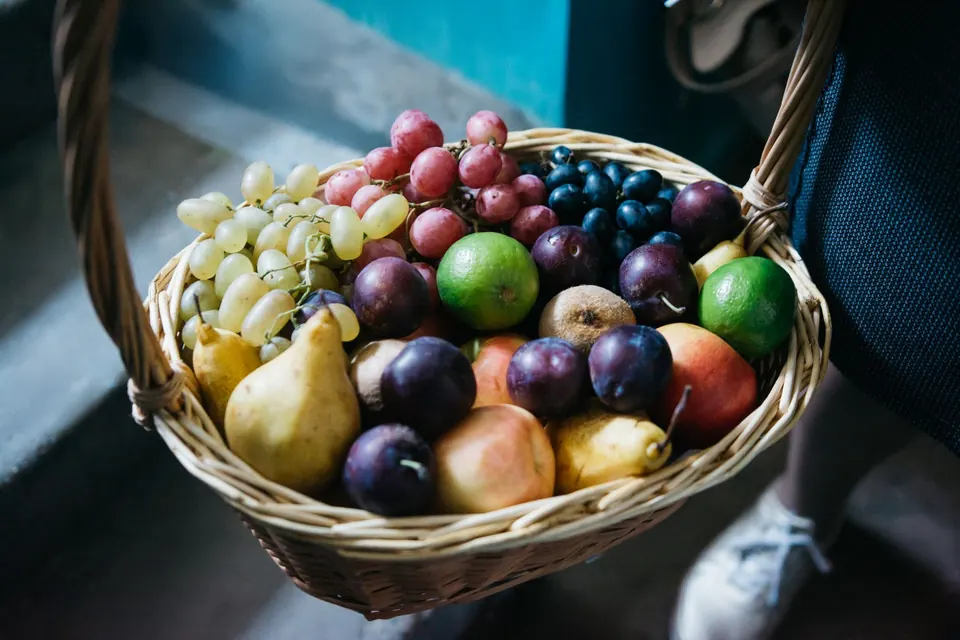
- Fresh fruit: bananas, mangoes or oranges in season.
- Bread and eggs for a first breakfast.
- A local snack: roasted cashews, coconut biscuits or a small bag of crisps.
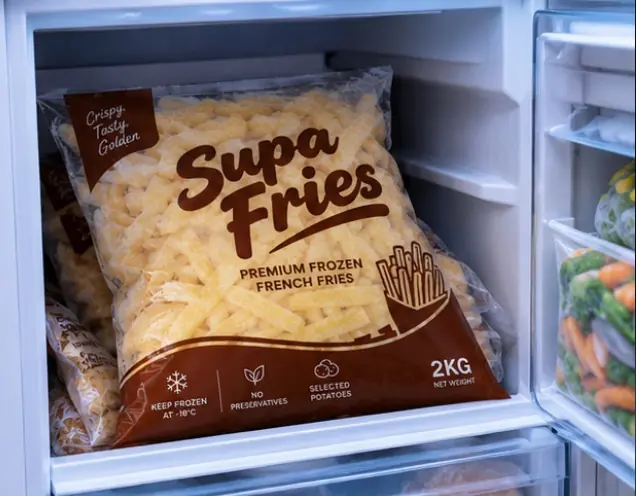
- A freezer staple: a pack of frozen fries, so guests can make chips and eggs on night one.
Keep it small and fresh. A half-empty basket of old snacks looks worse than nothing.
What basics should every guest kitchen have?
Beyond the welcome kit, guests expect a working kitchen. Check these before every stay:
| Category | What to provide |
|---|---|
| Pantry | Salt, pepper, cooking oil, sugar, tea, coffee |
| Cookware | A frying pan, a pot, a baking tray, a sharp knife, a chopping board |
| Appliances | Kettle, fridge with a freezer compartment, ideally an air fryer or oven |
| Tableware | Plates, bowls, glasses, cutlery for the number of guests plus two |
| Cleaning | Dish soap, a fresh sponge, a dish towel, bin bags |
An air fryer is a small investment that guests love. It cooks frozen fries in 12 to 15 minutes with almost no oil and no mess. Our air fryer vs deep fryer post explains why it suits rentals better than a pot of oil.
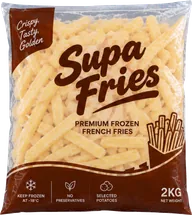
A 2 kg pack of Supa Fries keeps for months in the freezer and cooks in the air fryer or oven in minutes. Order a few packs for your rentals.
Order nowWhy put frozen food in the freezer?
Frozen staples solve the biggest problem for hosts: food that spoils between guests. A pack of fries keeps for up to 12 months at -18°C, so you can stock it once and replace it only when a guest uses it. Leave a short card on the freezer door: "Help yourself. Air fryer 200°C for 12 to 15 minutes." Our guide on how to cook frozen fries has times for every method, and how to store frozen fries covers what to do after power cuts.
What should go on a "quick meals" card?
Three simple ideas, written in English and Swahili if you can:
- Chipsi mayai: fries cooked in a pan, eggs poured over, folded. Our recipe: how to make chipsi mayai.
- Chips and eggs with kachumbari: fries, fried eggs and a quick tomato and onion salad.
- Loaded fries: fries topped with cheese and anything left in the fridge. Ideas in loaded fries recipes.
Add your favourite nearby restaurants and a delivery app or two. Guests appreciate local tips almost as much as food.
How much does a welcome kit cost?
For a one-bedroom apartment, a simple kit of water, tea, coffee, fruit, bread, eggs and a snack usually costs a small fraction of one night's rate. The freezer staples last across several stays, so their cost per guest is lower still. Track what guests actually use for a month and drop what they ignore. If guests regularly finish the fries, that is a good sign; replace them and keep a spare pack in a cupboard freezer bag.
What changes for longer stays?
Guests staying a week or more cook more. Offer a slightly bigger starter pantry, add a list of nearby markets and supermarkets, and consider a paid add-on: a "stocked fridge" option where you buy groceries before arrival. Some hosts in Zanzibar and Arusha offer a cook for one evening meal, which guests often book for birthdays and family trips.
How do you keep food safe between guests?
Empty the fridge of anything opened at every changeover. Wipe shelves, check use-by dates on milk and yoghurt, and keep the freezer at -18°C. If the power was off for a long time, check frozen items for thawing before the next guest arrives. Simple rules from the World Health Organization's food safety guidance apply: keep cold food cold, keep the kitchen clean and throw out anything doubtful.
How do you handle guests' dietary needs?
Ask in your booking message: "Any food allergies or diets we should know about?" A vegetarian guest appreciates a welcome kit without meat; a Muslim family will notice that you thought about halal snacks; a guest with a nut allergy will be glad you left out the cashews. Write the ingredients of anything homemade on a small card. These details take two minutes and often appear in reviews as "thoughtful" and "caring".
Which local touches do guests love?
International guests love trying local flavours safely. A small bag of Tanzanian coffee or tea, a few pieces of seasonal fruit like mango or passion fruit, and a short note recommending where to try chipsi mayai or mishkaki nearby give guests a story to tell. Our Tanzanian dishes made with fries post is a fun link to share in your guest guide.
What if you run several apartments?
Buy in bulk and keep a small store. Frozen fries, tea, coffee and long-life milk are easy to buy for many units at once and store centrally. A freezer in your storeroom with a few dozen packs means you never run out on a busy weekend. Hosts with five or more units can ask suppliers for bulk prices through our quote form.
Rehema now stocks all three apartments from one storeroom freezer. Her favourite review is short: "Fries and eggs at midnight. Best host ever."
In short
The best welcome food for Airbnb hosts in Tanzania is simple and long-lasting: drinking water, tea and coffee, fresh fruit, bread and eggs, a local snack and a freezer staple like frozen fries for a quick first-night meal. Stock basic pantry items and cookware, add an air fryer if you can, and leave a short card with easy meals like chipsi mayai. Clear the fridge between guests, keep the freezer at -18°C, and buy staples in bulk if you run several units.
Frequently asked questions
What should an Airbnb host leave for guests to eat?
Drinking water, tea and coffee, fresh fruit, bread and eggs, a local snack, and a freezer staple such as frozen fries for an easy first meal.
Is it worth putting an air fryer in a rental?
Yes. It is cheap, safe, easy to clean and cooks frozen fries in 12 to 15 minutes with almost no oil.
How long do frozen fries last in a rental freezer?
Up to 12 months sealed at -18°C. Replace a pack when a guest uses it.
How much does a welcome kit cost?
Usually a small fraction of one night's rate for a one-bedroom unit. Freezer staples last across several stays.
Can hosts with several apartments buy in bulk?
Yes. Many hosts keep a central storeroom freezer and order staples like frozen fries in bulk.
Put better chips on your menu
Found this useful? Share it.