

Zawadi started catering by accident. Her cousin's wedding caterer cancelled two weeks before the day, and she offered to cook for 150 guests with her sisters. It went so well that three guests asked for her number. Five years later she runs a registered catering company in Dar es Salaam with a rented kitchen, eight permanent staff and bookings most weekends.
To start a catering business in Tanzania, register the business with BRELA and TRA, get a business licence and a health inspection for your kitchen, choose a focus (weddings, corporate lunches or private parties), build a small menu you can cook well in volume, price per plate from your real costs, find reliable suppliers, and start with small events. Here are the ten steps in order, with the costs and mistakes to plan for.
What does a catering business involve?
Catering means cooking food for events and delivering or serving it on site. Unlike a restaurant, your customers come to you once for a big order, and you cook everything in one go. That means planning, transport and timing matter as much as cooking. The upside is that you do not need a restaurant location, and you get paid deposits before you buy ingredients.
What are the 10 steps?
1. Choose your focus
Weddings, send-offs and kitchen parties are the biggest market in Tanzania, but they are seasonal and competitive. Corporate lunches and conferences pay reliably on weekdays. Private parties and birthdays are smaller but frequent. Start with one focus and become known for it. Our post on corporate catering menus covers the office side.
2. Register the business
Register your business name or company with BRELA, get a TIN from the Tanzania Revenue Authority, and apply for a business licence from your municipal council. Corporate clients will ask for invoices with your TIN, so register before you pitch to them. Our guide to restaurant licences and permits explains the offices involved.
3. Get your kitchen inspected
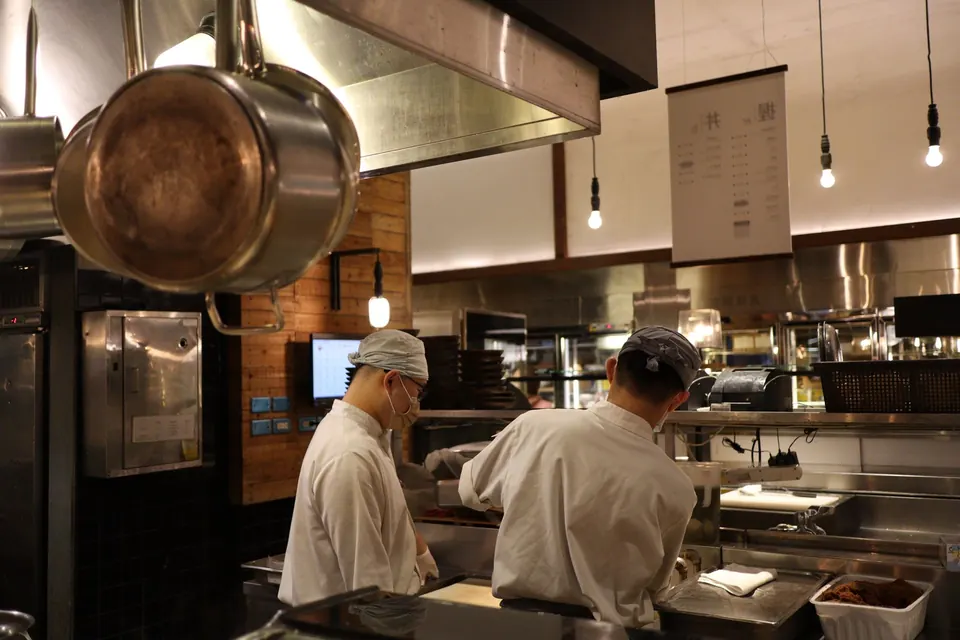
Food businesses need a kitchen that passes a health inspection, and staff who handle food need medical certificates. Many caterers start in a home kitchen that has been upgraded, then rent a commercial kitchen as they grow. Whatever you use, it needs clean surfaces, running water, good drainage and safe storage.
4. Buy the right equipment
Start with what you need for your first events and rent the rest. The essentials are large pots and karais, gas burners, a deep fryer if you serve fries or fried snacks, chafing dishes, serving trays and utensils, cool boxes, and a chest freezer. Our kitchen equipment checklist and chest freezer guide help you prioritise.
5. Build a small menu you can scale
Pick dishes that taste good after transport and holding: pilau, biryani, stews, grilled chicken, roasted vegetables, salads, chapati and fries cooked on site. Offer three or four set packages at different price levels instead of an open menu. Every dish should have a written recipe with quantities for 50, 100 and 200 guests, so results stay the same whoever cooks.
6. Price per plate from real costs
Work out the cost of ingredients per plate, then add transport, gas, disposables, staff, equipment hire and a margin. Many caterers aim for food costs of about a third of the price per plate, but your numbers will vary. Always take a deposit, usually 50 percent, when the booking is confirmed. Our post on menu pricing walks through the maths.

Supa Fries cook from frozen in about 3 minutes, so you can fry on site in batches for 50 or 500 guests. Ask for a caterer's quote.
Get a quote7. Find reliable suppliers
A caterer depends on suppliers delivering the right quantity on the right day. Build relationships with a meat supplier, a vegetable market contact, a rice and dry goods wholesaler, and frozen food suppliers for items like fries and samosas. Frozen products save hours of prep before big events. See frozen fries suppliers for what to check.
8. Hire and train a small team
Start with two or three reliable cooks and a pool of casual servers you can call for events. Train everyone on hygiene, portion sizes and how to talk to guests. Uniforms make a small team look professional. Our post on hiring and training staff has practical tips.
9. Plan transport and timing
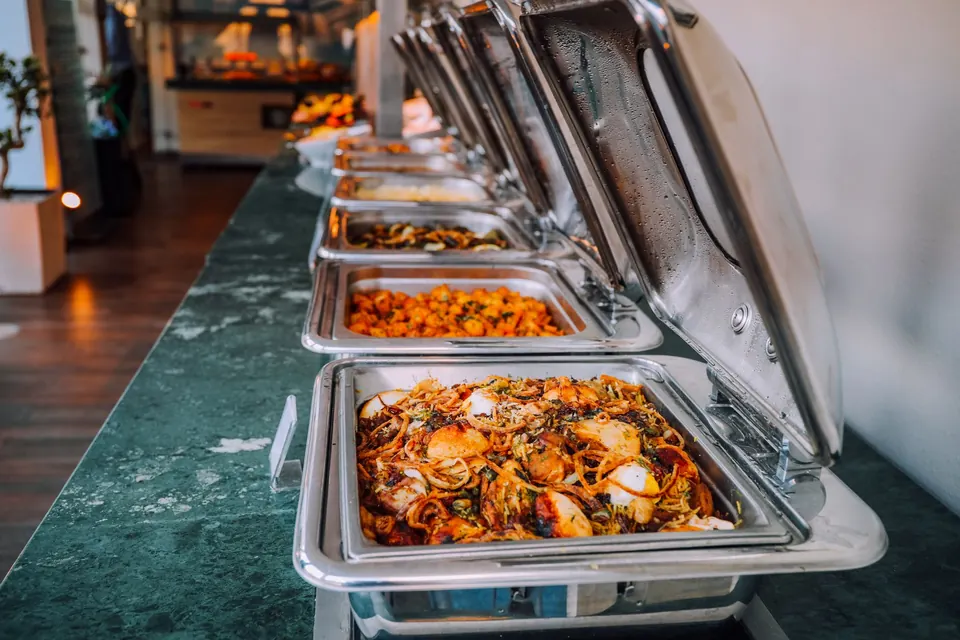
Write a timeline for every event: when cooking starts, when food leaves, when the team arrives and when serving begins. Hot food should stay hot and cold food cold during transport. Fried items like fries and samosas are best cooked on site in a portable fryer so they reach guests crisp.
10. Market through every event
Your best marketing is the food at each event. Leave business cards on the buffet, ask happy clients for reviews and photos, and post them on Instagram and WhatsApp status. A simple Google Business Profile helps people find you; see Google Maps for restaurants. Our social media guide also applies to caterers.
What does it cost to start?
| Item | Start small | Grow into |
|---|---|---|
| Kitchen | Upgraded home kitchen | Rented commercial kitchen |
| Cooking equipment | Large pots, burners, one fryer | Commercial ranges, two fryers, ovens |
| Serving equipment | Hire chafing dishes per event | Own a full set |
| Storage | One chest freezer, cool boxes | Several freezers, a cold room |
| Transport | Hired pickup | Own van |
| Staff | Family and casual helpers | Permanent cooks plus casual servers |

How do you handle tastings and contracts?
For weddings and big corporate events, clients often ask for a tasting. Offer a small tasting of two or three dishes for a fee that you deduct from the final bill if they book. After the tasting, send a written quote with the menu, guest numbers, price per plate, what is included (staff, equipment, setup, clean-up), the deposit and the payment dates. Ask the client to sign or confirm by email. A clear written agreement prevents most disputes about numbers, extras and timing, and makes your business look professional from the first meeting.
Keep a simple file for every event: the signed quote, the final guest count, the shopping list, what was left over and what the client said afterwards. After ten events, those files tell you exactly how to price, how much to buy and which dishes clients love most.
What mistakes do new caterers make?
- Underpricing to win bookings, then losing money on every plate.
- No deposit, then buying ingredients for an event that gets cancelled.
- Too many dishes, which spreads the team thin and lowers quality.
- Running out of food, which guests remember far longer than anything else. Plan 10 to 15 percent extra; our portion guide helps with fries.
- Weak food safety during transport and holding. Follow the WHO food safety basics.
Zawadi's advice for anyone starting out is the same thing she wishes she had known in year one: "Price properly, take a deposit, and never run out of food. Everything else you can learn."
In short
To start a catering business in Tanzania, choose a focus such as weddings or corporate events, register with BRELA and TRA, get a business licence and a kitchen health inspection, and buy only the equipment you need at first. Build a small menu with written recipes that scale, price per plate from real costs with a 50 percent deposit, line up reliable suppliers including frozen items that save prep, train a small team, plan transport and timing for every event, and market through great food and client reviews.
Frequently asked questions
Do I need a licence to start catering in Tanzania?
Yes. Register with BRELA and TRA, get a business licence from your council and pass a health inspection of your kitchen. Food handlers need medical certificates.
Can I start catering from home?
Many caterers start in an upgraded home kitchen. It still needs to be clean, safe and inspected, and most grow into a rented commercial kitchen.
How do caterers price per plate?
Add up ingredient cost per plate, then transport, gas, disposables, staff and equipment hire, and add a margin. Many aim for food costs around a third of the price.
What deposit should a caterer take?
Usually around 50 percent when the booking is confirmed, with the balance before or on the event day.
What foods are best for catering?
Dishes that hold well after transport, such as pilau, stews and grilled meats, plus fried items like fries cooked on site so they stay crisp.
How much extra food should a caterer prepare?
Plan about 10 to 15 percent above your estimate so you never run out.
Put better chips on your menu
Found this useful? Share it.