
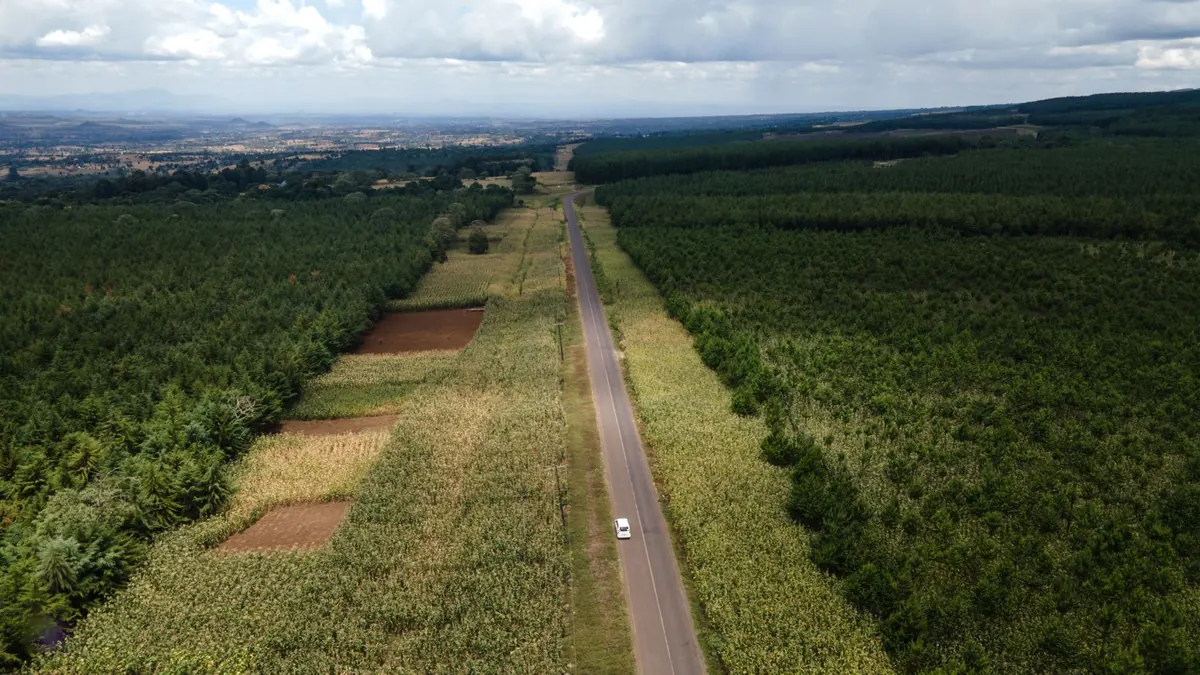
Every chip has a journey. Before it reaches your plate in Dar es Salaam, it was a potato growing in cool, misty hills hundreds of kilometres away, planted by a farmer who watched the rain and the sky for months. Where potatoes grow, and how, decides a lot about the chips you eat. Here is the story behind them.
Supa Fries are cut from potatoes grown in the Southern Highlands. Here is why that matters for the fries on your plate.
Where are potatoes grown in Tanzania?
| Area | Regions | Why it suits potatoes |
|---|---|---|
| Southern Highlands | Njombe, Mbeya, Iringa, Songwe | High altitude, cool nights, good rainfall |
| Northern highlands | Arusha, Kilimanjaro, Manyara | Volcanic soils on mountain slopes |
| Usambara mountains | Lushoto (Tanga) | Cool, wet highland climate |
Njombe Region in particular is known for farming at high altitude, with cool weather for much of the year.
Why do potatoes grow better in the highlands?
The potato comes from the Andes mountains of South America, and it still prefers mountain weather. Cool nights help the plant store starch in the tubers instead of using it up. In hot lowland weather, plants struggle, tubers stay small and pests spread more easily. The International Potato Center (CIP) works with farmers across East Africa on better varieties and clean seed.
What makes a potato good for fries?
- High dry matter. More starch and less water means a fluffy inside and a crisp outside.
- Low sugar. Sugar browns fast in hot oil. Low-sugar potatoes fry to an even golden colour instead of patchy dark brown.
- Long, regular shape. Long potatoes give long fries with less waste.
- Firm and undamaged. Bruises and green patches must be cut away. Green skin should not be eaten.

Cut from Southern Highlands potatoes and frozen in Dar es Salaam. Supporting local farmers and local jobs.
Order on WhatsAppWhy do some potatoes make dark, soggy chips?
Usually because of sugar or water. Potatoes stored too cold turn some starch into sugar, which makes chips brown too fast and taste slightly sweet. Freshly harvested, immature or watery potatoes give soft chips. This is one reason fresh-cut chips vary from week to week, while frozen fries are made from selected potatoes to a set standard. Read frozen fries vs fresh-cut chips for the full comparison.
Why buy fries made from Tanzanian potatoes?
- Shorter supply chain: fries travel from Tanzanian farms, not across oceans, so supply is closer to the customers who depend on it.
- Local jobs: farming, processing, transport and sales all happen in Tanzania.
- Reliable supply: fewer delays from shipping and import costs.
Want to try it yourself? See how to make frozen fries at home, or read more about Supa Fries.
How are potatoes grown in Tanzania?
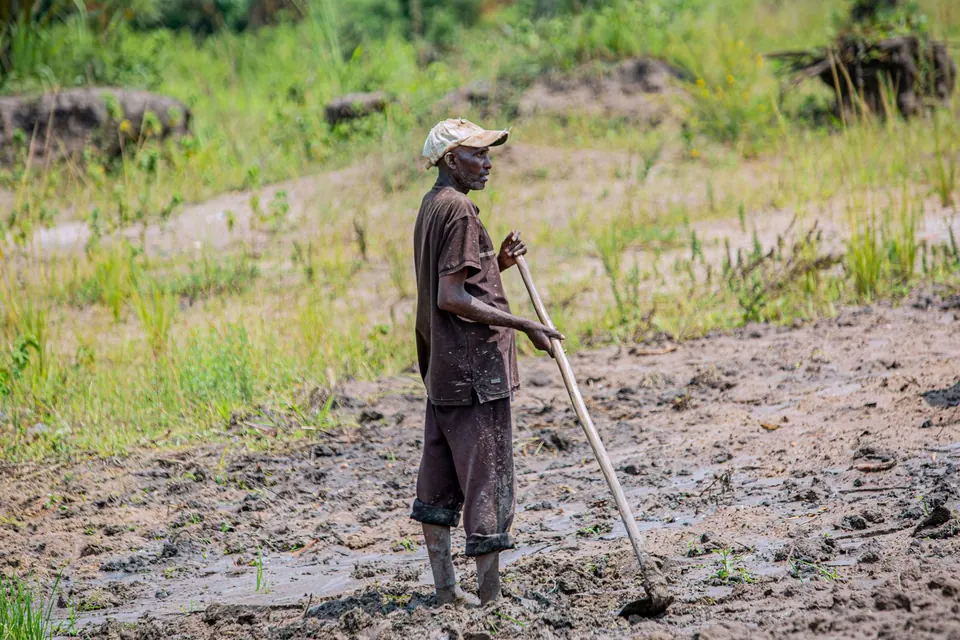
Potatoes are grown from "seed potatoes": small tubers saved or bought for planting, rather than true seeds. Farmers plant them in ridges or mounds, earth them up as the plants grow, and harvest about three to four months later, depending on the variety and the weather. In the highlands, many farmers grow more than one crop a year, timed to the rains, and some use irrigation in the dry season.
Clean, healthy seed potatoes are one of the biggest factors in a good harvest. Diseases like late blight and bacterial wilt can spread through infected seed and soil, which is why programmes in East Africa work on certified seed and better farming practices.
What challenges do potato farmers face?
- Disease: late blight, especially in wet seasons, can destroy a crop quickly.
- Seed quality: replanting the same seed for years spreads disease and lowers yields.
- Weather: too much or too little rain at the wrong time affects both size and quality.
- Storage: potatoes rot or sprout if stored warm and damp, so farmers often have to sell quickly at harvest, when prices are lowest.
- Transport: moving heavy sacks from rural farms to cities costs money, and rough roads bruise potatoes.
- Price swings: prices rise and fall a lot between seasons.
Steady buyers help farmers plan. When a buyer agrees to take potatoes regularly, farmers can invest in better seed and inputs with more confidence.

How do you choose good potatoes at the market?
| Look for | Avoid |
|---|---|
| Firm, heavy potatoes | Soft or wrinkled ones |
| Smooth skin with few eyes | Many sprouts or deep eyes |
| Even size in the sack | Very mixed sizes (more waste) |
| Clean, dry skin | Wet, muddy or smelly sacks |
| Natural colour | Green patches (do not eat) |
Store raw potatoes in a cool, dark, airy place, away from onions and sunlight. Light turns them green. If you have more than you can use, you can make frozen fries at home.
How nutritious are potatoes?
Potatoes are a good source of energy, vitamin C, potassium and vitamin B6, and they contain fibre, especially in the skin. A medium potato has almost no fat; how you cook it decides how much fat ends up on your plate. Boiled, baked and air-fried potatoes are the lighter options. The Harvard T.H. Chan School of Public Health has a good overview. For chips specifically, read are frozen fries healthy? and chips vs rice vs ugali.
Why does local potato demand matter for Tanzania?
As cities grow, more people eat out and buy convenient food. Every plate of chips sold in Dar es Salaam, Arusha or Mwanza is a chance for that value to stay in Tanzania, with farmers, transporters, food businesses and shops, rather than going to imports. Buying locally grown and locally made food supports that chain. Learn how Supa Fries fits in at frozen fries made in Tanzania.
Are there different potato varieties in Tanzania?
Yes. Farmers grow several varieties, chosen for yield, disease resistance, cooking quality and what buyers pay for. Some have red skin, some white or yellow; some are better for boiling and stews, others for frying. Research bodies and seed producers in East Africa continue to release improved varieties with better resistance to disease and higher yields. For chips, buyers look for varieties with high dry matter and low sugar, so the fries turn out crisp and golden rather than soft and dark.
Are potatoes available all year?
Mostly, but supply and price change through the year. Harvests follow the rains, so there are times when potatoes are plentiful and cheap, and other times when they are scarce and expensive. Quality also varies: fresh harvest potatoes can be more watery, and stored potatoes may sprout. This is one of the reasons businesses value frozen fries: the price and quality stay steadier through the year. Read frozen fries vs fresh-cut chips.
How is climate change affecting potato farming?
Potatoes are sensitive to heat and to changes in rainfall. Warmer temperatures and less predictable rains can reduce yields, increase disease pressure and push suitable growing areas to higher altitudes. Farmers and researchers are responding with better-adapted varieties, improved seed, water management and more careful planting times. Steady demand from buyers helps farmers afford these investments. Learn more about global work on potatoes and climate at the International Potato Center.
Next time you eat a plate of chips in Dar es Salaam, Arusha or Mwanza, remember the journey behind it: a farmer in the cool highlands, a truck on the long road east, and a kitchen that turned those potatoes into something golden. Choosing Tanzanian-grown food keeps that journey, and its value, at home.
In short
Most of Tanzania's Irish potatoes (viazi mviringo) are grown in the cool highland regions, especially the Southern Highlands of Njombe, Mbeya and Iringa, with more grown in the northern highlands around Arusha, Kilimanjaro and Lushoto. Potatoes grow best in cool temperatures, at higher altitude, with steady rain and well-drained soil, which is exactly what these regions offer.
- Most of Tanzania's Irish potatoes grow in the cool highlands, especially Njombe, Mbeya and Iringa.
- Cool weather helps potatoes build the starch that makes good fries.
- Good frying potatoes have high dry matter and low sugar.
- Farmers face challenges with disease, seed quality, storage and prices.
- Buying Tanzanian-grown, Tanzanian-made fries supports local farmers and jobs.
Frequently asked questions
Where are Irish potatoes grown in Tanzania?
Mainly in the Southern Highlands (Njombe, Mbeya, Iringa and Songwe) and the northern highlands (Arusha, Kilimanjaro, Manyara), plus Lushoto in the Usambara mountains.
What is the Swahili word for Irish potatoes?
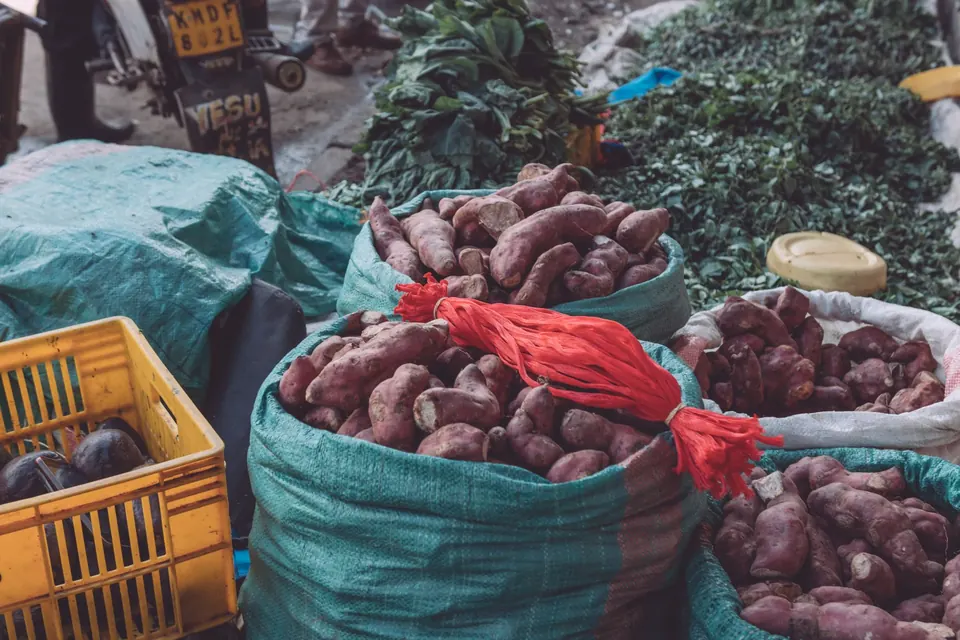
Viazi mviringo. Sweet potatoes are viazi vitamu.
Why are highland potatoes better for fries?
Cool highland weather helps potatoes build up starch and dry matter, which gives fries a fluffy inside and a crisp, golden outside.
Where do Supa Fries potatoes come from?
Supa Fries are cut from potatoes grown in Tanzania's Southern Highlands, then prepared and frozen in Dar es Salaam.
How long do potatoes take to grow?
Usually about three to four months from planting to harvest, depending on the variety and the weather.
Why do potatoes turn green?
Exposure to light. Green parts contain natural compounds that can cause stomach upset, so cut them away or throw very green potatoes out.
How should I store raw potatoes?
In a cool, dark, dry and airy place, away from sunlight and onions.
Why do potato prices change through the year?
Harvests follow the rains, so supply rises and falls. When supply is high prices drop, and when it is low they rise.
Does climate change affect potatoes in Tanzania?
Yes. Potatoes are sensitive to heat and rainfall changes, which can lower yields and increase disease. Better varieties and farming practices help.
Get Supa Fries delivered
Found this useful? Share it.