Customers rarely say it out loud, but they are always watching: the hands that touch their food, the colour of the oil, the cloth on the counter. One bad experience and they never come back. Customers come back to a stall they trust, and that trust is what keeps a chips spot busy for years.
Customers judge a chips spot by what they can see. A clean counter, clean hands and fresh oil build trust and bring people back.
What are the 10 food safety rules for chips vendors?
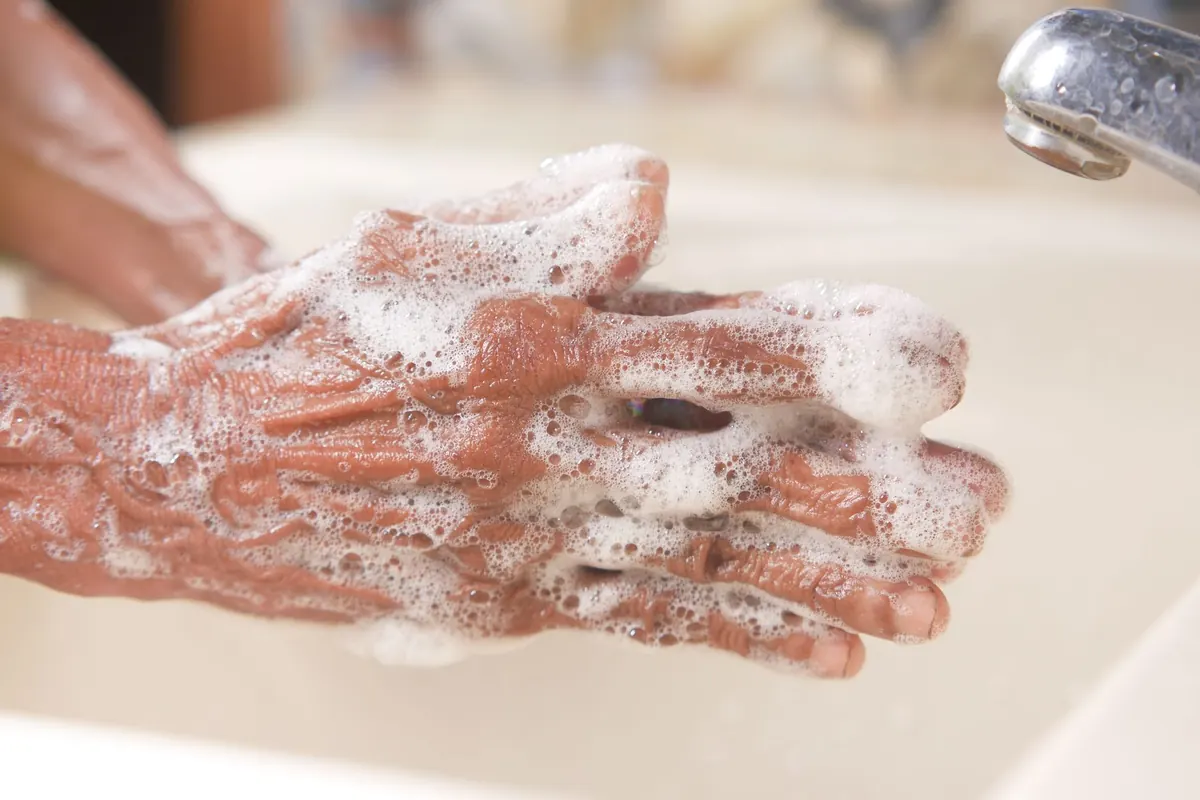
1. Wash hands, often
With soap and clean water, for at least 20 seconds: before cooking, after handling raw chicken or eggs, after touching money, and after the toilet. Set up a hand-washing station with soap if there is no sink.
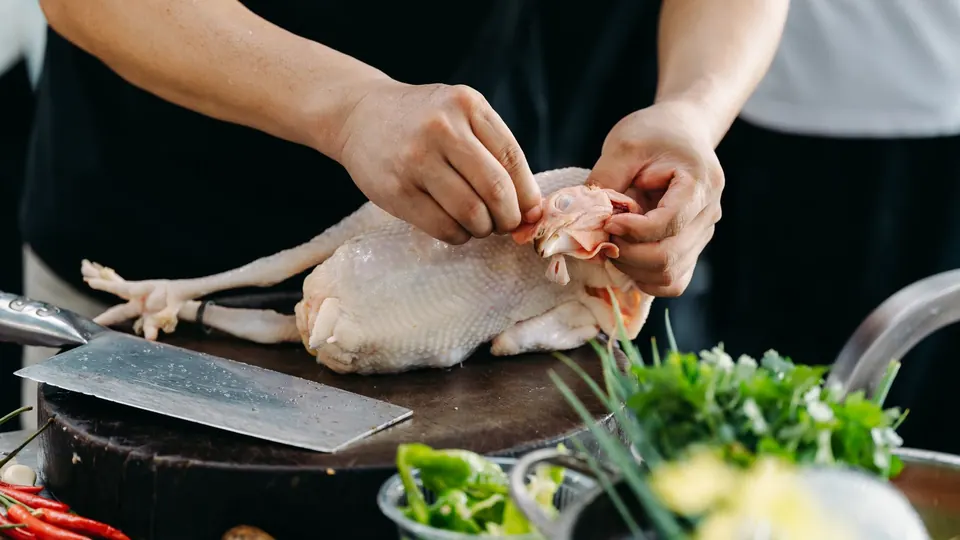
2. Keep raw chicken separate
Use separate boards, knives and containers for raw chicken. Never put cooked chips kuku back on a plate that held raw chicken.
3. Cook chicken thoroughly
Chicken must reach 74°C in the thickest part, with clear juices and no pink near the bone. See our chips kuku recipe.
4. Cook eggs fully
For chipsi mayai, cook until the egg is set. Store eggs somewhere cool, and do not use cracked or dirty eggs.
5. Keep frozen food frozen
Keep your freezer at −18°C or colder and check it daily with a thermometer. Do not refreeze fries or chicken that have thawed. Read how to store frozen fries and our chest freezer guide.
6. Use safe water
Use treated or boiled water for washing vegetables for kachumbari, making drinks and cleaning surfaces.
Frozen fries arrive washed, peeled and cut, so there is no peeling waste and less handling in your kitchen.
Order on WhatsApp7. Change oil before it breaks down
Dark, foaming or smoking oil gives bad-tasting chips and is a fire risk. See how often to change frying oil.
8. Keep pests out
Store food in closed containers off the floor, clear rubbish every day and cover food on display.
9. Protect food on display
Cover cooked food and sauces, and serve with tongs or scoops, not hands. Fry chips to order so they are hot and fresh.
10. Be ready for oil fires
Never pour water on burning oil: it makes the fire explode. Turn off the heat, cover the fryer with a lid or fire blanket, and use a suitable extinguisher. Keep the fryer away from where customers stand.
Do chips vendors need a health certificate?
Local rules vary. Many councils require food handlers to have a medical check and the premises to meet hygiene standards before a business licence is issued. Ask your municipal council what applies to you. The Tanzania Bureau of Standards (TBS) oversees food safety standards nationally. Our guide on how to start a chips business covers registration steps.
What should a daily food safety checklist include?
| When | Check |
|---|---|
| Opening | Freezer at −18°C, soap and water ready, surfaces clean |
| During service | Raw and cooked kept apart, oil at 175°C, hands washed after money |
| Closing | Oil filtered and covered, leftovers discarded, rubbish removed, floor cleaned |
What temperatures should every vendor know?
| What | Temperature |
|---|---|
| Freezer | −18°C or colder |
| Fridge | 5°C or colder |
| Frying oil for chips | 175°C |
| Cooked chicken (thickest part) | 74°C or hotter |
| Hot holding of cooked food | 63°C or hotter |
| "Danger zone" where bacteria grow fast | Between about 5°C and 60°C |
A cheap probe thermometer is one of the best investments a food business can make. It takes the guessing out of chicken, oil and freezers. See the USDA safe temperature chart.
How do you train staff on food safety?
- Show, don't just tell. Demonstrate hand washing, board colours and thermometer checks.
- Put simple signs up: "Wash hands", "Raw chicken only", "Oil 175°C".
- Give each person a clear job: one handles raw food and one handles cooked food during rushes, where possible.
- Keep staff home when sick, especially with stomach illness.
- Check daily and praise good habits.
What cleaning routine keeps a chips spot safe?
- Clean as you go: wipe spills immediately, especially oil on the floor.
- Wash, rinse, sanitise: boards, knives and surfaces after raw chicken.
- Use separate cloths for raw and cooked areas, and wash them daily.
- End of day: clean the fryer area, grills, counters and floor, and remove rubbish.
- Weekly: clean the freezer handles and seals, shelves and storage containers.
Why do frozen fries reduce food safety risks?
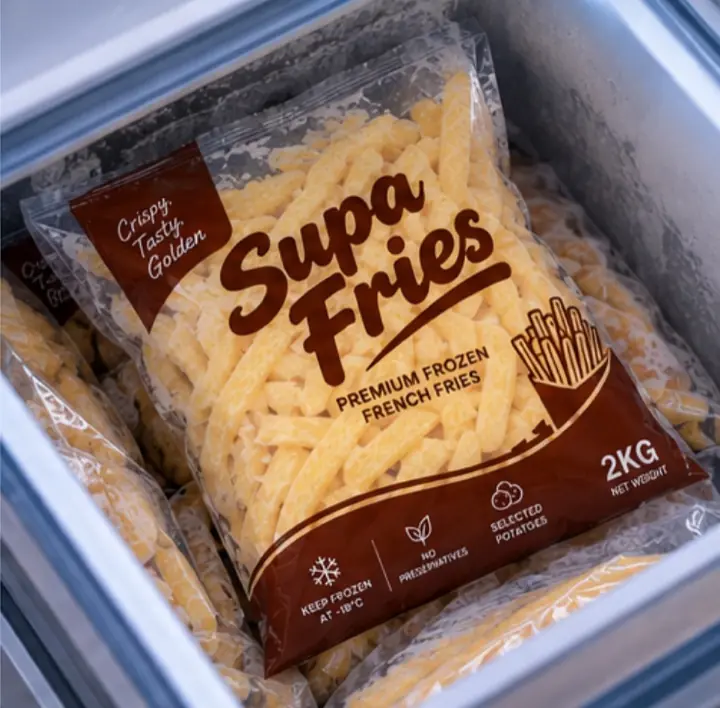
Raw potatoes arrive with soil and need peeling, cutting and soaking, usually in big batches early in the morning. That means more handling, more water use, more waste to dispose of, and cut potatoes sitting at room temperature for hours. Frozen fries skip all of that: they go straight from a sealed pack into hot oil. Less handling means fewer chances for contamination, and nothing sits out waiting. Read frozen fries vs fresh-cut chips.
How do you show customers your kitchen is safe?
- Keep the cooking area visible and tidy.
- Wear clean aprons and keep hair tied back or covered.
- Use tongs and scoops, never bare hands, for cooked food.
- Keep sauces in covered bottles or small pots.
- Display your business licence.
- Change oil before it looks dark. Customers notice.
Trust brings people back. For more ways to build a loyal customer base, see 8 ways to sell more chips.
What should you do if a customer complains of illness?
Take it seriously and stay calm. Write down what they ate, when, and their contact details. Check your records for that day: freezer temperatures, chicken cooking, staff illness. Throw away any suspect food. If several people report illness, contact your local health office for advice. Reviewing what happened and fixing the cause protects your customers and your business.
What about drinks, ice and water?
Many chips spots also sell drinks. Use sealed bottled drinks where possible, keep cool boxes clean, and only use ice made from safe water. Ice from an unknown source can carry germs straight into a customer's glass. If you make juices, wash fruit in safe water and keep the juice cold and covered. These details matter as much as the food itself.
How should eggs be handled safely?
Eggs are central to chipsi mayai, so they deserve care. Buy eggs from a reliable supplier, check that shells are clean and not cracked, and store them in a cool place, ideally a fridge. Do not wash eggs until just before use, because washing can let germs pass through the shell. Crack eggs into a separate bowl rather than straight into the pan, so you can spot bad eggs and shell pieces. Wash hands after handling raw eggs. Cook eggs until they are set, and do not leave cracked raw eggs standing in a bowl for long periods during service. Use a clean bowl for each new batch.
How should waste and used oil be handled?
Keep a covered bin for food waste and empty it at least daily, away from the food preparation area. Do not pour used oil into drains, where it blocks pipes and attracts pests. Let it cool, store it in sealed containers, and dispose of it with your rubbish or through a collector who recycles cooking oil. Clean the area around bins regularly. Good waste handling keeps flies, rats and smells away from your kitchen. Read more in how often to change frying oil.
In short
The most important food safety rules for chips vendors are: wash hands often, keep raw chicken away from cooked food, cook chicken and eggs thoroughly, keep frozen stock at −18°C, use clean water, change oil before it breaks down, and keep a fire blanket next to the fryer. These follow the World Health Organization's Five Keys to Safer Food: keep clean, separate raw and cooked, cook thoroughly, keep food at safe temperatures, and use safe water and raw materials.
- Wash hands often, especially after raw chicken, eggs and money.
- Keep raw and cooked food apart, with separate boards and utensils.
- Cook chicken to 74°C and eggs until set.
- Keep frozen stock at −18°C and never refreeze thawed food.
- Change oil before it breaks down, and never use water on an oil fire.
- A thermometer and a daily checklist make good habits easy.
Frequently asked questions
What are the five keys to safer food?
The WHO's five keys are: keep clean, separate raw and cooked food, cook thoroughly, keep food at safe temperatures, and use safe water and raw materials.
What temperature should frozen fries be stored at?
At −18°C or colder. Check the freezer daily with a thermometer.
How do you put out an oil fire in a fryer?
Turn off the heat, cover the fryer with a lid or fire blanket, and use a suitable fire extinguisher. Never use water on burning oil.
Can I refreeze fries that have thawed?
No. Cook thawed fries the same day. Refreezing affects safety and makes them soft and icy.
What is the food temperature danger zone?
Roughly between 5°C and 60°C, where bacteria grow fastest. Keep cold food cold, hot food hot, and do not leave food in between for more than 2 hours.
Do I need a thermometer for a chips business?
Yes. A probe thermometer lets you check chicken (74°C), oil (175°C) and fridges and freezers quickly and accurately.
How should I store raw chicken in a small kitchen?
In a covered container at the bottom of the fridge or freezer, below cooked and ready-to-eat food, so juices cannot drip onto them.
Should I wash eggs before storing them?
No. Store them unwashed in a cool place and only wash them, if needed, just before use.
Get Supa Fries delivered
Found this useful? Share it.