
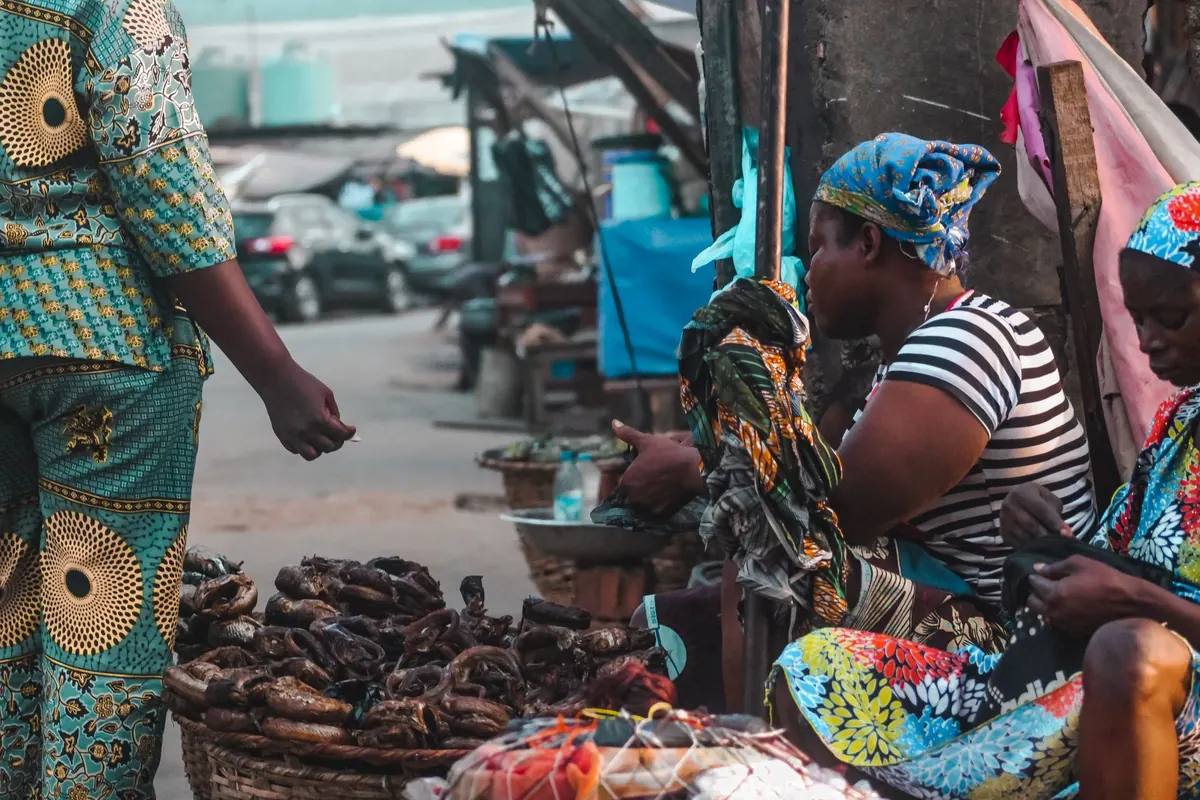
Maybe you have watched a chips spot near your home with a queue every evening and thought, I could do that. You are not alone. A chips business is one of the most popular small businesses in Tanzania, and for good reason. But the spots that last are not the ones with the biggest signboard. They are the ones that plan well from day one.
Chips are one of the most popular street foods in Tanzania, so demand is there. What separates a profitable chips spot from a struggling one is consistency, speed and cost control. These nine steps will help you plan.
Step 1: Who are your customers and where will you sell?
Look for steady foot traffic at the times people eat: near offices at lunch, near colleges, bus stands, markets and busy residential streets in the evening. Count how many people pass at lunchtime and after work, and look at what nearby food spots sell and charge.
Step 2: What should be on your menu?
Start with a short menu you can serve fast and well. Most successful chips spots start with:
- Plain chips with kachumbari and sauces
- Chipsi mayai
- Chips kuku (chips with chicken)
- Chips mishkaki or sausage, once you are settled
Step 3: How do you register a chips business?
Requirements depend on your size and location, so confirm with your municipal council before you start. Most food businesses need:
- Business name registration with BRELA (Business Registrations and Licensing Agency).
- A TIN (Taxpayer Identification Number) from the Tanzania Revenue Authority.
- A business licence from your municipal or district council.
- Health requirements for food premises and food handlers, as set by your local authority and food safety regulations.

Step 4: What equipment do you need?
| Item | Why you need it |
|---|---|
| Deep fryer (gas or electric) with thermostat | Steady 175°C oil means consistent chips. See our deep fryer buying guide |
| Chest freezer | Stores frozen fries and chicken. See our chest freezer guide |
| Frying pan or flat grill | For chipsi mayai |
| Draining rack, scoops and tongs | Less oil on each plate |
| Fire blanket or fire extinguisher | Oil fires cannot be put out with water |
| Hand-washing station | Food safety and customer trust |
Step 5: Fresh potatoes or frozen fries?
Fresh potatoes look cheaper per kilo, but you lose 20 to 30 percent to peeling and trimming, plus the time and labour to peel, cut and soak every morning. Frozen fries cost more per kilo but every gram is usable, every chip is the same size, and you can start serving in minutes. Our frozen vs fresh comparison works through the numbers.

Bulk orders from 15 kg with weekly or biweekly delivery in Dar es Salaam and invoicing on request.
Ask for wholesale pricesStep 6: How should you price a plate of chips?
Work out your cost per plate first: fries, oil, egg or chicken, salad, sauce, packaging and gas or electricity. Then add your share of rent, wages and licences. Most food businesses aim for food costs of about 30 to 35 percent of the selling price. Our guide to calculating chips cost per plate shows the formula step by step.
Step 7: How do you keep food safe?
Customers come back when they trust your kitchen. Keep raw chicken away from cooked food, wash hands often, keep the freezer at −18°C and change oil before it goes dark. Our food safety checklist for chips vendors covers the essentials.

Step 8: How do you get your first customers?
- Open with an offer, such as a free soda with chipsi mayai in the first week.
- Post photos on Instagram, TikTok and WhatsApp Status every day.
- Take orders on WhatsApp from nearby offices and deliver at lunchtime.
- Be consistent. Same taste, same portion, same time every day.
Step 9: How do you grow?
Once you have regulars, add combos, a second fryer, delivery, or catering for events. Our tips on selling more chips and catering with fries are good next reads.
What should you budget for before opening?
Prices vary by town and supplier, so build your own list with real quotes. The table shows the main items most chips businesses need to price before opening.
| Cost | One-off or ongoing | Notes |
|---|---|---|
| Deep fryer and pans | One-off | The most important equipment purchase |
| Chest freezer | One-off | Plus a voltage protector |
| Stand, counter or premises setup | One-off | Shade, seating, lighting |
| Registration and licences | One-off and yearly | Business name, TIN, council licence |
| Rent | Monthly | Often paid months in advance |
| Stock: fries, eggs, chicken, oil, packaging | Weekly | Start small and grow with sales |
| Gas or electricity | Weekly or monthly | Fryers use a lot of energy |
| Staff | Weekly or monthly | Even one helper changes how much you can serve |
| Cash reserve | One-off | To cover slow first weeks |
What does a typical day at a chips spot look like?
- Morning: check freezer temperature, clean the area, set up the fryer, prepare kachumbari and sauces.
- Before lunch: heat oil to 175°C, lay out boxes and plates, confirm WhatsApp orders.
- Lunch rush: fry to order in small batches, keep raw and cooked food apart, serve fast.
- Afternoon: turn the fryer down, restock, count cash and mobile money.
- Evening rush: the second busy period at many spots, especially for chipsi mayai and chips kuku.
- Closing: filter oil, clean the fryer and surfaces, record sales and stock used.
Frozen fries make this day shorter: there is no early morning peeling, cutting and soaking, and nothing to throw away at night because you only cook what you sell.
What mistakes do new chips businesses make?
- Choosing a cheap location with no foot traffic. Rent is lower, but so are sales.
- Too big a menu. Ten dishes done badly lose to three done well.
- Inconsistent portions. Customers notice, and costs swing.
- Old oil. The fastest way to lose regulars. See how often to change frying oil.
- Not tracking money. Mixing business and personal cash hides whether you are making a profit.
- Running out of stock at the busiest time. A delivery schedule fixes this.
How should you track sales and profit?
Keep a simple daily record in a notebook or a spreadsheet on your phone: plates sold by dish, cash and mobile money received, stock bought, and expenses. At the end of each week, compare sales with costs. If profit is falling, check portion sizes, oil use and waste first. Keeping your business money in a separate mobile money wallet or bank account makes this much easier. The Tanzania Revenue Authority also expects businesses to keep records for tax.
How do you choose reliable suppliers?
Your supply of fries, oil, eggs and chicken decides whether you can open every day. Look for suppliers who deliver on a schedule, keep consistent quality, give clear prices and answer quickly. For frozen fries, ask about cut size, storage, delivery days and minimum order. Our checklist on how to choose the best frozen fries for your restaurant lists the questions to ask, and why restaurants choose Supa Fries explains how our wholesale supply works.
Start small, stay consistent and grow from repeat customers. When you are ready to stock up, message us for wholesale pricing.
When you are ready to buy stock, wholesale fries save you hours of peeling and cutting every morning. Supa Fries supplies straight cut frozen fries in bulk from 15 kg, delivered in Dar es Salaam; ask for wholesale pricing.
In short
To start a chips business in Tanzania, choose a busy location, register your business, get a local business licence, buy a reliable deep fryer and freezer, find a steady potato or frozen fries supplier, and price each plate so it covers food, oil, packaging and rent. A small chips spot can start with one fryer, one chest freezer and a short menu: chips, chipsi mayai and chips kuku.
- Location and consistency matter more than a big menu.
- Register, get a TIN and a council licence before opening.
- Invest in a fryer with a thermostat and a reliable freezer.
- Know your cost per plate and track sales weekly.
Frequently asked questions
How much capital do I need to start a chips business in Tanzania?
It depends on whether you rent a premises, and on the fryer and freezer you buy. Price a deep fryer, chest freezer, utensils, first stock, licences and one month of rent before you start, and keep some money aside for slow early weeks.
Is a chips business profitable in Tanzania?
It can be. Chips are in steady demand. Profit depends on controlling your cost per plate, oil use and waste, and on a location with enough customers.
Do I need a licence to sell chips?
Yes. Most food businesses need a business licence from the local council, and must meet local food safety and health requirements. Check with your municipal council for what applies to you.
Should I use fresh potatoes or frozen fries for my chips business?
Frozen fries save peeling time, reduce waste and give the same result every time. Fresh potatoes can be cheaper per kilo but take more labour and vary in quality. Many businesses switch to frozen as they get busier.
What is the best deep fryer for a chips business?
A deep fryer with a thermostat and enough capacity for your busiest hour. Gas fryers suit areas with frequent power cuts; electric fryers are easier to control.
Where is the best place to open a chips business?
Somewhere with steady foot traffic at meal times: near offices, colleges, bus stands, markets and busy residential streets in the evening.
How many staff do I need for a small chips spot?
Many start with the owner and one helper: one person cooks while the other serves, takes payment and handles WhatsApp orders.
Can I run a chips business from home?
Some people sell to neighbours and nearby offices by WhatsApp from home. Check with your local council about licences, and follow the same food safety rules as a shop.
Start your chips business with Supa Fries
Found this useful? Share it.