
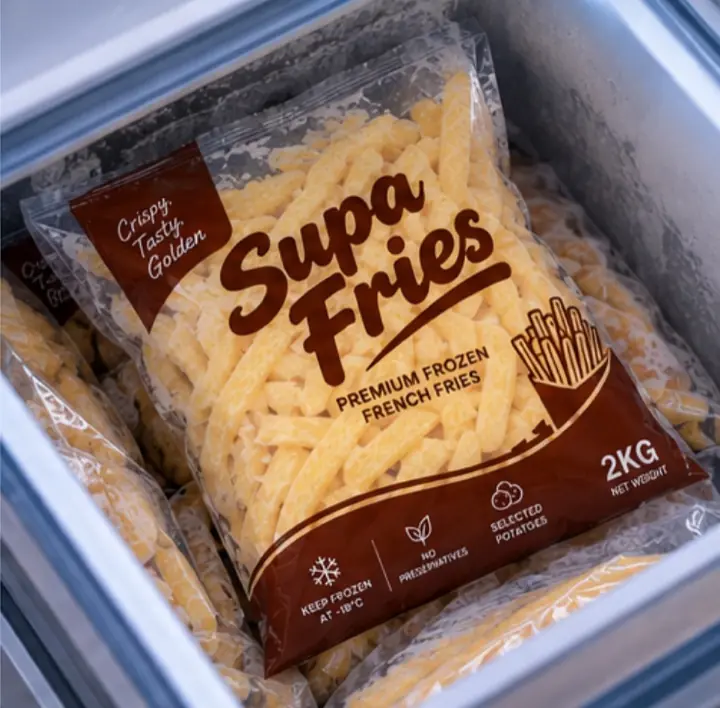
It was 7pm on a Saturday when Halima's cook came out of the kitchen and said the words every restaurant owner dreads: "Fries zimekwisha." The fries were finished. She had ordered on Monday, the same amount as always, but there had been a birthday party on Friday that was not in the plan. Half the evening's orders were chips. She sent a boda to the supermarket and paid retail prices for six packs.
Running out and over-ordering are both expensive, and both come from guessing. To plan frozen fries orders well, work out your average use per day, multiply by the days between deliveries, add a safety buffer of about 20 to 30 percent, and order up to that level. Then count stock at the same time each day, use the oldest packs first, and write it all on one simple sheet. Here is the full system.
Why do restaurants run out of fries, or waste them?
Usually because orders are based on habit rather than numbers. Sales change with paydays, holidays, weather, football matches and events, but the order stays the same. The other cause is no daily count, so stock runs low without anyone noticing until the last pack is opened. On the other side, ordering too much fills the freezer, ties up cash and leaves packs at the bottom long enough to get freezer burn. Our guide on how to store frozen fries explains what happens to old stock.
Step 1: How do you work out your daily use?
Count how many packs you use each day for two weeks. If you do not have records, count stock every morning and subtract: yesterday's count, plus deliveries, minus today's count. Write it down. After two weeks, you will see a pattern. Most restaurants find weekdays are steady and weekends are 30 to 60 percent busier.
If you know your plates instead of packs, convert them. A 2 kg pack of frozen fries gives roughly 8 to 10 restaurant portions, depending on your portion size. Our portion size guide and 2 kg pack guide have the numbers.
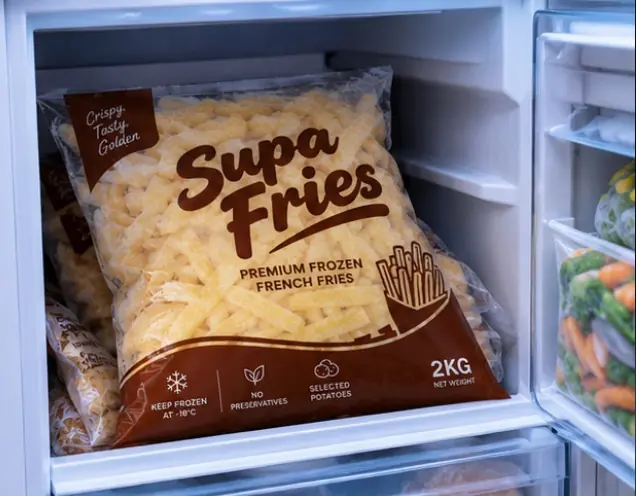
Step 2: How much should you order each time?
Use this simple formula:
Order up to = (average packs per day x days until next delivery) + safety buffer
Then subtract what you already have. Here is an example for a restaurant that gets deliveries twice a week:
| Item | Example |
|---|---|
| Average use | 6 packs per day |
| Days until next delivery | 4 days (Monday to Thursday) |
| Expected use | 6 x 4 = 24 packs |
| Safety buffer (25%) | 6 packs |
| Order up to | 30 packs |
| Already in freezer | 8 packs |
| Order now | 22 packs |
For the Thursday to Monday stretch, which includes the weekend, use your weekend average instead. If you know a big event is coming, add it on top.
Step 3: When should you order?
Set a reorder point: the number of packs at which you must place an order. It equals your use during the supplier's lead time plus the buffer. If your supplier delivers the day after you order and you use 6 packs a day, your reorder point might be 10 to 12 packs. When the morning count hits that number, the order goes out that day, no discussion. Pin the number to the freezer door.
Step 4: How do you rotate stock?
Use first in, first out, or FIFO. New deliveries go to the bottom or back; the oldest packs come out first. Write the delivery date on each pack or box with a marker when it arrives. In a chest freezer, use baskets or dividers so old and new stock do not mix. Frozen fries keep for up to 12 months sealed at -18°C, but quality is best when stock turns over every few weeks.
Supa Fries are made in Tanzania, so restocking is quick. Order 2 kg packs in bulk on WhatsApp and plan around fixed delivery days.
Ask for wholesale prices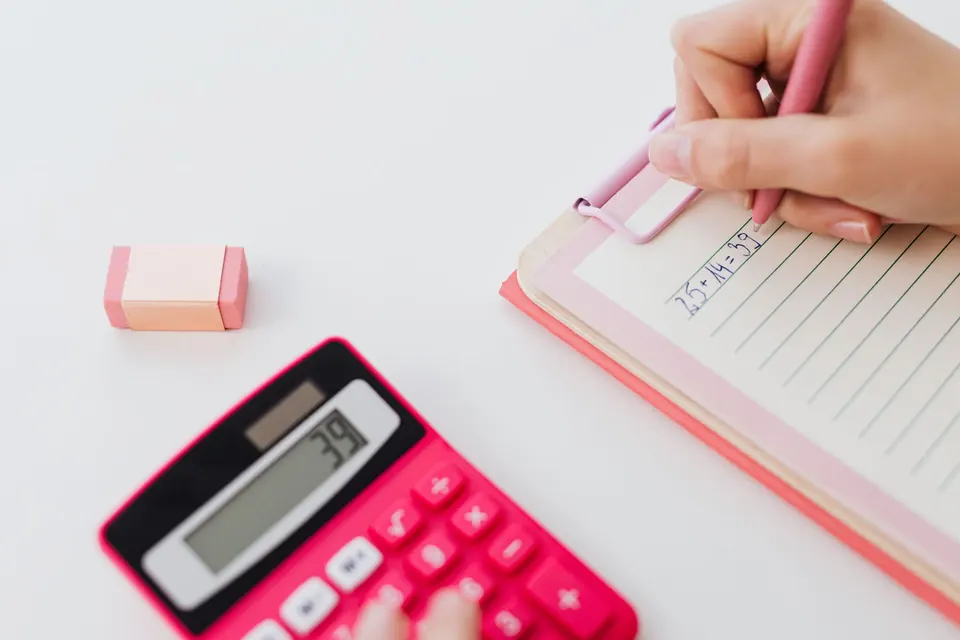
Step 5: How do you count stock quickly?
Count at the same time every day, ideally first thing in the morning before service. Count in packs, not kilos, and record it on a sheet taped near the freezer or in a WhatsApp note to yourself. It should take five minutes. A simple daily sheet looks like this:
| Date | Opening count | Delivered | Closing count | Used | Note |
|---|---|---|---|---|---|
| Mon | 8 | 22 | 24 | 6 | |
| Tue | 24 | 0 | 19 | 5 | |
| Wed | 19 | 0 | 13 | 6 | Reorder point 12 tomorrow |
The "used" column is your real consumption. After a month, it tells you exactly how much to order and which days are busiest.
Step 6: Does your freezer space fit the plan?
Check that your order-up-to level fits in the freezer with room for air to move. Overpacked freezers struggle to stay cold, especially in Dar heat. If your weekly need does not fit, ask your supplier for more frequent deliveries rather than squeezing in more stock. Our chest freezer guide explains how much a freezer holds. And keep a power cut plan; see what to do if fries thaw.

How do you stop losing stock?
Most losses come from thawing, freezer burn and packs left open. Reseal opened packs tightly or move them into a sealed container. Keep only one opened pack at the fryer at a time. Record anything thrown away, with the reason, so you can fix the cause. The FAO estimates that a large share of the world's food is lost or wasted along the supply chain, and their food loss and waste data shows how much of it happens in storage. In a restaurant, a little discipline cuts most of it. Our post on reducing food waste in restaurants has more ideas.
How do you plan for holidays and busy days?
Look back at last year if you can. In Tanzania, sales of chips usually jump around Christmas and New Year, Eid, school holidays, month-end paydays and big football matches. Mark those dates on a calendar at the start of each month and add extra packs to the order the week before, not the day before. Tell your supplier early too; they get busy at the same time you do. For one-off events like weddings or office lunches, work out the extra need using our portion guide and order it separately so it does not eat into your normal buffer.
After each busy period, compare what you ordered with what you used. If you had a lot left, cut next year's extra by a quarter. If you ran short, add more. Within a year, your calendar becomes a very accurate guide.
How should you work with your supplier?
Agree fixed order and delivery days, send orders the same way every time (a WhatsApp message with the number of packs works well), and tell your supplier early about big events or holidays. If your supplier also checks the cold chain on delivery, even better. Our guide on receiving frozen deliveries shows what to check at the door.
Halima now counts every morning and orders when the freezer hits twelve packs. When the next birthday party booked, she added ten packs to the order the week before. "I have not sent a boda to the supermarket since," she says.
In short
To plan frozen fries orders, track how many packs you use each day for two weeks, then order up to your average use multiplied by the days until the next delivery, plus a 20 to 30 percent buffer. Set a reorder point and order the same day you hit it, rotate stock first in, first out with dates on every pack, and count in packs at the same time each morning. Make sure the order fits your freezer, reseal opened packs, record waste, and tell your supplier early about events.
Frequently asked questions
How do I calculate how many frozen fries to order?
Multiply your average packs per day by the days until your next delivery, add a 20 to 30 percent buffer, then subtract what is already in the freezer.
What is a reorder point?
The stock level at which you must place an order. It equals your use during the supplier's lead time plus a safety buffer.
What does FIFO mean for frozen food?
First in, first out. Use the oldest stock first and put new deliveries at the back or bottom of the freezer.
How often should I count freezer stock?
Every day, at the same time, ideally before service. Counting in packs takes about five minutes.
How many portions are in a 2 kg pack of fries?
Roughly 8 to 10 restaurant portions, depending on portion size.
How long can I keep frozen fries in stock?
Up to 12 months sealed at -18°C, but quality is best when stock turns over every few weeks.
Put better chips on your menu
Found this useful? Share it.