
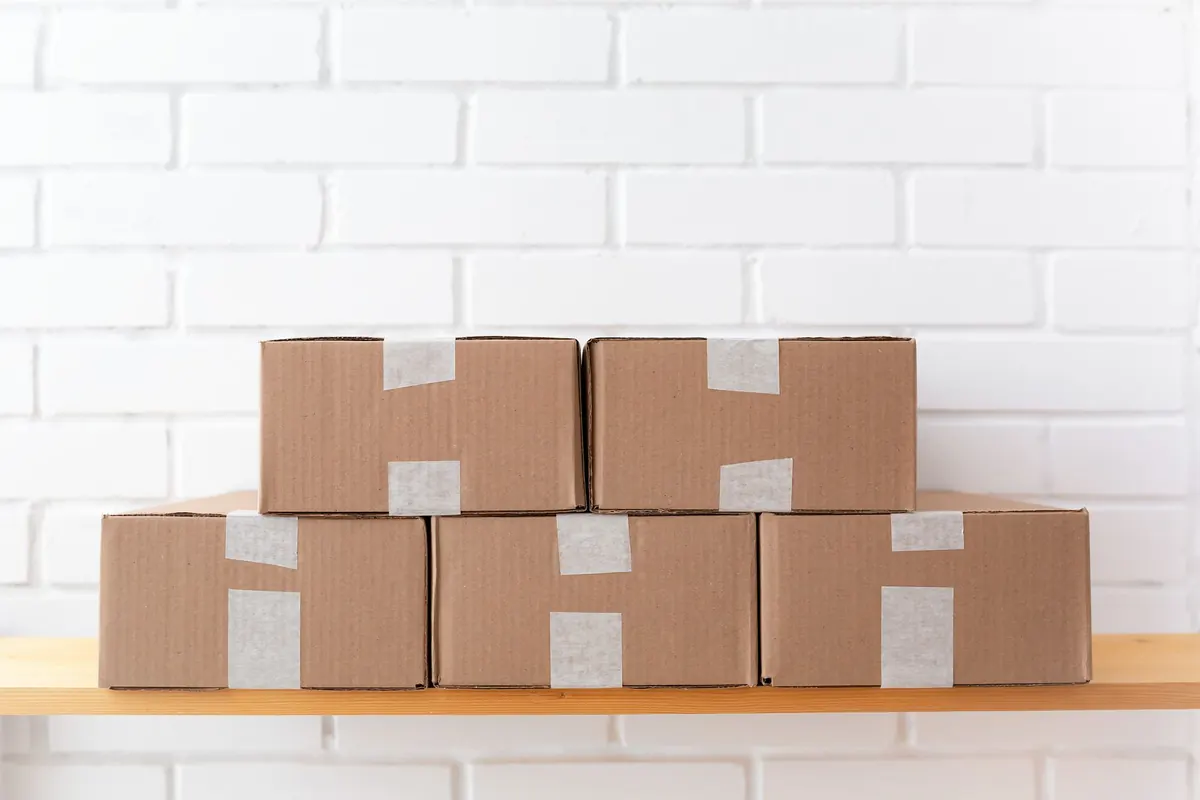
The delivery arrived at the hotel kitchen in Arusha at 11am, right in the middle of lunch prep. The driver dropped eight cartons by the back door, got a signature and left. The cartons sat there for forty minutes while the team finished a buffet. When the storekeeper finally carried them in, the outer packs were soft. Two weeks later, the fries from those cartons were coming out pale and clumped, and the kitchen could not work out why.
Most frozen food problems start at the back door. To receive frozen deliveries safely, check the temperature of the products (aim for -18°C or colder; many kitchens refuse anything warmer than about -15°C), look for signs of thawing like soft packs, frost and clumps, check dates, counts and packaging, and move everything into the freezer within 15 minutes. Here is a simple checklist your team can follow every time.
Why does the delivery step matter so much?
Frozen food is only as good as its weakest moment. The cold chain runs from the factory freezer to the truck, to the distributor, to your door and into your freezer. If the temperature rises at any point, ice crystals grow, products clump, and quality drops. For foods like meat and fish, it can also become a safety risk. Delivery is the one step you control directly, and the last chance to say no.
What should you prepare before the delivery arrives?
- Make space in the freezer before the truck comes, so stock goes straight in.
- Agree a delivery time outside your busiest hours, so someone can receive it properly.
- Name one person on each shift who is responsible for receiving.
- Keep a probe thermometer and the order list by the back door.
Our guide on planning frozen stock helps you order the right amount so it actually fits.
What is on the receiving checklist?
1. Check the vehicle
Was it a refrigerated van, or insulated boxes? Is the cargo area cold? Products that travelled in an open pickup on a hot day need a closer look.
2. Check the temperature
Put a probe thermometer between two packs in the middle of a carton (do not pierce the bags) and wait for the reading. Frozen food should be at -18°C or colder. Short rises during delivery happen, and many food safety plans accept frozen deliveries at -15°C or colder. Anything warmer, or any food that feels soft, needs a closer look and possibly rejection. The UK Food Standards Agency's guidance on chilling and freezing explains why keeping food cold all the way matters.
3. Feel and shake the packs
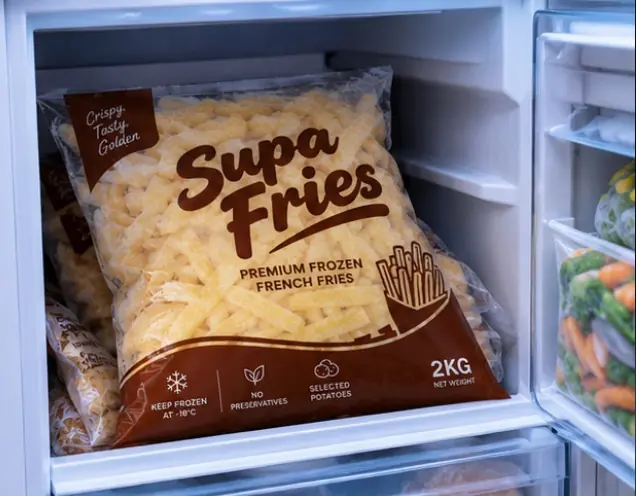
Frozen fries should be hard, and the fries should move inside the bag. A solid block, heavy frost or snow inside the pack, or wet cartons all mean it thawed and refroze at some point.
4. Check the packaging
Torn bags, crushed cartons and broken seals let in air and moisture, which leads to freezer burn. Refuse damaged packs or ask for a credit.
5. Check dates and labels
Look at best before dates and make sure you are not receiving old stock close to its date. Check that the product, brand and pack size match your order. Our frozen fries label guide explains what to look for.
6. Count against the invoice
Count cartons and packs before you sign. Write any shortages or damage on the delivery note and ask the driver to sign it too.
7. Store it fast
Move everything into the freezer within 15 minutes, oldest stock to the front or top, new stock behind or below. Write the delivery date on each carton.
What does a quick receiving card look like?
| Check | Accept | Look closer or reject |
|---|---|---|
| Temperature | -18°C or colder (many kitchens accept down to -15°C) | Warmer than -15°C, or soft to the touch |
| Feel | Hard all over, fries move freely | Soft patches, solid blocks |
| Frost | Little or none inside packs | Lots of ice or snow inside |
| Packaging | Clean, dry, sealed | Wet, torn, crushed |
| Dates | Plenty of time left | Close to or past best before |
| Count | Matches invoice | Short or wrong items |
| Time to freezer | Under 15 minutes | Left at the door |
When should you refuse a delivery?
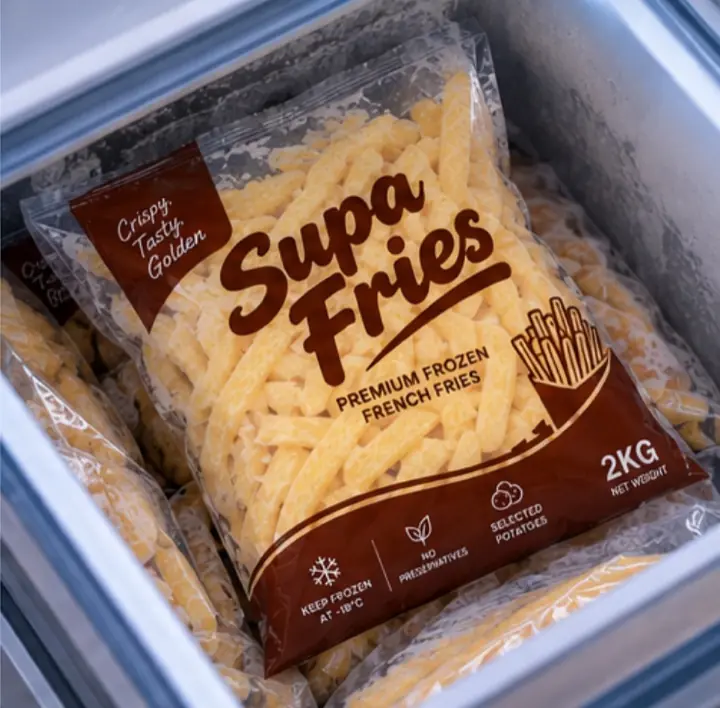
Refuse it, or the part that is affected, if products are soft or clearly thawed, if the temperature is well above your limit, if packs are torn or wet, or if dates are too close for you to use the stock in time. Do it politely and in writing on the delivery note. A good supplier will thank you for flagging it, because it tells them where their cold chain is failing. If the same problems keep happening, it is time to look at other suppliers. Our guide to frozen fries suppliers in Tanzania lists what to expect.
Supa Fries are made and delivered in Tanzania, so the trip from our freezer to yours is short. Ask about wholesale delivery on WhatsApp.
Ask for wholesale pricesWhy keep a delivery log?
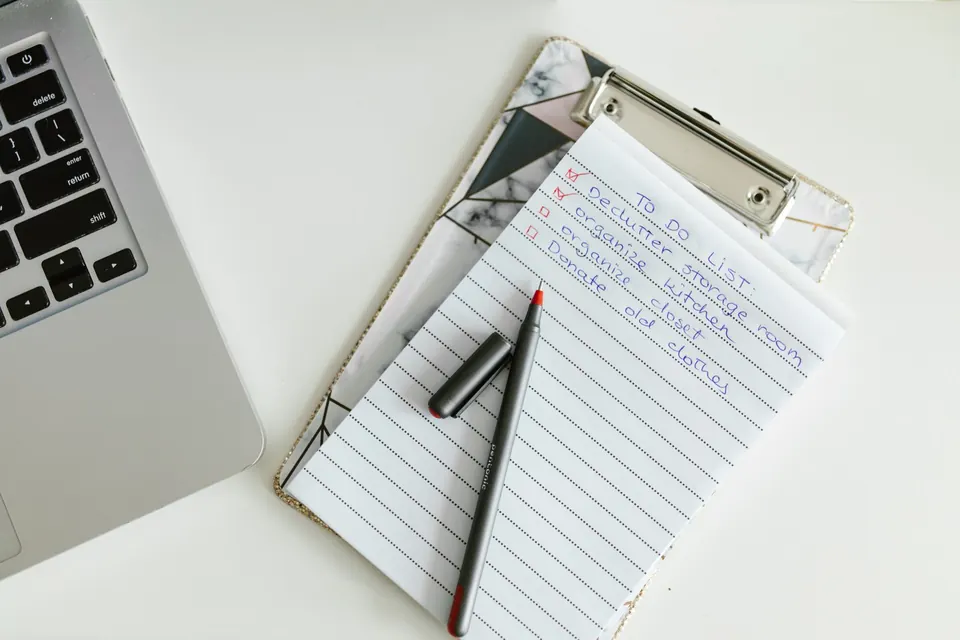
A simple log, a notebook or a sheet on the wall, protects you. Record the date, supplier, products, temperature, condition and who received it. If a health inspector asks, or a problem shows up weeks later, you can show what you checked. It also turns the routine into a habit. This idea comes from HACCP, the food safety system used by hotels and food factories worldwide, where receiving is treated as a step to check and record.
How do you train staff to receive deliveries?
Keep it simple and practical. Print the receiving card above, laminate it and stick it by the back door. Walk each new staff member through one real delivery: where the thermometer is, how to take a reading, what soft packs feel like, how to write a problem on the delivery note, and where stock goes in the freezer. Then let them do the next one while you watch. Make it clear that refusing bad stock is part of the job, not a confrontation, and that you will back them up. A storekeeper who is afraid to say no to a driver is a gap in your cold chain.
Check the log once a week. If you see the same problem from the same supplier, raise it with them directly, with dates and readings.
What about power cuts after delivery?
Do not accept a large delivery if your power is already off and you have no backup, unless your freezers are cold and you can keep them closed. A freezer full of freshly delivered stock in a long outage is the worst case. Our chest freezer guide and guide to thawed fries explain what to do. For other cold-food rules in your kitchen, see our food safety tips.
The hotel in Arusha changed one thing after that bad batch: deliveries now come at 9am, before lunch prep, and the storekeeper meets the truck with a thermometer. "The fries are the same as before," the head chef says. "The difference was forty minutes by the door."
In short
To receive frozen food safely, prepare freezer space before the truck arrives, check the vehicle and the product temperature (aim for -18°C or colder, and look closer at anything warmer than about -15°C), and feel the packs for softness, blocks and frost. Check packaging, dates and counts against the invoice, note any problems on the delivery note, and get everything into the freezer within 15 minutes, oldest stock first. Keep a simple delivery log and refuse thawed or damaged stock politely and in writing.
Frequently asked questions
What temperature should frozen food be when delivered?
Ideally -18°C or colder. Many kitchens accept deliveries at -15°C or colder, and look closer at or reject anything warmer.
How do you check the temperature of a frozen delivery?
Place a probe thermometer between two packs in the middle of a carton without piercing the bags, and wait for the reading.
How quickly should frozen food go into the freezer?
Within about 15 minutes of arriving. Never leave cartons by the door.
What are signs that frozen food has thawed?
Soft packs, fries or pieces stuck in a solid block, heavy frost or snow inside the bag, and wet cartons.
Should I refuse a delivery that has thawed?
Yes, refuse the affected stock politely and write it on the delivery note. Thawed and refrozen food cooks badly and may be a safety risk.
Do I need to keep delivery records?
It is good practice. A simple log of dates, temperatures and condition helps with inspections and problems later.
Put better chips on your menu
Found this useful? Share it.