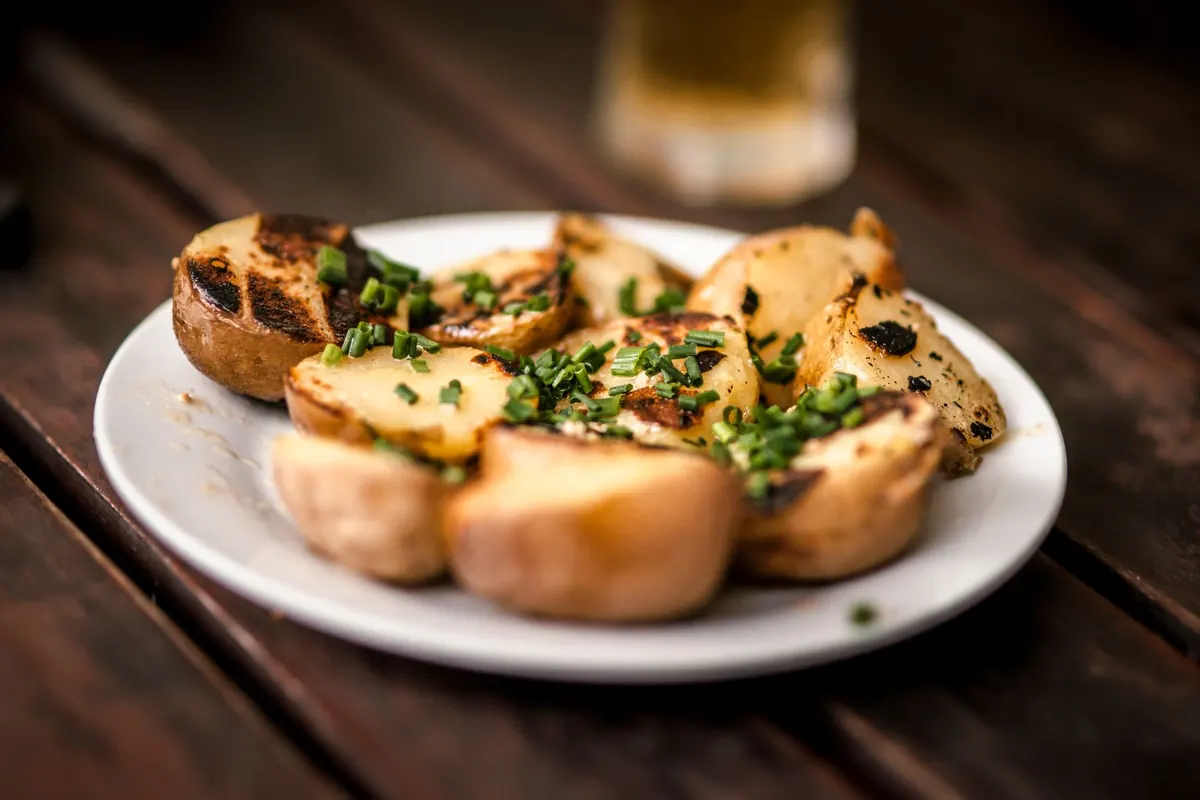
Ask a Belgian where fries come from and you will probably get a firm answer, maybe a slightly offended one. Ask a French person and you might get a different answer. Ask a Tanzanian, and they might just point to the chips spot down the road. Everyone loves fries, and almost everyone has a story about where they started.
The honest answer is that no one can say for certain who invented french fries. The two main claims come from Belgium and France, both from roughly the 1600s to the 1700s, and neither has firm written proof. What we do know is that potatoes came from South America, reached Europe in the 1500s, and that fried potato sticks became popular in Belgium, France and Britain in the 1800s before spreading across the world, including to East Africa, where chips became part of everyday food. Here is the story.
Where did potatoes come from?
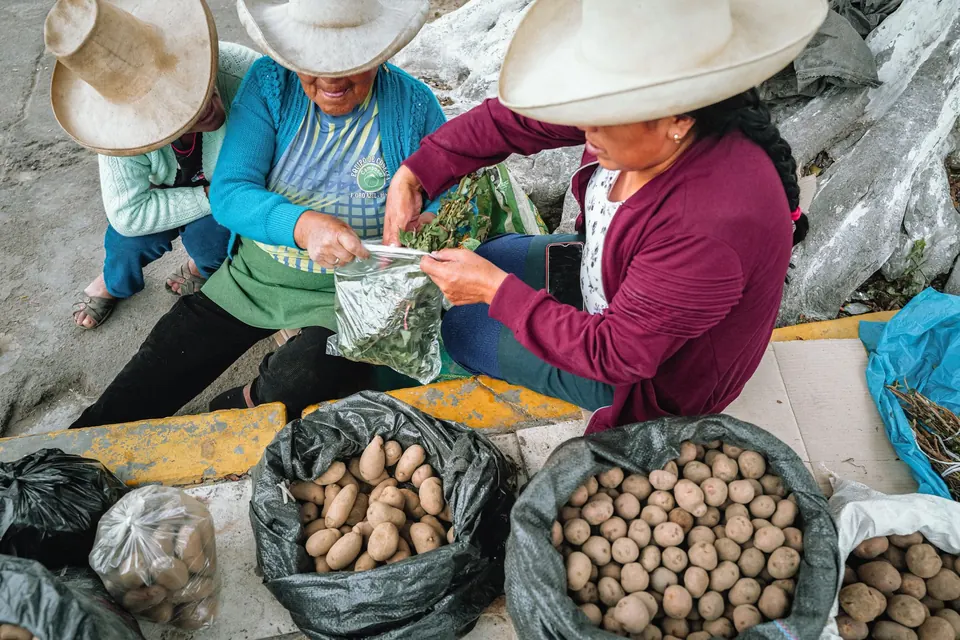
Long before anyone fried them, potatoes were farmed in the Andes mountains of South America, in what is now Peru and Bolivia, thousands of years ago. The International Potato Center in Peru still keeps thousands of potato varieties from the region. Spanish travellers brought potatoes to Europe in the 1500s. At first many Europeans were suspicious of the strange new tuber. Some thought it was only fit for animals. It took more than a century, and a few famous supporters, before potatoes became an everyday food in Europe.
What is the Belgian story?
The best-known Belgian story says that villagers in the Meuse valley, near Namur and Dinant, liked to fry small fish from the river. One very cold winter, often dated around 1680, the river froze. With no fish to catch, people cut potatoes into fish-like shapes and fried them instead.
It is a lovely story, but historians point out problems: potatoes may not have been widely grown in that part of Belgium so early, and the story was written down much later. Still, Belgium has a deep fry culture today. Fries (frites) are sold from small shops called friteries or frietkoten, usually served in a paper cone with mayonnaise, and many Belgians cook them twice for extra crunch.
What is the French story?
France's claim points to Paris in the late 1700s, when street vendors near the Pont Neuf bridge sold fried potatoes. The potato itself was promoted in France by Antoine-Augustin Parmentier, a pharmacist who had eaten potatoes as a prisoner of war and campaigned to convince French people they were good food. Parmentier did not invent fries, but his work helped make potatoes popular enough for fried potatoes to spread.
The History Channel's account of the debate notes that both countries have reasonable claims, and there may never be a clear winner.
Why are they called "French" fries?
There are a few explanations, and historians still disagree:
- The cooking style. In the United States, Thomas Jefferson is said to have served "potatoes served in the French manner" at a White House dinner in 1802, and "French fried potatoes" later became a common phrase.
- "Frenching" as a cut. To "french" a vegetable can mean to cut it into thin strips, so "french fries" may simply describe the cut.
- The soldiers' story. A popular tale says American soldiers in Belgium during the First World War tasted fries and called them "French" because the local army spoke French. Many historians doubt this, since the name was in use earlier.
Whatever the reason, the name stuck in the United States, while Britain, Ireland, much of the Commonwealth and East Africa kept the word "chips". In Tanzania you will hear both, and in Swahili simply chipsi.
How did chips become popular in Britain?
In Britain, fried potatoes spread in the 1800s, and fish and chips shops became common in the late 1800s, especially in industrial towns. Chips were cheap, filling and quick, perfect for working families. British chips are usually thicker than American fries, and that thicker cut also became normal in many former British colonies, including Kenya, Uganda and Tanzania.
How did fries spread around the world?
In the 1900s, fries spread with restaurants, hotels and, later, fast food chains. Frozen fries made them easier to serve anywhere, because restaurants no longer needed to peel and cut potatoes for hours. Today almost every country has its own way of eating them, from poutine in Canada to curry chips in Ireland. We list nine of our favourites in french fries around the world.
How did chips become a Tanzanian favourite?
Irish potatoes grow well in Tanzania's cool highlands, especially in the Southern Highlands around Mbeya, Njombe and Iringa, as well as in the north. As towns grew, chips became a cheap, filling and fast street food. Over time Tanzanians made chips their own:
- Chipsi mayai (also called zege): chips cooked into an omelette, now one of the country's best-known street foods. Try our chipsi mayai recipe.
- Chips kuku: chips with fried or grilled chicken, a classic night-time meal. See how to make chips kuku.
- Chips with mishkaki, kachumbari and pilipili from street grills.
- Chips with fish along the coast and around Lake Victoria.
Read more in 7 Tanzanian dishes made with fries and in our story of Southern Highlands potatoes.
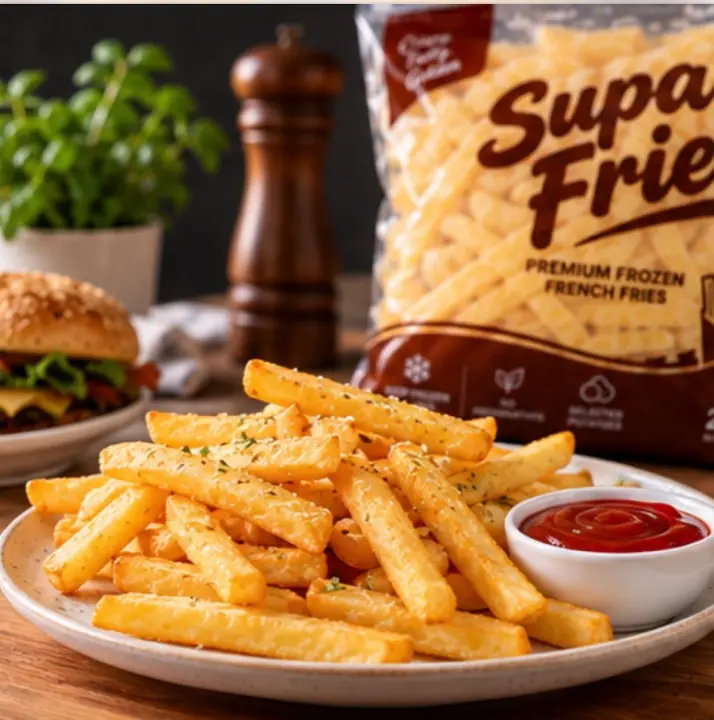
What does the timeline look like?
| When | What happened |
|---|---|
| Thousands of years ago | Potatoes farmed in the Andes of South America |
| 1500s | Potatoes brought to Europe |
| Around 1680 (legend) | Belgian villagers said to fry potatoes when the river froze |
| Late 1700s | Fried potatoes sold in Paris; Parmentier promotes potatoes in France |
| 1802 | Jefferson said to serve potatoes "in the French manner" |
| Late 1800s | Fish and chips shops spread in Britain |
| 1900s | Fries go global with restaurants, hotels and frozen fries |
| Today | Chipsi mayai and chips kuku are everyday favourites in Tanzania |
What are some fun facts about fries?
- Belgium has a museum dedicated to fries, the Frietmuseum in Bruges.
- Belgians often fry their chips twice: once to cook the inside, once to crisp the outside.
- "Chips" in Britain and Tanzania means fries, while in the United States "chips" means thin potato crisps.
- The straight cut, about 10 to 12 mm thick, is the most common style in East Africa. See 9 types of fry cuts.
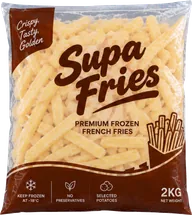
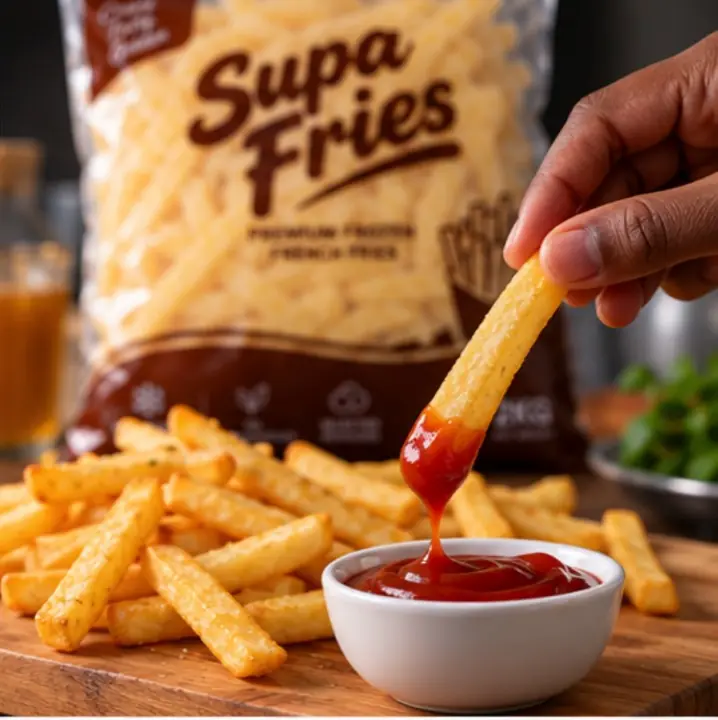
Supa Fries are cut from potatoes grown in Tanzania's Southern Highlands and frozen in Dar es Salaam, ready for chipsi mayai and chips kuku.
Order on WhatsAppWhy do people still love fries?
Because they are simple, cheap and comforting: crisp outside, soft inside, salty and hot. They go with almost anything, from grilled fish to eggs to a cold soda. Whether they began on a frozen Belgian river or a Paris bridge, fries have become one of the few foods eaten happily on every continent. In Tanzania, they have become something more: the base of meals with their own names, eaten on street corners every night.
So next time someone asks where fries come from, you can give the honest answer: "Belgium or France, probably, but nobody knows for sure. And in Tanzania, from the chips spot down the road."
In short
The inventor of french fries is unknown: Belgium and France both claim them, with stories dating from the 1600s and 1700s. Potatoes came from the Andes of South America and reached Europe in the 1500s. Fried potatoes became popular in Belgium, France and Britain in the 1800s, and the name "French fries" spread in the United States, while Britain and East Africa kept the word "chips". In Tanzania, chips became an everyday favourite in dishes like chipsi mayai and chips kuku.
Frequently asked questions
Did French fries come from France or Belgium?
No one knows for sure. Belgium has a legend from around 1680 and France points to fried potatoes sold in Paris in the late 1700s. Neither claim has firm written proof.
Why are they called French fries?
Possibly because of the French style of cooking, because 'frenching' means cutting into strips, or from a story about American soldiers in Belgium. The exact reason is uncertain.
Where did potatoes come from?
Potatoes were first farmed in the Andes of South America, in today's Peru and Bolivia, and reached Europe in the 1500s.
Why do Tanzanians call fries chips?
East Africa follows British English, where fried potato sticks are called chips. In Swahili they are called chipsi.
What is the most famous Tanzanian dish with fries?
Chipsi mayai, also called zege, a chips omelette sold at street food spots across the country.
Put better chips on your menu
Found this useful? Share it.