
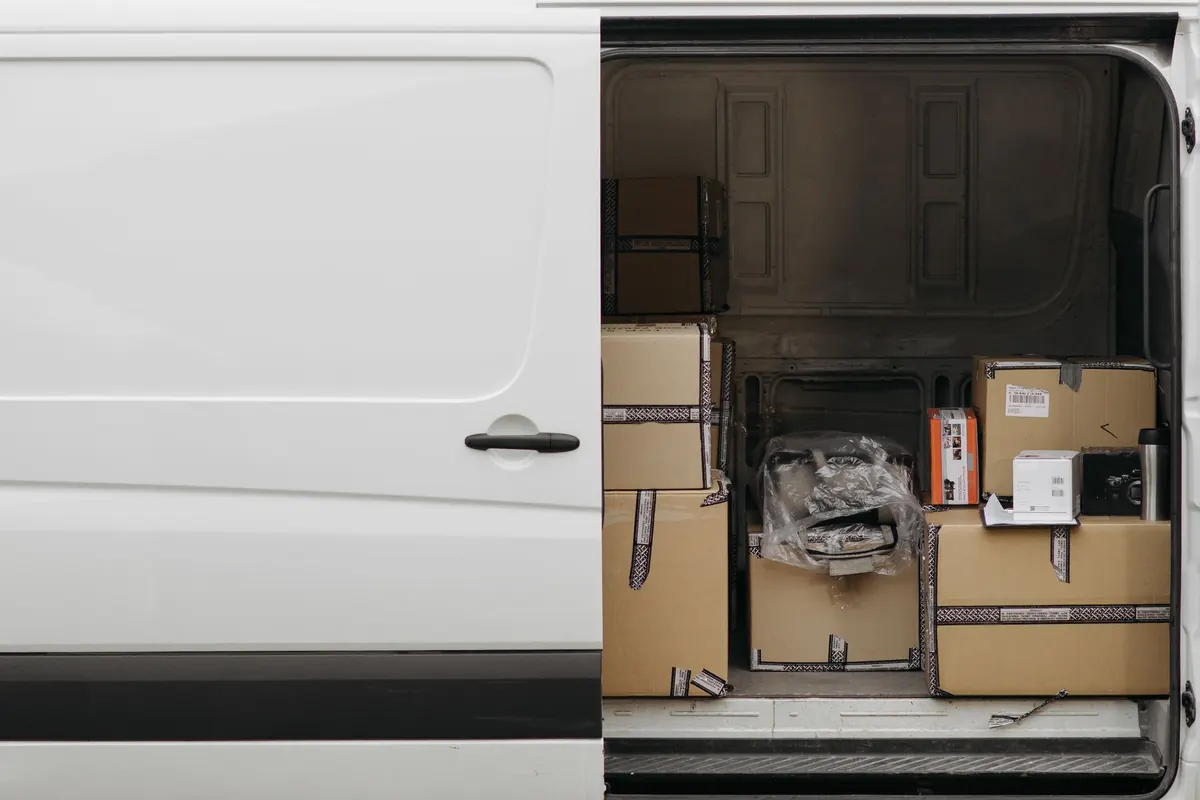
Baraka had a pickup, a chest freezer and a list of twenty restaurants in Mbezi and Kimara that kept telling him the same thing: "Our frozen fries run out and the supplier comes once a week." He started buying stock from a manufacturer in Dar and delivering it himself, twice a week, packed in cool boxes. A year later he had three freezers, a small refrigerated van and more than sixty regular customers.
That is how many distribution businesses start. To become a frozen food distributor in Tanzania you need a registered business, reliable freezer storage with a power backup plan, a way to transport products without thawing, an agreement with at least one supplier, and a list of customers you can serve regularly. Here are the eight steps, with the costs and risks to plan for.
What does a frozen food distributor actually do?
A distributor buys frozen products in bulk from manufacturers or importers, stores them frozen, and sells them in smaller quantities to restaurants, hotels, shops and supermarkets. The value you add is convenience: customers order from one person, get regular delivery and do not need to hold big stocks themselves. Your profit is the difference between your buying price and selling price, minus storage, transport and losses.
The hard part is the cold chain: keeping products at -18°C or colder from the moment you collect them until the customer puts them in their own freezer. Everything else in this guide supports that.
What are the 8 steps to start?
1. Choose your area and your customers
Start small and close. A few neighbourhoods you can reach in one round trip are better than a whole city you can only visit once a week. Walk your area and count the restaurants, chips spots, hotels and shops that sell or cook frozen food. Ask what they buy, how often they run out and what they wish their supplier did better. Those answers are your business plan.
2. Register the business
Register your business name or company with BRELA, get a Taxpayer Identification Number (TIN) from the Tanzania Revenue Authority, and apply for a business licence from your municipal council. Because you handle food, your premises will also need a health inspection, and the products you sell should be registered with the Tanzania Bureau of Standards. Check the latest requirements with each office, since fees and steps change. Our post on restaurant licences and permits explains several of the same offices.
3. Set up freezer storage
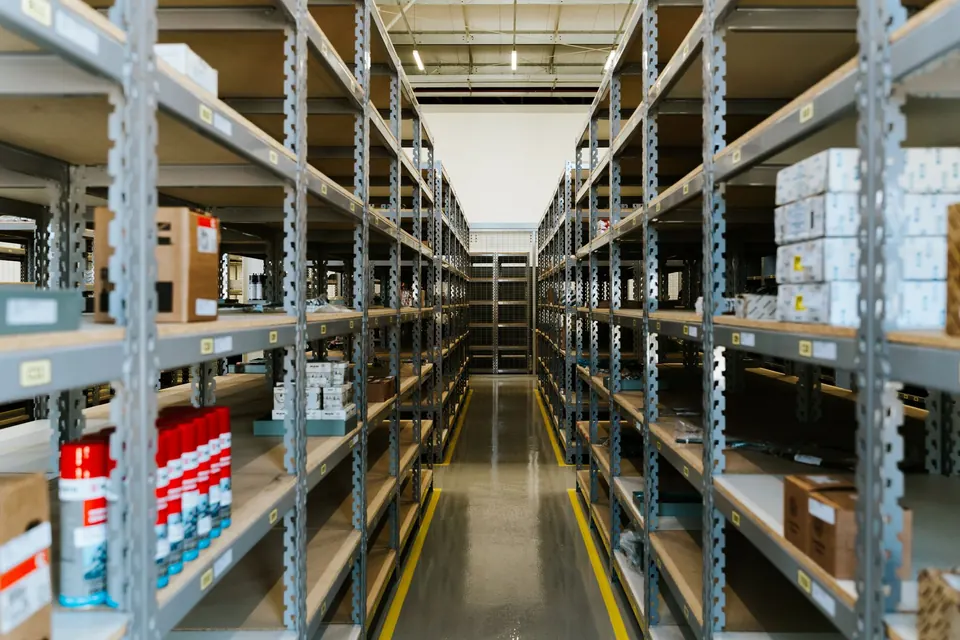
Most new distributors start with two to four commercial chest freezers rather than a cold room. Chest freezers are cheaper, use less power and keep cold longer in a power cut. Put them in a cool, ventilated room, raised off the floor, and keep a thermometer in each one. Our chest freezer guide covers sizes, climate classes and power use.
4. Plan for power cuts
This is where many distributors lose money. A full chest freezer kept closed holds frozen food for many hours, but a long outage can still ruin stock. Budget for a generator or a solar and battery system sized for your freezers, and keep a simple rule: the freezers stay closed while the power is off. Losing one full freezer of stock can wipe out a month of profit.
5. Sort out cold transport
For the first months, good insulated cool boxes in a pickup or tuk-tuk can work for short trips, as long as each trip is under an hour and boxes stay closed. As you grow, a small refrigerated van is the biggest step up. Plan delivery routes so frozen goods spend as little time on the road as possible, and deliver the farthest customers first in cooler morning hours.
6. Agree terms with a supplier
Approach manufacturers and importers with your customer list and expected volumes. Ask about distributor prices, minimum orders, payment terms, delivery or collection, marketing support and whether they give you an area to cover. Local manufacturers are often easier to work with than importers because supply is shorter and steadier. Our guide to frozen fries suppliers in Tanzania lists the questions to ask.
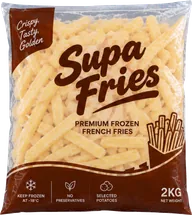
Supa Fries are made in Tanzania from Southern Highlands potatoes. Ask us about wholesale prices and distributor terms on WhatsApp.
Ask for wholesale prices7. Set your prices and payment terms
Work out your full cost per pack: buying price, transport to your store, power, fuel for deliveries, packaging and an allowance for losses. Add a margin that still leaves your customers a fair price. Many small distributors aim for a gross margin of around 10 to 20 percent on frozen staples, but this depends on volume and competition. Be careful with credit. Start with cash or mobile money on delivery and only give short credit to customers who have paid well for several months. Our post on mobile money for restaurants covers easy payment setups.
8. Build a delivery routine customers can rely on
Fixed delivery days, for example Monday and Thursday for one area, make it easy for customers to plan. Take orders on WhatsApp the day before, confirm in the morning, and deliver on time. Customers stay with the distributor who never lets them run out, even if someone else is a little cheaper.
What does it cost to start?
Costs vary a lot, but these are the main items to budget for:
| Item | What to plan for |
|---|---|
| Registration and licences | BRELA, TIN, business licence, health inspection |
| Freezers | 2 to 4 commercial chest freezers to start |
| Power backup | Generator or solar and battery sized for the freezers |
| Transport | Insulated boxes at first, a refrigerated van later |
| First stock | Enough for one to two weeks of orders |
| Running costs | Electricity, fuel, phone and data, rent |
Get real quotes in your area before you commit. Starting with a small number of customers and growing as orders become regular is safer than buying a van on day one.
How do you find your first customers?
Go to them. Visit restaurants between lunch and dinner when owners have time, bring a sample pack, and offer to cook a batch so they can compare. Chips spots, fast food places, hotels, schools and small shops with freezers are good starting points. Our posts on starting a chips business and selling frozen fries in a shop can help you understand what your customers care about. Once you have a few regulars, ask for referrals; restaurant owners talk to each other.

What mistakes should new distributors avoid?
- Too much stock too early. Frozen food ties up cash and freezer space. Buy for the orders you have, plus a small buffer.
- No power plan. One long outage without backup can cost more than the generator.
- Thawing in transit. Soft packs that refreeze clump and cook badly, and customers notice. Keep trips short.
- Unlimited credit. Unpaid invoices kill more small distributors than competition does.
- No records. Track every pack in and out. Our guide on planning frozen stock has a simple system.
Baraka's advice, after his first year, is short: "Sell reliability. The product is the same everywhere; the delivery is not."
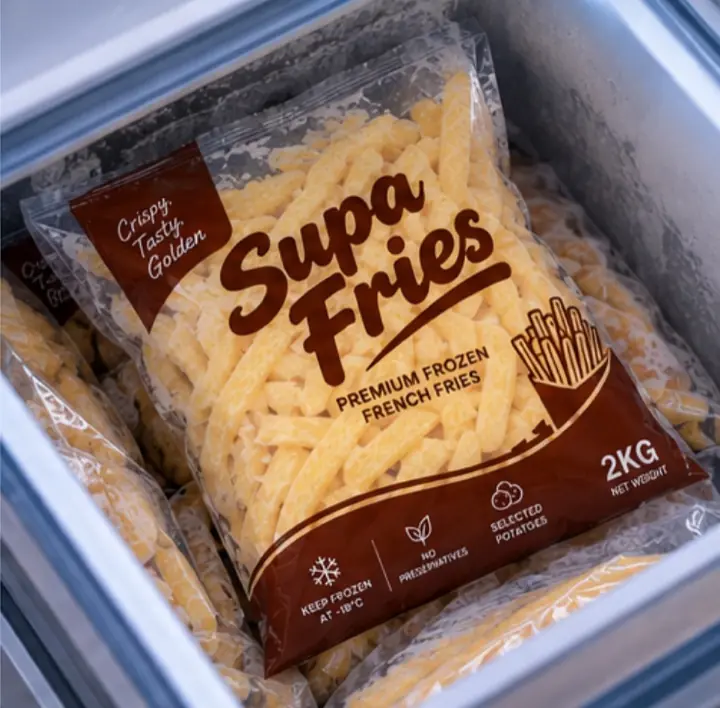
Frozen fries are one of the easiest products for a new distributor to start with, because almost every restaurant and chips spot buys them. If you want to distribute wholesale fries, Supa Fries offers straight cut frozen fries in 2 kg packs; ask about distributor terms.
In short
To become a frozen food distributor in Tanzania, start in a small area you can serve often, register with BRELA and TRA and get your licences, and set up chest freezers with a real plan for power cuts. Move stock in insulated boxes on short trips at first and a refrigerated van as you grow, agree distributor terms with a reliable supplier, price for your full costs including losses, and be careful with credit. Fixed delivery days and never letting customers run out are what build a lasting business.
Frequently asked questions
Do I need a licence to distribute frozen food in Tanzania?
Yes. Register your business with BRELA, get a TIN from TRA, get a business licence from your council and pass a health inspection of your premises. Products should be registered with TBS. Check current requirements with each office.
How many freezers do I need to start?
Many small distributors start with two to four commercial chest freezers and add more as orders grow.
Can I deliver frozen food without a refrigerated van?
For short trips, yes, using good insulated boxes kept closed. For longer routes or bigger volumes, a refrigerated van is safer.
What margin do frozen food distributors make?
It varies with volume and competition, but many small distributors aim for around 10 to 20 percent gross margin on frozen staples. Work it out from your real costs.
Who are the best first customers?
Chips spots, fast food restaurants, hotels, schools and shops with freezers near your base. Visit them with samples.
What is the biggest risk for a new distributor?
Losing stock to power cuts and thawing, followed by customers who do not pay. Plan backup power and start with cash or mobile money on delivery.
Put better chips on your menu
Found this useful? Share it.