
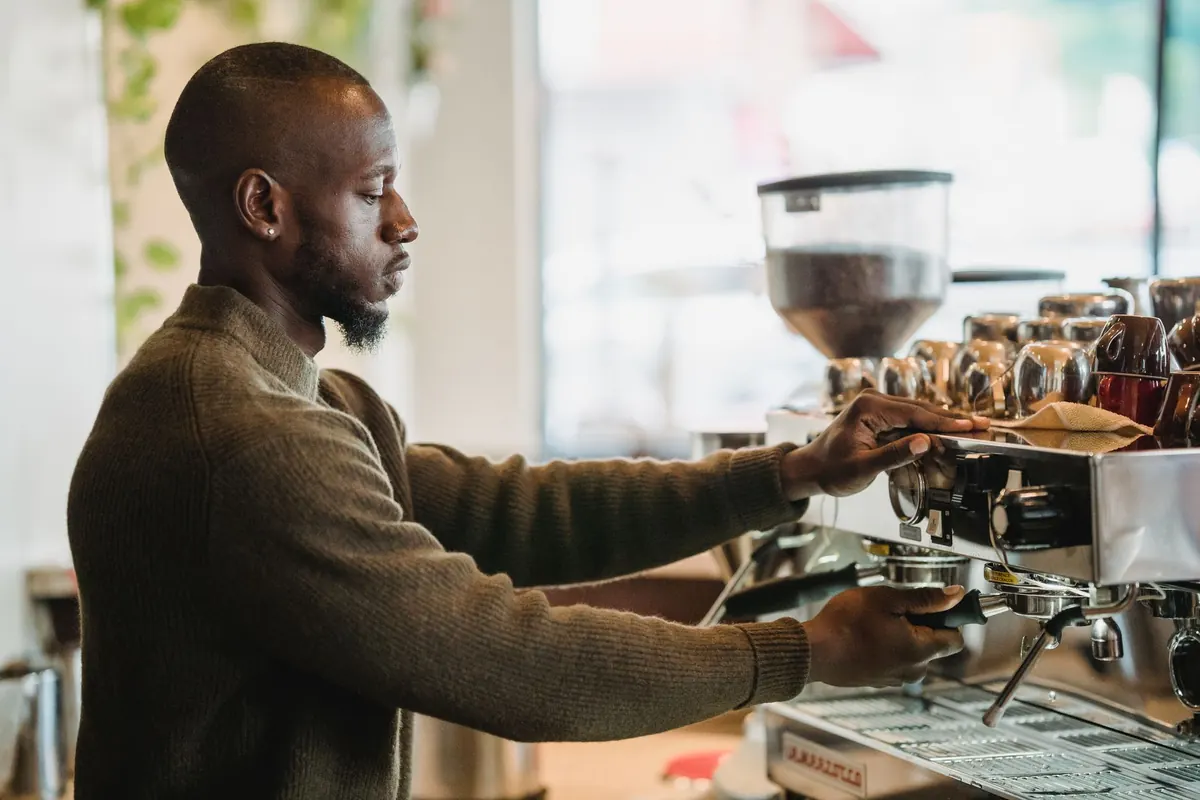
Neema worked in a bank in Posta for eight years. Every morning she bought a coffee on the way in, and every morning she thought the same thing: "I could do this better." The coffee was fine. The service was slow, the chairs were hard and there was nothing good to eat. Two years later she opened a twelve-seat café near her old office. Her first regulars were her former colleagues.
Opening a café in Dar es Salaam is a smaller project than a full restaurant, but it has its own rules. In short: choose a location where people pass every morning, buy a reliable espresso machine and good local coffee, keep a small food menu, get the same licences as any food business, train friendly staff, price for profit and give people a reason to come back. Here are the ten steps.
Step 1: Who is your café for?
A café for office workers needs speed in the morning and takeaway cups. A café for students needs fair prices, Wi-Fi and plugs. A weekend café for families needs space, juices and food for children. A café near a hotel or beach needs good breakfast and comfort. Pick one main customer and build around them.
Step 2: Where should you open?
Coffee is a habit, and habits follow routes. Look for places people pass every day: office areas in Posta, Upanga and Mikocheni, near universities, hospitals, shopping centres and busy junctions. Check where people park and where they wait. A café inside a building lobby or next to a gym can do well with very little street visibility.
Keep rent in proportion to expected sales. A café sells many small items, so you need a steady flow of customers, not a few big bills.
Step 3: Which coffee should you serve?
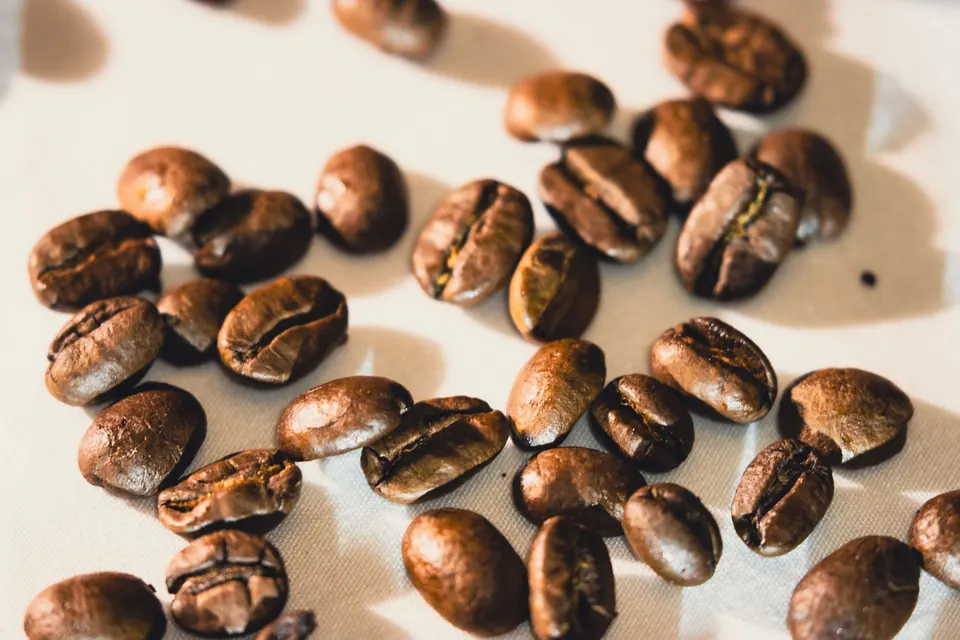
Tanzania grows excellent arabica and robusta coffee, especially around Kilimanjaro, Arusha, Mbeya and Kagera. Using local beans gives you a story customers love and a supply chain you can visit. Buy from a roaster who can deliver fresh coffee every week or two and help you set your grinder. The Tanzania Coffee Board has pledged to boost Tanzanian coffee at home and abroad, which is good news for local cafés.
Taste several coffees with your team and pick one house blend for milk drinks. You can add a single-origin option later.
Step 4: What equipment does a café need?
- An espresso machine sized for your busiest hour, with local service support. This is not the place to save money.
- A good grinder. Many baristas say the grinder matters as much as the machine.
- A water filter, because water quality affects taste and machine life.
- A fridge for milk, a display fridge for food and a freezer.
- A blender for juices and smoothies.
- A small oven, toaster or panini press for food.
- A backup power plan. Power cuts in the morning rush lose sales fast.
Step 5: What food should a café sell?
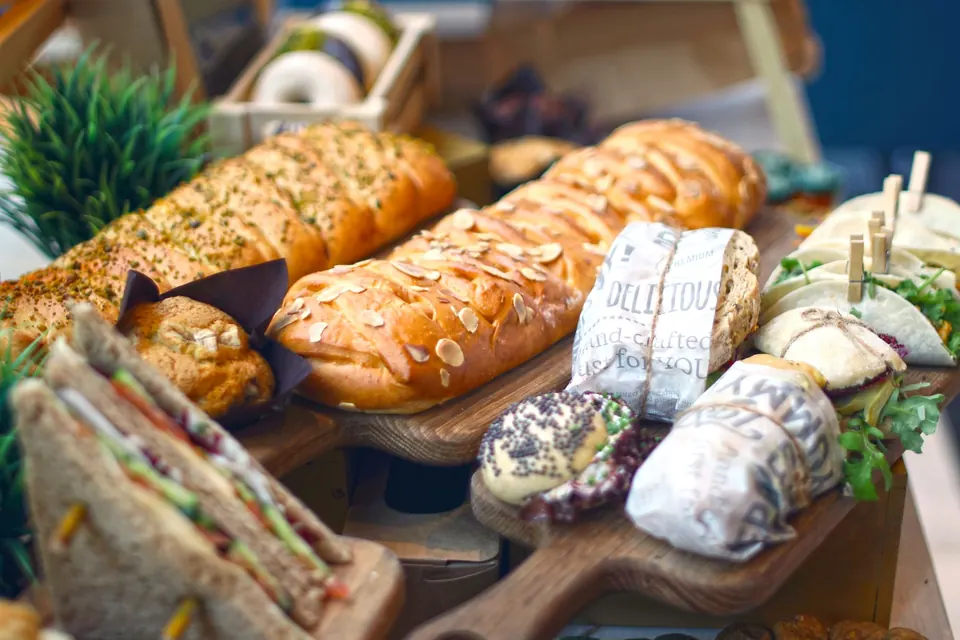
Food turns a TZS 4,000 coffee into a TZS 12,000 bill. Keep it short and easy to prepare: chapati wraps, sandwiches, samosas, mandazi, cakes, eggs, a salad or two and something hot for lunch. Snacks like loaded fries or chips with a dip work well in the afternoon, especially with students and young customers. See our loaded fries recipes for ideas.

Supa Fries cook from frozen in about 3 minutes, so a small café kitchen can serve hot chips without peeling or cutting.
Ask for wholesale prices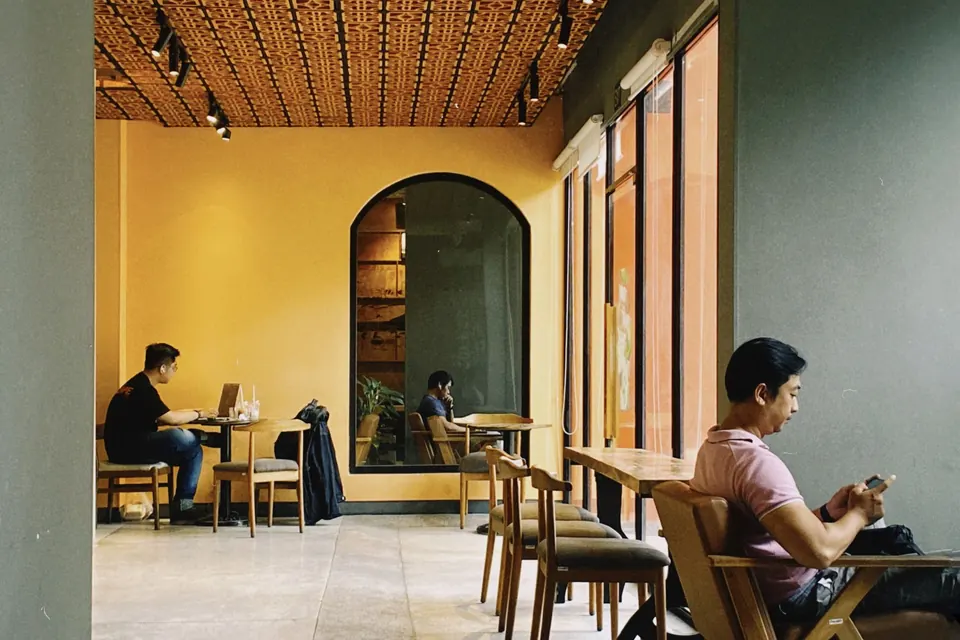
Step 6: Which licences does a café need?
A café is a food business, so it needs the same documents as a restaurant: BRELA registration, a TIN from TRA, a council business licence, TBS food premises registration, a fire safety certificate, OSHA registration if you employ staff and health certificates for food handlers. Our guide to restaurant licences and permits explains each one.
Step 7: How should you price coffee and food?
Work out the cost of every drink: coffee, milk, cup, lid, sugar and a share of waste. Coffee drinks usually have a lower ingredient cost than food, which is why cafés can make good margins on them. Then compare with nearby cafés. Do not try to be the cheapest. Try to be the best value for your customer.
| Item | What drives the cost | Pricing tip |
|---|---|---|
| Espresso drinks | Coffee grams, milk, cup | Weigh each shot so cost stays the same |
| Fresh juice | Fruit price changes by season | Review prices every few months |
| Sandwiches and wraps | Bread, filling, packaging | Fix portion sizes and use shared fillings |
| Cakes and pastries | Waste at the end of the day | Bake or order smaller batches |
Our guide to menu pricing has the full method.
Step 8: Who should you hire?
A small café can run with two or three people per shift. Hire people who like talking to customers. You can teach someone to pull a good shot of espresso in a few weeks, but it is much harder to teach warmth. Ask your coffee supplier or machine seller about barista training for your team, and practise until every cup tastes the same.
Step 9: How do you make a café comfortable?
People choose cafés for how they feel inside. Good chairs, shade or air conditioning, clean toilets, reliable Wi-Fi and plugs make a big difference in Dar's heat. Music should be quiet enough for conversation. Many customers will stay for hours with a laptop; decide how you feel about that and design seating to match, with some small tables for quick visits and a few bigger ones for meetings.
Step 10: How do you build regular customers?
Cafés live on regulars. Learn names and orders. Offer a simple loyalty card: the tenth coffee free. Post your daily specials on Instagram and WhatsApp Status. List the café on Google Maps with photos and opening hours so people can find you when they search "coffee near me". Our marketing ideas and Google Maps guide go deeper.
Neema still stands behind the counter most mornings. She says the secret is simple: the same good coffee, the same smile, every day. The rest follows.
What does the first month of a new café look like?
Expect it to be uneven. Some mornings will be full of curious neighbours, others will be quiet enough to hear the fridge hum. Use the quiet hours well: practise drinks until every cappuccino tastes the same, test new food items with regulars, and visit nearby offices with a few free coffees and your menu. Write down sales by hour for the first four weeks. You will quickly see your real rush times, which tells you when to schedule more staff and when to bake. Most cafés find that one or two items carry most of the sales. Protect those, and do not be afraid to drop what nobody orders.
In short
To open a café in Dar es Salaam, choose a location on people's daily route, buy a reliable espresso machine and grinder, serve good Tanzanian coffee, add a short food menu, get the standard food business licences, train friendly staff, price every item from its real cost and build a loyal group of regulars. Food and comfort raise the average bill, and backup power protects your morning rush.
Frequently asked questions
How much does it cost to open a café in Dar es Salaam?
Costs depend on size and location. The espresso machine, grinder, renovation and rent deposit are the biggest items. Get several quotes and keep at least three months of running costs in reserve.
Is a coffee shop profitable in Tanzania?
It can be, because coffee drinks have relatively low ingredient costs. Profit depends on steady daily customers, sensible rent and adding food to raise the average bill.
Where can I buy coffee beans for a café in Tanzania?
From local roasters who source beans from regions such as Kilimanjaro, Arusha, Mbeya and Kagera. Choose one who delivers fresh coffee regularly and can help set up your grinder.
What licences do I need for a café?
The same as a restaurant: BRELA registration, TIN, council business licence, TBS food premises registration, fire safety certificate, OSHA registration if you have staff and health certificates for food handlers.
What food sells well in a café?
Simple items that are quick to prepare: sandwiches, wraps, samosas, mandazi, cakes, eggs and afternoon snacks like chips with dips.
Put better chips on your menu
Found this useful? Share it.