You followed the pack. You heated the oil, dropped the fries in, waited, and lifted out the basket. They looked fine for a moment. Then, on the plate, they slumped. Soft, a little greasy, nothing like the crisp chips from your favourite spot. You might even have thought, maybe frozen fries are just like this.
They are not. Soggy fries almost always come from one of a handful of small mistakes, and every one of them is easy to fix. Let us go through them one by one, like a detective, until your fries come out crisp every time.
1. Was the oil hot enough?
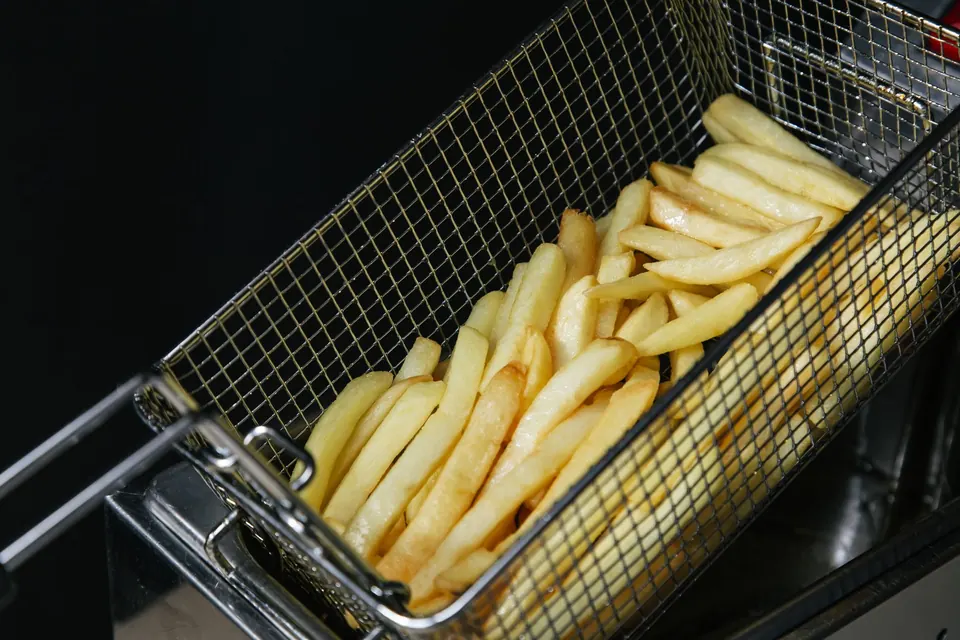
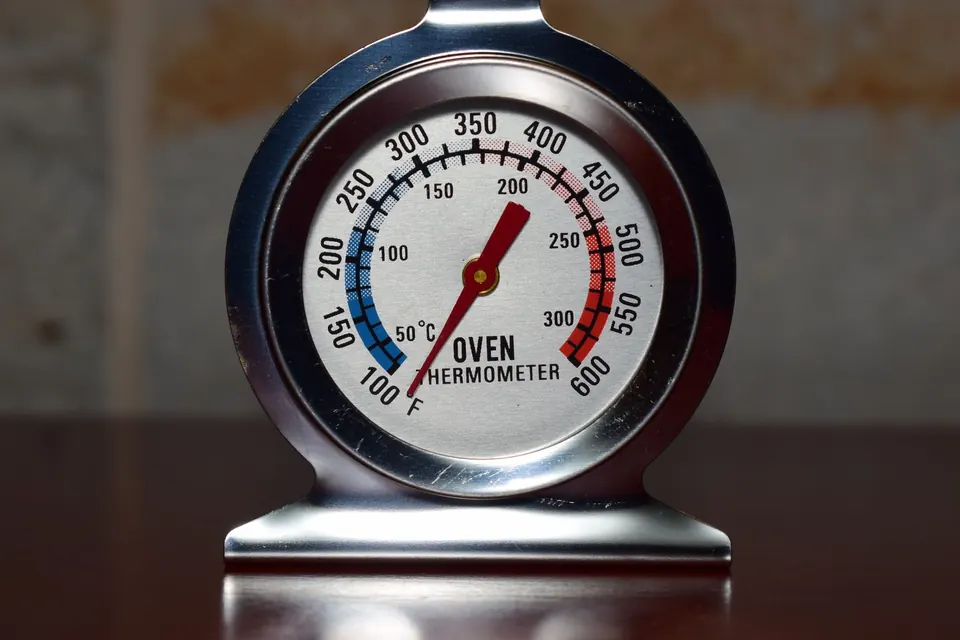
This is the number one cause. Frozen fries need oil at about 175°C. At lower temperatures, the outside never seals, and the fry soaks up oil instead of crisping. Oil that "looks hot" is often only 150°C.
Fix: use a cooking thermometer or a fryer with a thermostat. Wait for the oil to reach 175°C before every batch.
2. Was the basket too full?
Frozen fries cool the oil the moment they go in. A full basket drops the temperature so far that it cannot recover quickly, and the fries steam instead of fry.
Fix: fill the basket no more than halfway. Two small batches are faster and crisper than one big one.
3. Did the fries thaw before cooking?
Thawed fries release water and go soft before they even reach the oil. They also absorb more oil.
Fix: always cook straight from frozen. Take the pack out only when the oil is ready, and put it straight back.
4. Were they packed in a closed box or bowl?
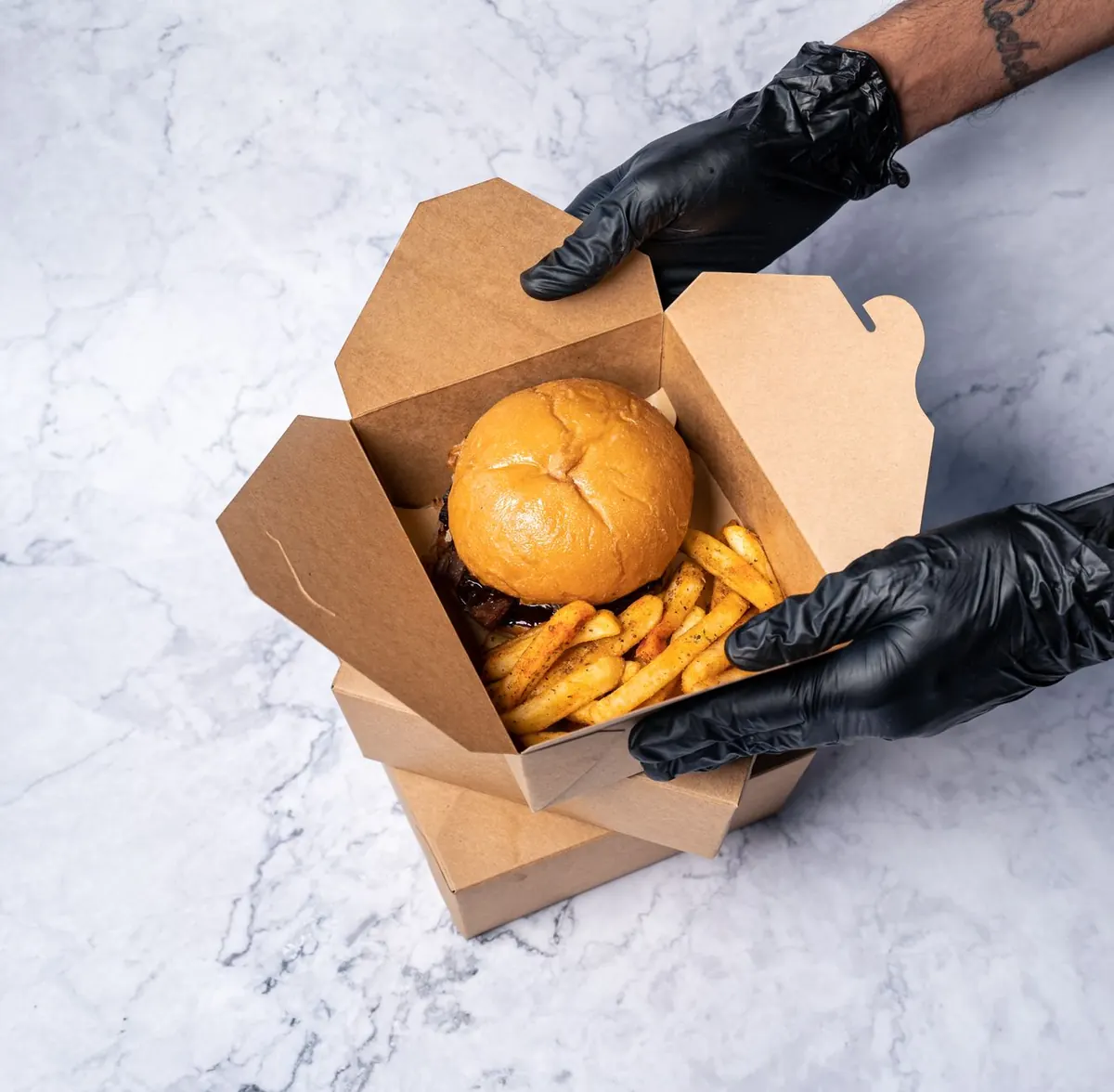
Hot fries give off steam for several minutes. In a closed box, bowl or plastic bag, that steam has nowhere to go, so it softens the crisp outside.
Fix: rest fries on a wire rack or open tray for a moment. For takeaway, use vented boxes and keep sauces separate.
5. Is the oil old?
As oil breaks down, it soaks into food more easily and browns it faster, so fries can look done outside while staying heavy and greasy.
Fix: filter oil daily and change it when it darkens, foams or smells sharp. See how often to change frying oil.
6. Was the air fryer or oven preheated?
Fries placed in a cold air fryer or oven warm slowly, release moisture, and dry out before they crisp.
Fix: preheat the air fryer to 200°C for 3 minutes, or the oven to 220°C with the tray inside.
7. Were they spread in one layer?
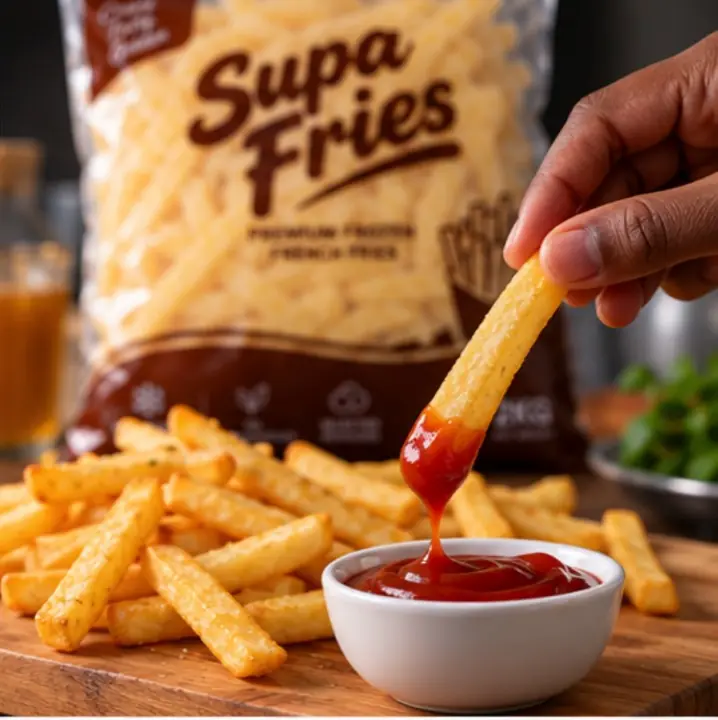
In an air fryer or oven, piled fries trap steam in the middle. The top layer may crisp, but the bottom stays soft.
Fix: spread fries in a single layer and shake or turn them every 5 minutes. Use two trays for big portions.
8. Was the pack stored badly?
If fries partly thawed and refroze, for example during a power cut or a long trip home, they collect ice crystals and stick together. Those fries will never cook as crisp.
Fix: keep packs sealed at −18°C, carry them home in a cool bag, and never refreeze fries that have thawed. Read how to store frozen fries.
9. Did they wait too long before eating?
Even perfect fries start to soften within 5 to 10 minutes. Steam from the soft middle slowly moves outward.
Fix: cook fries last, after everything else is ready, and serve immediately.
How do you diagnose soggy fries quickly?
| What you see | Most likely cause | Quick fix |
|---|---|---|
| Pale, soft and greasy | Oil too cool | Heat to 175°C |
| Fine on top, soft underneath | Crowded basket or tray | Smaller batches, one layer |
| Soft and stuck together | Thawed or refrozen pack | Cook from frozen; store at −18°C |
| Crisp at first, soft later | Closed box or waiting | Vented box, serve fast |
| Dark outside, heavy inside | Old oil | Change the oil |
| Dry but not crisp (air fryer) | Not preheated | Preheat 3 minutes at 200°C |
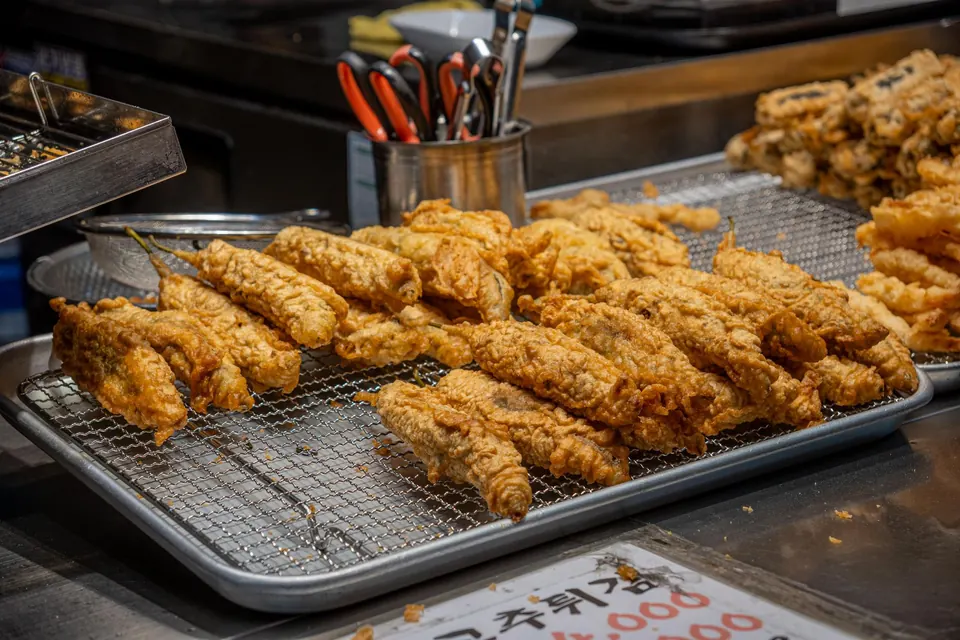
Can you rescue fries that are already soggy?
Often, yes. Put them back into hot oil at 175°C for 60 to 90 seconds, or into a preheated air fryer at 200°C for 3 to 4 minutes. Spread them out and shake once. They will not be exactly like fresh, but they will be much better. Never use the microwave; it makes them softer. See how to reheat fries.
Does the brand of frozen fries matter?
It does. Fries cut unevenly, from watery or sugary potatoes, or packed badly, will be harder to get crisp, however carefully you cook them. Look for an even cut, a sealed pack frozen hard with little ice, and clear cooking instructions. Read what makes the best french fries and where to buy frozen fries in Tanzania.
An even 10 to 12 mm straight cut from Southern Highlands potatoes. Cook from frozen at 175°C for about 3 minutes.
Order on WhatsAppWhat are the right settings for each method?
- Deep fryer: 175°C, about 3 minutes, basket half full.
- Air fryer: preheat to 200°C, 12 to 15 minutes, half full, shake every 5 minutes.
- Oven: preheat to 220°C with the tray inside, 18 to 22 minutes, single layer, turn once.
- Frying pan: oil 1 to 2 cm deep, very hot, single layer, 5 to 7 minutes, turning often.
Full guide: how to cook frozen fries. Comparing appliances? See air fryer vs deep fryer.
How do restaurants stop fries going soggy at busy times?
Busy kitchens face the same problems as homes, just faster. The best ones build simple habits: they check oil temperature at the start of every shift, mark a fill line on the basket, use a timer for each batch, fry to order instead of in advance, and pack takeaway fries in vented boxes with sauces on the side. They also change oil before it darkens and keep frozen stock sealed at −18°C. These habits cost almost nothing and protect every plate. Read how restaurants can sell more chips for more.
What is a quick crispy-fries checklist?
- Fries still frozen hard? Yes.
- Oil at 175°C, or air fryer/oven preheated? Yes.
- Basket or tray no more than half full, in one layer? Yes.
- Oil clean and light gold? Yes.
- Cooked until golden, not brown? Yes.
- Drained, salted in a bowl, served straight away? Yes.
Six yeses, and soggy fries become a thing of the past.
Do power cuts make frozen fries soggy?
They can, if the fries thaw. A short power cut is usually fine as long as the freezer stays closed: a full freezer keeps food frozen for about 48 hours. But if the fries soften and then refreeze when the power returns, they collect ice and stick together, and they will cook softer than before. After an outage, check the pack. Still frozen hard? Carry on. Soft or icy and clumped? Cook them that day, in small batches at full heat, and do not refreeze them. A voltage protector also helps protect your freezer when power comes back.
Soggy fries are not a sign that frozen fries are bad. They are a sign that one small step needs adjusting. Change one thing at a time, starting with oil temperature, and you will quickly find what works in your kitchen.
In short
Frozen fries usually go soggy because the oil was not hot enough (it should be about 175°C), the basket or tray was too full, the fries were thawed before cooking, they were packed in a closed box, the oil was old, or the air fryer or oven was not preheated. Cook from frozen in small batches, preheat, spread in one layer, use fresh oil, rest fries on a rack and serve them straight away. Soggy fries can often be rescued with 60 to 90 seconds in hot oil or 3 to 4 minutes in an air fryer.
Frequently asked questions
Why are my frozen fries soggy in the air fryer?
Usually the air fryer was not preheated, the basket was too full, or the fries were not shaken. Preheat to 200°C, fill half way and shake every 5 minutes.
Should I thaw frozen fries before frying?
No. Thawed fries release water and absorb more oil, so they turn soft and greasy. Cook straight from frozen.
Why do my fries go soft after a few minutes?
Steam from the hot inside softens the outside, especially in a closed box. Rest them on a rack, use vented boxes and serve quickly.
How do I make soggy fries crispy again?
Put them back in oil at 175°C for 60 to 90 seconds, or in a preheated air fryer at 200°C for 3 to 4 minutes.
What temperature should oil be for frozen fries?
About 175°C. Check it with a thermometer or a fryer thermostat.
Why do takeaway fries go soggy?
Steam is trapped in the closed box. Use vented boxes, keep sauces separate and fry just before the customer collects.
Get Supa Fries delivered
Found this useful? Share it.