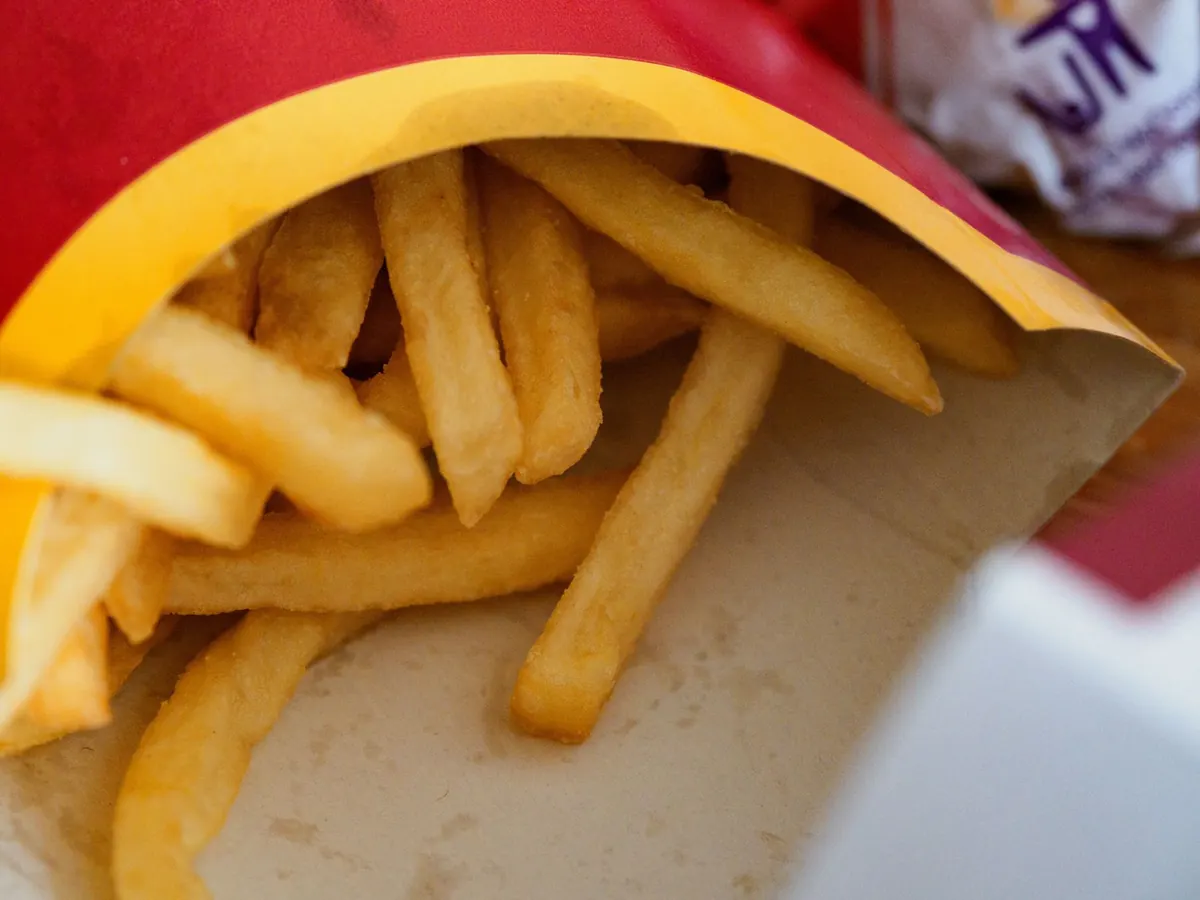
Think about the best chip you have ever eaten. Maybe it was from a tiny spot near your school, eaten hot from a paper cone. Maybe it was at a hotel by the sea, or at your grandmother's house on a Sunday. You probably remember the crunch, the steam when you bit into it, the salt on your fingers. And you probably also remember the disappointing chips: limp, greasy, pale, or burnt at the ends.
So what is the difference? Why do some fries become a memory and others end up left on the plate? There is no magic to it. A great chip follows a few simple rules, in a restaurant or at home. Once you know them, you will spot great fries anywhere, and you will be able to make them at home.
1. Is it golden, not brown?
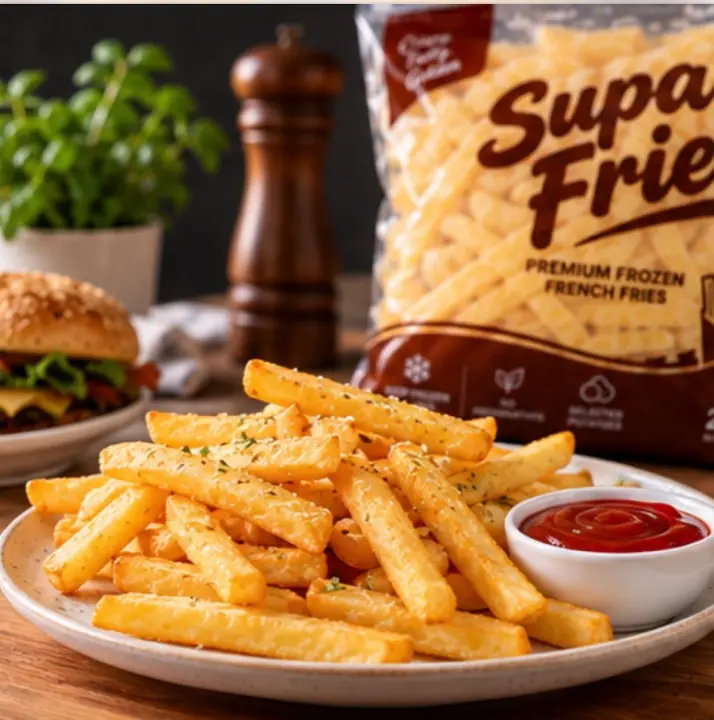
The best fries are a warm golden yellow, the colour of honey, from end to end. Pale fries are undercooked and soft. Dark brown fries are overcooked, often bitter, and higher in acrylamide, a compound that forms when starchy foods are cooked too dark. Food agencies like the UK Food Standards Agency call this rule "go for gold". Even colour across the whole batch also tells you the fries were cut to one size and cooked at a steady temperature. Read acrylamide in fries to learn more.
2. Does it crunch when you bite?
A great fry has a thin, crisp shell that gives a clean crunch, not a hard crack and not a soft bend. That shell forms when the surface dries out quickly in hot oil. If the oil is too cool, the shell never forms properly and the fry soaks up oil instead. Our guide on how to make crispy chips covers every detail.
3. Is the inside soft and fluffy?
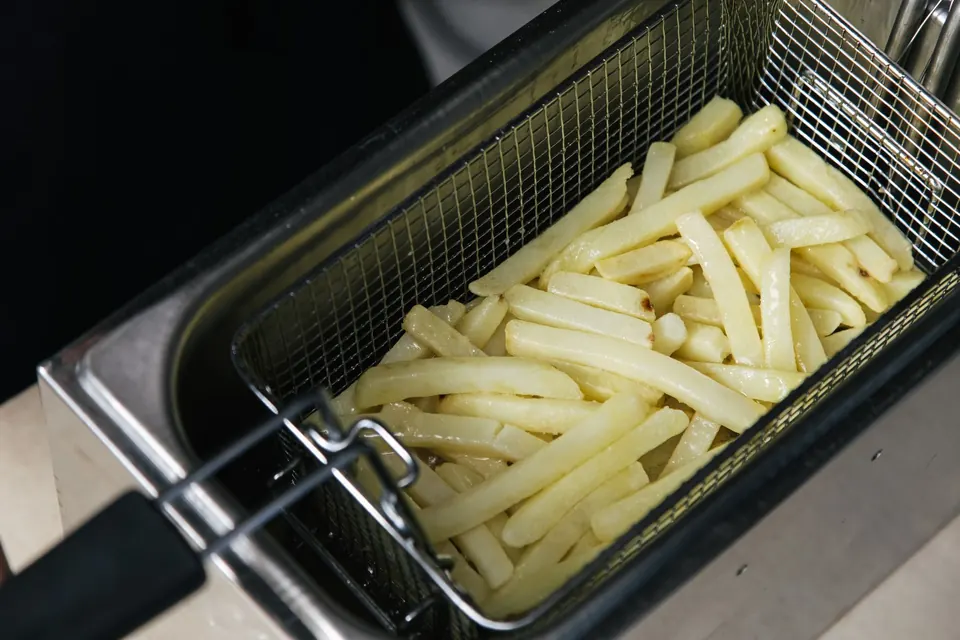
Break a perfect chip in half and you should see a soft, white, steamy inside, almost like mashed potato. This comes from the right potato: one with high dry matter, meaning more starch and less water. Watery potatoes make dense, soggy middles. In Tanzania, the cool Southern Highlands grow excellent potatoes for chips; read why Southern Highlands potatoes make great fries.
4. Is every fry the same size?
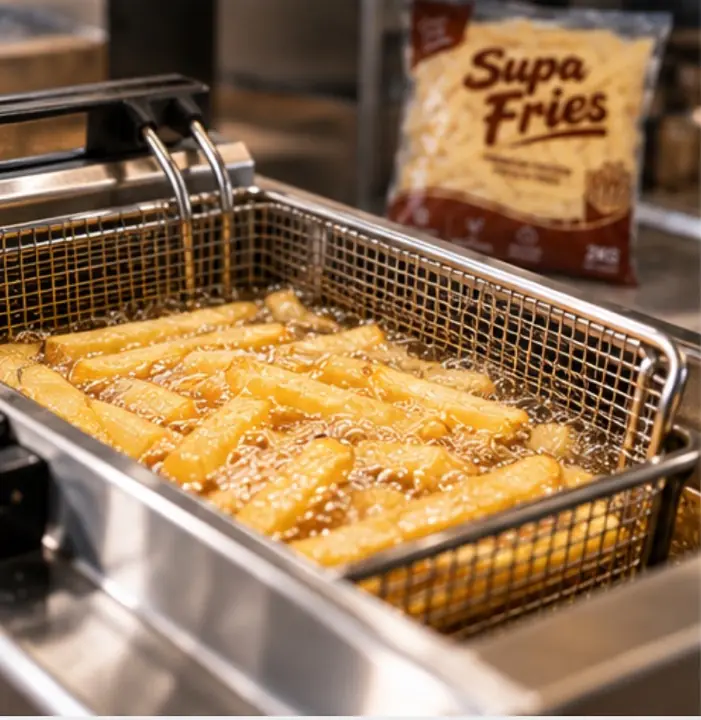
When fries are cut to one size, they all cook at the same speed and come out the same colour. When they are cut by hand in a rush, thin pieces burn while thick ones stay raw. The classic straight cut, about 10 to 12 mm, is the most popular size in the world because it balances crunch and fluffiness. See 9 types of fry cuts.
5. Is it dry, not greasy?
Good fries leave a little shine on your fingers, not a pool of oil in the box. Greasy fries usually come from oil that is too cool, a basket that is too full, or oil that is old and tired. Fresh oil at about 175°C, small batches and a few seconds of draining make the difference. See how to make fries less oily.
6. Is it seasoned at the right moment?
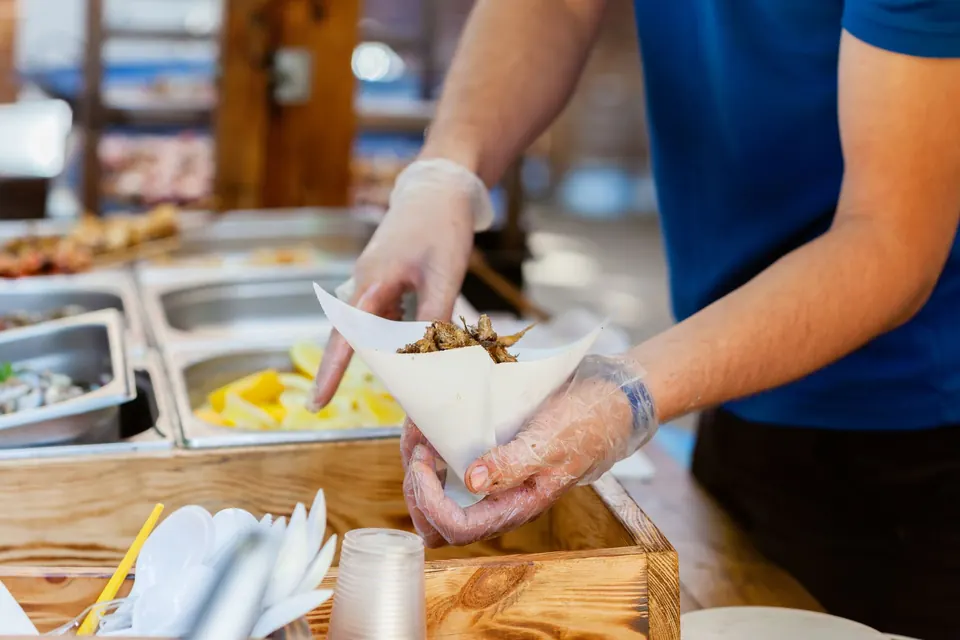
Salt sticks best in the first 30 seconds after frying, while the fries are hot and slightly glossy. Season too late and the salt falls off. Season before frying and it spoils the oil. The best spots toss fries in a bowl straight from the basket, sometimes with a house seasoning. Try our 8 seasoning ideas.
7. Is it served hot, right away?
Even a perfect fry starts to soften within about 5 to 10 minutes as steam from the middle moves to the crisp outside. The best fries are fried to order and served immediately. That is why chips from a busy spot often taste better than chips from a tray that has been waiting.
How do you score a plate of fries?
| Sign | Perfect | Problem | Usual cause |
|---|---|---|---|
| Colour | Even golden yellow | Pale or dark brown | Wrong time or temperature |
| Outside | Thin, crisp shell | Soft or hard | Oil too cool or too hot |
| Inside | Soft and fluffy | Dense or watery | Wrong potato |
| Shape | Same size | Mixed sizes | Uneven cutting |
| Oil | Light shine | Greasy | Cool or old oil, full basket |
| Salt | Evenly coated | Patchy | Salted too late |
| Temperature | Hot | Lukewarm | Waited too long |
Can frozen fries be the best fries?
Yes. In fact, many of the best fries you have eaten in restaurants and hotels were frozen fries. Good frozen fries are cut from selected potatoes to an even size and frozen quickly, so they hit several of the seven signs before they even reach your kitchen: the right potato, the same size, a dry surface that crisps fast. What is left is the cooking: hot oil, small batches, good timing. Read frozen fries vs fresh-cut chips and 7 frozen fries myths.
Southern Highlands potatoes, an even 10 to 12 mm straight cut, no preservatives. Golden in about 3 minutes.
Order on WhatsAppHow do you make the best fries at home?
- Start with good fries: an even cut from quality potatoes.
- Heat clean oil to 175°C, or preheat an air fryer to 200°C.
- Cook from frozen, in small batches.
- Stop at golden yellow: about 3 minutes in a deep fryer.
- Drain, shake, and salt in a bowl straight away.
- Serve hot, with a good sauce. See 10 dipping sauces.
Full times for every method are in how to cook frozen fries. And if you want to taste the best fries around the world, read french fries around the world.
How can restaurants serve the best fries every day?
Consistency is the hard part in a busy kitchen. The restaurants with the best chips do the same simple things every shift: they check fryer temperature, use the same cut and the same portion, change oil before it darkens, fry to order and serve fast. Using quality frozen fries removes the biggest variable, the potato itself. See why restaurants choose Supa Fries.
Which sauce makes the best fries even better?
A great fry stands on its own, but the right sauce lifts it. Ketchup is the world's favourite. In Belgium and the Netherlands it is mayonnaise. In Britain, salt and vinegar. In Tanzania, a spoon of pilipili sauce and fresh kachumbari on the side is hard to beat. If you want to impress, make a quick garlic mayo: mayonnaise, crushed garlic, lemon and a pinch of salt. Recipes for ten sauces are in our dipping sauces guide.
What mistakes stop good fries from being great?
- Overfilling the basket, which cools the oil.
- Thawing frozen fries first, which makes them soft.
- Cooking too dark in the hope of extra crunch.
- Salting late, so the salt falls off.
- Covering hot fries, which traps steam.
- Keeping oil too long, which makes fries heavy and bitter.
Each of these is small, but together they decide whether people finish their plate or leave half of it. Fix them and even ordinary fries become memorable.
How can you test fries like a food critic?
Next time you order fries, try this quick test. Look first: is the colour even and golden? Pick one up: does it stand straight or flop? Bite: is there a clean crunch? Break one: is the inside soft and white? Touch the box: is there oil pooling at the bottom? Wait two minutes and try another: is it still crisp? Six quick checks, and you will know whether a kitchen really cares about its chips. It is a fun game to play with friends, and it makes you a much better judge of your own cooking too.
In short
The best french fries are evenly golden (not brown), crisp outside, soft and fluffy inside, cut to the same size, dry rather than greasy, salted straight after frying and served hot. They come from starchy, low-sugar potatoes, an even cut such as 10 to 12 mm, clean oil at about 175°C and small batches. Quality frozen fries can be the best fries, because the potato and cut are already right; cook them from frozen and stop at golden.
Frequently asked questions
What makes french fries crispy?
A dry surface meeting hot oil at about 175°C, in small batches, so a thin crisp shell forms quickly. Cool or crowded oil makes soft fries.
Which potato makes the best fries?
Starchy potatoes with high dry matter and low sugar. They give a fluffy inside and an even golden colour.
What colour should good fries be?
An even golden yellow. Pale means undercooked; dark brown means overcooked.
Are frozen fries as good as fresh?
Quality frozen fries can be excellent, often more consistent, because they are cut evenly from selected potatoes.
What is the best size for french fries?
A straight cut of about 10 to 12 mm is the most popular all-rounder: crisp outside and fluffy inside.
What is the best sauce for french fries?
Ketchup is the most popular worldwide, mayonnaise in Belgium, salt and vinegar in Britain, and pilipili sauce with kachumbari in Tanzania.
Get Supa Fries delivered
Found this useful? Share it.