
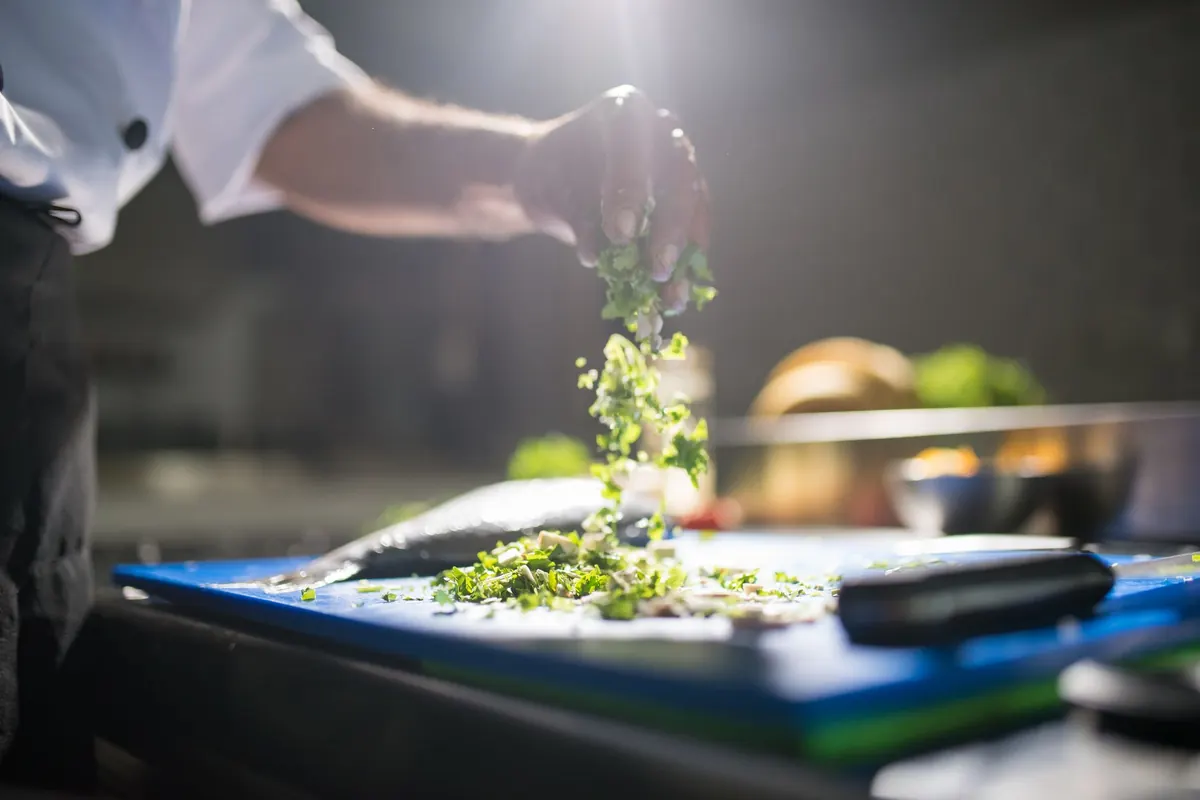
Baraka's restaurant in Mwenge opened at 11am, but his two cooks started at 6am. Most of those five hours went on peeling and cutting potatoes, chopping onions, cleaning greens and cooking rice. On busy days they still ran out of prepped chips by 2pm and had to cut more during the rush. When he timed everything for a week, he found almost two hours a day went on potatoes alone.
The best ways to cut prep time in a restaurant kitchen are to work from a written prep list, batch similar tasks together, buy some ingredients already prepared (frozen fries are the biggest single saving for chips kitchens), set up the kitchen so tools and ingredients are close at hand, use the right equipment, and train every cook to the same routine. Here are ten ideas that save hours every week without lowering quality.
Why does prep time matter so much?
Prep time is paid time that produces no sales. Every hour a cook spends peeling potatoes is an hour of wages, gas and electricity before the first customer arrives. Long prep also means early starts, tired staff and less time for cleaning and quality checks. Cutting prep by even an hour a day can save a small restaurant a full salary over a year. The French idea of mise en place, having everything prepared and in place before service, only works if the prep itself is efficient.
What are the 10 best ideas?
1. Write a daily prep list
List every task with quantities, based on expected sales for that day. Monday's list is shorter than Saturday's. Cooks tick off tasks as they go, so nothing is forgotten and nothing is over-prepared. Base quantities on your sales records; our stock planning guide shows how to work out daily use.
2. Batch similar tasks
Chop all the onions for the day at once, not three times. Cook rice in one big batch and hold it properly. Make sauces and marinades in batches that last two or three days where safe. Switching between tasks wastes more time than people think.
3. Buy some ingredients ready to use
Not everything needs to be made from scratch. Frozen fries remove peeling, cutting, washing and blanching completely, which is the biggest saving in any chips kitchen. Other options include peeled garlic and ginger paste, washed greens from a trusted supplier, and ready-made pastry for samosas. Compare the cost against the labour saved; our post on frozen fries vs fresh chips does this for potatoes.
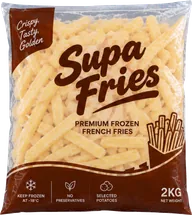
Supa Fries come peeled, cut and ready to fry from frozen in about 3 minutes. No peeling, no washing, no waste. Ask for a restaurant quote.
Get a quote
4. Set up stations
Give every task a fixed place: a vegetable station by the sink, a meat station with its own boards, a fryer station with frozen stock beside it. When everything has a place, cooks stop walking around looking for things.
5. Keep tools sharp and close
A sharp knife is faster and safer than a blunt one. Keep two or three good knives per cook, a sharpening steel, and enough cutting boards for every cook to work at once. Hang frequently used tools within arm's reach of each station.
6. Use the right equipment
A food processor or a simple vegetable slicer can turn 30 minutes of chopping into five. A rice cooker frees a burner and a cook. A second fryer at peak times saves more than it costs. Our equipment checklist lists what is worth buying first.
7. Label and date everything
Prepped food in clear, labelled containers with dates is faster to find and safer to use. It also stops cooks prepping something that is already in the fridge.

8. Use standard recipes and portions
When every cook follows the same written recipe and portion size, there is no guessing, no remaking and less waste. Laminate recipe cards and keep them at each station. Our post on keeping chips consistent shows what a simple standard looks like.
9. Prep the night before where safe
Marinate meat, soak beans and prepare dry spice mixes at closing time. Store them covered and cold. The morning team starts cooking instead of starting prep.
10. Time it, then fix the biggest task
Spend one week timing every prep task. You will usually find one or two jobs eat most of the time. Fix those first, whether by buying them ready, buying a machine or changing the method.
How much time do potatoes really take?
For a chips spot selling 100 plates a day, fresh potatoes usually mean peeling, cutting, washing and often blanching around 25 to 30 kg before service. That can easily take two people two hours or more, plus time cleaning up peels and starchy water. Here is a simple comparison:
| Task | Fresh potatoes | Frozen fries |
|---|---|---|
| Peel and wash | Yes, every morning | None |
| Cut to size | Yes, by hand or machine | None |
| Blanch or soak | Often | None |
| Waste to clean up | Peels, offcuts, bad potatoes | Empty packs |
| Time to first plate | After prep is done | About 3 minutes from the freezer |
Check your own numbers with our chips cost per plate calculator.
How do you set up a fryer station for speed?
Put a small freezer or a freezer drawer right next to the fryer, holding one shift of frozen fries already portioned into bags or containers. Keep baskets, a thermometer, a salt shaker, a draining tray and serving boxes within arm's reach. Mark a fill line inside each basket so cooks never overfill. With this setup, one cook can run the fryer through a full rush without leaving the station, and every portion comes out the same. Our post on choosing a commercial deep fryer helps if you are adding a second fryer.
Which tasks should never be rushed?
Speed should never come from cutting corners on food safety. Hand washing, cleaning boards between raw and cooked food, cooking chicken through, cooling cooked food quickly and checking fridge temperatures all stay in the routine, however busy the kitchen is. The time you save should come from better planning, better tools and buying smart, never from skipping these steps.
Review the prep list every month. Menus change, sales change, and a task that made sense in January may be wasted effort by June. Ask the morning cook what took longest that week and start there.
How do you get staff on board?
Explain why: shorter prep means fewer early starts and less stress at rush hour. Ask cooks which tasks annoy them most; they usually know where the time goes. Train new staff on the prep list from day one. Our post on hiring and training staff has more ideas. Keep food safety in the routine; the WHO's food safety guidance is a good reminder that faster must never mean less clean.
Baraka switched to frozen fries, bought a vegetable slicer and wrote a prep list. His cooks now start at 8am instead of 6am, and the restaurant has not run out of chips during the lunch rush since.
In short
To cut prep time in a restaurant kitchen, work from a daily prep list based on sales, batch similar tasks, and buy the most time-consuming items ready to use. Frozen fries remove peeling, cutting and blanching, often saving two hours a day in a chips kitchen. Set up fixed stations, keep tools sharp and close, use simple equipment like slicers and rice cookers, label and date prepped food, use standard recipes, prep safely the night before, and time every task so you fix the biggest one first.
Frequently asked questions
What is the fastest way to reduce prep time?
Time every prep task for a week and fix the biggest one first, often by buying that item ready to use or getting a simple machine.
How much time do frozen fries save?
For a spot selling around 100 plates a day, often two hours or more of peeling, cutting and washing every morning.
What is a prep list?
A daily list of prep tasks and quantities based on expected sales, which cooks tick off as they go.
Is it safe to prep food the night before?
Yes for many tasks, such as marinating meat or soaking beans, if food is covered, labelled and kept cold.
Which equipment saves the most prep time?
Sharp knives, a vegetable slicer or food processor, a rice cooker and a second fryer at peak times.
Put better chips on your menu
Found this useful? Share it.