
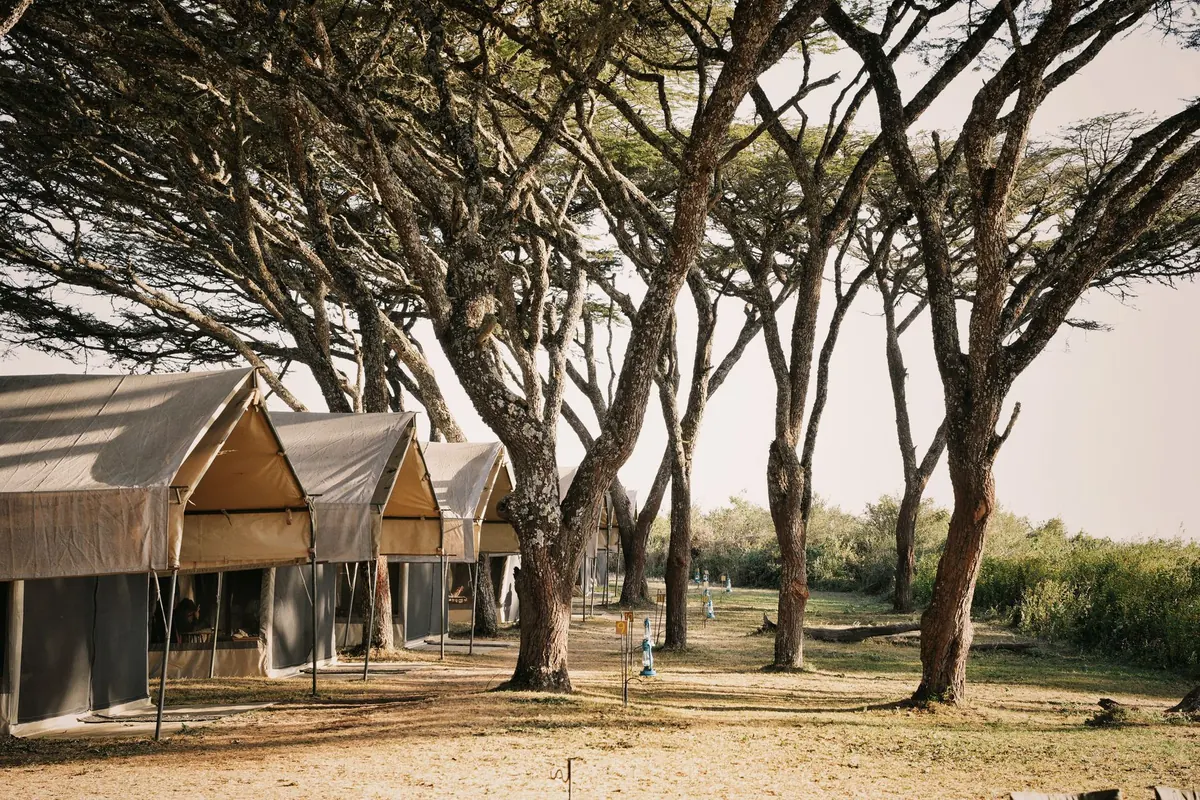
The chef at a tented camp in the Serengeti gets supplies once every two weeks. The truck leaves Arusha before dawn and arrives in the afternoon after hours on dusty roads. If something is forgotten, guests go without it for a fortnight. If the cool boxes are packed badly, half the frozen stock arrives soft. Over three seasons she has turned the supply run into a precise routine, and frozen staples are at the centre of it.
Safari lodges and remote camps in Tanzania plan frozen food supply on a fixed cycle (usually weekly or every two weeks), order by guest numbers with a buffer, move frozen goods from Arusha or Dar in freezer trucks or well-packed insulated boxes, run reliable freezer power with solar or generator backup, and build menus around long-life frozen staples like fries, vegetables, fish and meat. Here is how to plan each step so food arrives frozen and guests never notice how far away the shops are.
Why is food supply so hard for remote lodges?
A safari lodge may be several hours from the nearest town, on roads that close in the rains. Fresh produce spoils on long journeys, deliveries are expensive, and guests paying premium rates still expect a varied menu, often including familiar comfort food like fries with dinner or at lunch stops. Tourism to the northern circuit, Ruaha and Nyerere keeps growing, as the Tanzania National Parks network attracts more visitors, so more camps face the same challenge.
How should a remote lodge plan orders?
- Fix the supply cycle: weekly or fortnightly, depending on distance and storage.
- Order by bookings: take confirmed guest nights for the next cycle and multiply by portions per guest per day.
- Add a buffer: 15 to 25 percent for walk-ins, delayed trucks and closed roads. The further away you are, the bigger the buffer.
- Keep an emergency reserve: one extra cycle of long-life frozen and dry staples in case a delivery fails.
Our stock planning system works for lodges too, with a longer delivery gap. For fries, plan about 120 to 180 g per guest per day if they are on the menu daily; see the portion guide.
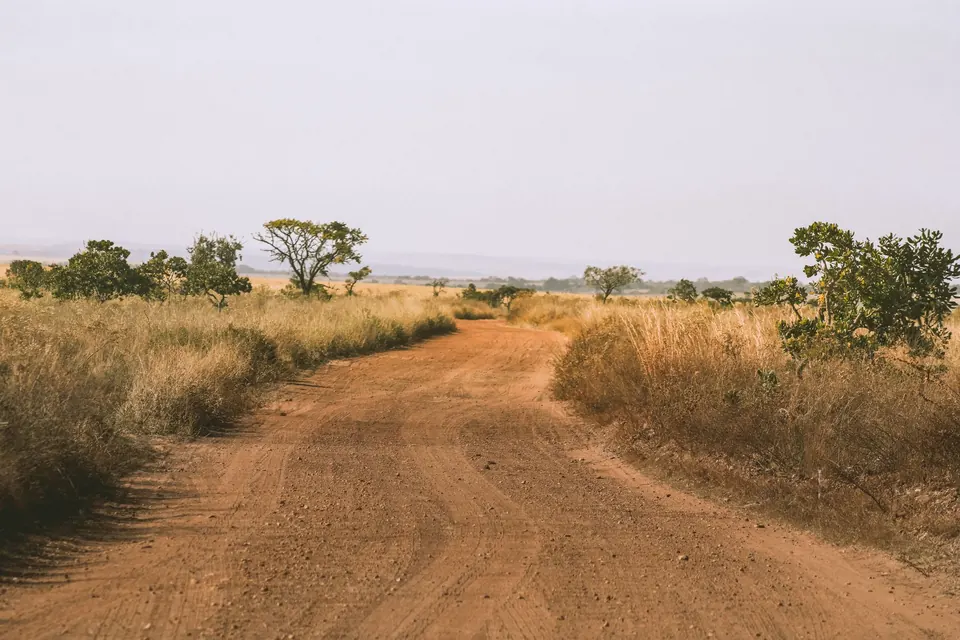
How do you keep frozen food frozen on the road?
Transport is the weakest link in the cold chain for remote lodges. The safest options are:
- Freezer trucks from Arusha or Dar wholesalers for big orders.
- Insulated boxes with ice packs in the lodge's own vehicle, packed tightly so frozen items keep each other cold.
- Packing order: frozen goods in the middle, densest items at the bottom, boxes opened only on arrival.
- Timing: leave early, avoid the midday heat where possible, and go straight to the freezer on arrival.
Check temperatures on arrival as you would at a city hotel; our receiving checklist applies, even if the "delivery" is your own truck.

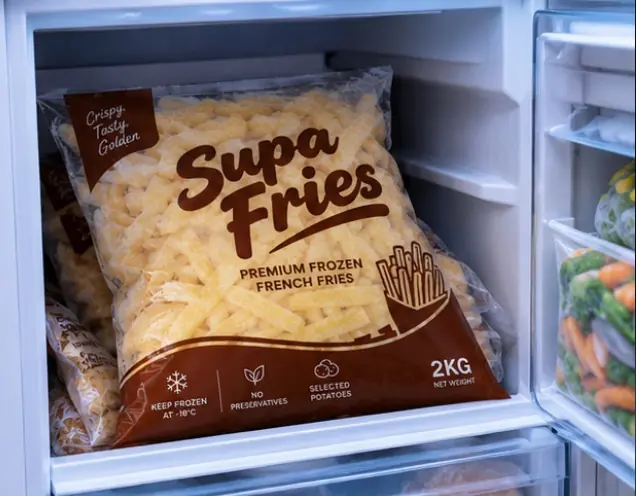
Supa Fries keep up to 12 months at -18°C and pack tightly in 2 kg bags, ideal for remote kitchens on long supply cycles. Ask for a lodge quote.
Get a quoteHow do you power freezers in the bush?
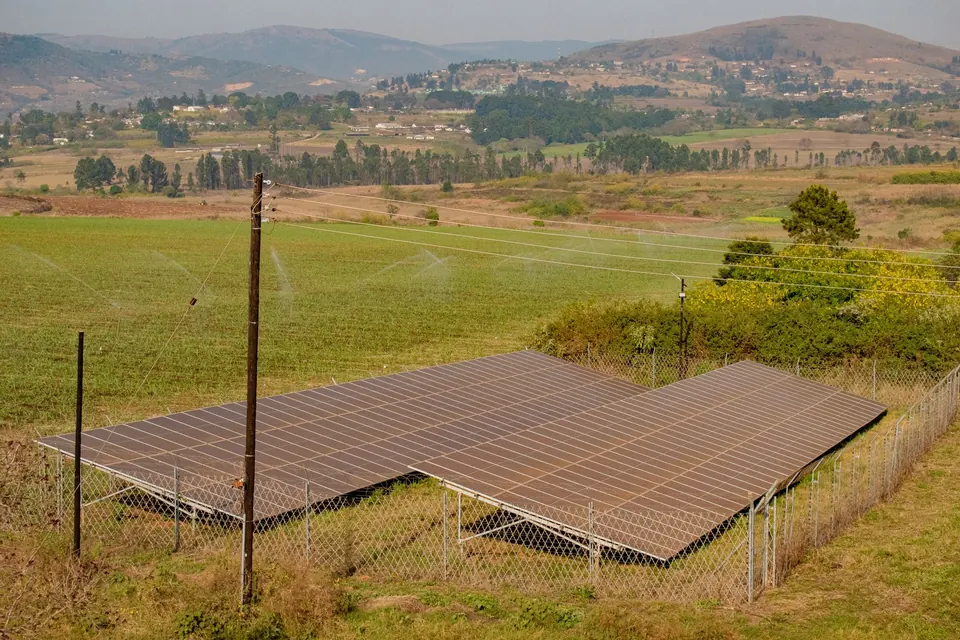
Most camps run on solar with battery storage, a generator, or both. Chest freezers are the best choice off-grid: they hold cold far longer than upright freezers and use less energy. Many camps now use dedicated solar-powered freezers, which run directly from panels and hold cold overnight. Keep freezers in shade with good airflow, open them as little as possible, and keep them full, because a full freezer stays cold longer. Our chest freezer guide explains climate classes and power use.
Which frozen staples work best for lodges?
| Staple | Why it suits remote kitchens |
|---|---|
| Frozen fries | Up to 12 months frozen, no peeling waste, cook in minutes |
| Frozen vegetables | Fill gaps when fresh produce runs out |
| Frozen fish and seafood | Variety far from the coast |
| Portioned meat | Frozen in meal-sized packs for easy thawing |
| Pastry and bread dough | Fresh baking without daily deliveries |
Fries are especially useful: guests love them at lunch stops and with burgers or grilled meat, they need no peeling in a small camp kitchen, and they cook in a deep fryer, oven or air fryer depending on what the camp has. Our guide on cooking frozen fries covers every method.
What if the power fails?
Keep freezers closed, move the most valuable stock (meat and fish) to the coldest freezer, and use anything that has started to thaw first, cooking it the same day. Do not refreeze thawed meat or fish. Our post on refreezing frozen fries explains how to judge what is still good. Keep a written plan so every staff member knows what to do.
How do you plan menus around the supply cycle?
Use the most perishable food first. In the first few days after a delivery, serve fresh salads, soft fruit and fresh fish. In the middle of the cycle, move to sturdier vegetables like cabbage, carrots and potatoes. In the last days, rely on frozen and dry staples: frozen fish and meat, frozen vegetables, rice, pasta and fries. Guests see a varied menu, and very little spoils. Keep a rotating set of menus that match this pattern, so the chef does not have to reinvent it every cycle.
What should a lodge do in the rainy season?
When roads flood, deliveries can be days late. Before the rains, increase your emergency reserve of frozen and dry staples, check generator fuel and solar batteries, and agree a backup plan with your supplier, such as meeting your vehicle at a point closer to town. Some camps close in the long rains; plan the last delivery so stock runs down without waste.
What should be on a supply run checklist?
- Confirmed guest nights and dietary requests for the cycle.
- Order list by category, with quantities per guest night.
- Emergency reserve level for each staple.
- Cool boxes, ice packs and a thermometer in the vehicle.
- Freezer space cleared and freezers checked before the truck arrives.
After each cycle, compare what you ordered with what you used and what was left. Over a season, this record makes every order more accurate and every supply run cheaper. Share it with the next season's chef so the knowledge stays with the lodge.
How do you choose suppliers for a remote lodge?
Look for suppliers in Arusha or Dar who understand remote delivery: they pack carefully, confirm orders in writing, deliver to your transporter on time and replace anything that arrives damaged. Ask for long-dated stock, because your stock sits longer than a city restaurant's. See choosing a frozen fries supplier and our guide to frozen fries for hotels.
The Serengeti camp chef keeps a laminated list taped inside the store door: every item, how much per guest night, and the reserve level. "Out here you plan or you go without," she says. "Guests should never feel the distance."
In short
Remote lodges and camps in Tanzania plan frozen food on a fixed weekly or fortnightly cycle, ordering by confirmed guest nights plus a 15 to 25 percent buffer and an emergency reserve. Move frozen goods in freezer trucks or tightly packed insulated boxes, check them on arrival, and run chest freezers on solar or generator power, kept full and shaded. Build menus around long-life frozen staples like fries, vegetables, fish and portioned meat, keep a written power cut plan, and choose suppliers who understand remote delivery.
Frequently asked questions
How often do safari lodges get food deliveries?
Most run a fixed weekly or fortnightly cycle, depending on distance, road conditions and storage space.
How do remote camps keep frozen food frozen in transport?
With freezer trucks for big orders, or tightly packed insulated boxes with ice packs, leaving early and going straight to the freezer on arrival.
What freezers are best for camps?
Chest freezers, ideally solar-powered or with solar and battery backup, kept full and shaded.
How much buffer should a lodge order?
Around 15 to 25 percent above expected need, plus an emergency reserve of long-life staples.
Are frozen fries good for safari lodges?
Yes. They keep up to 12 months frozen, need no peeling and cook in minutes in a fryer, oven or air fryer.
Put better chips on your menu
Found this useful? Share it.