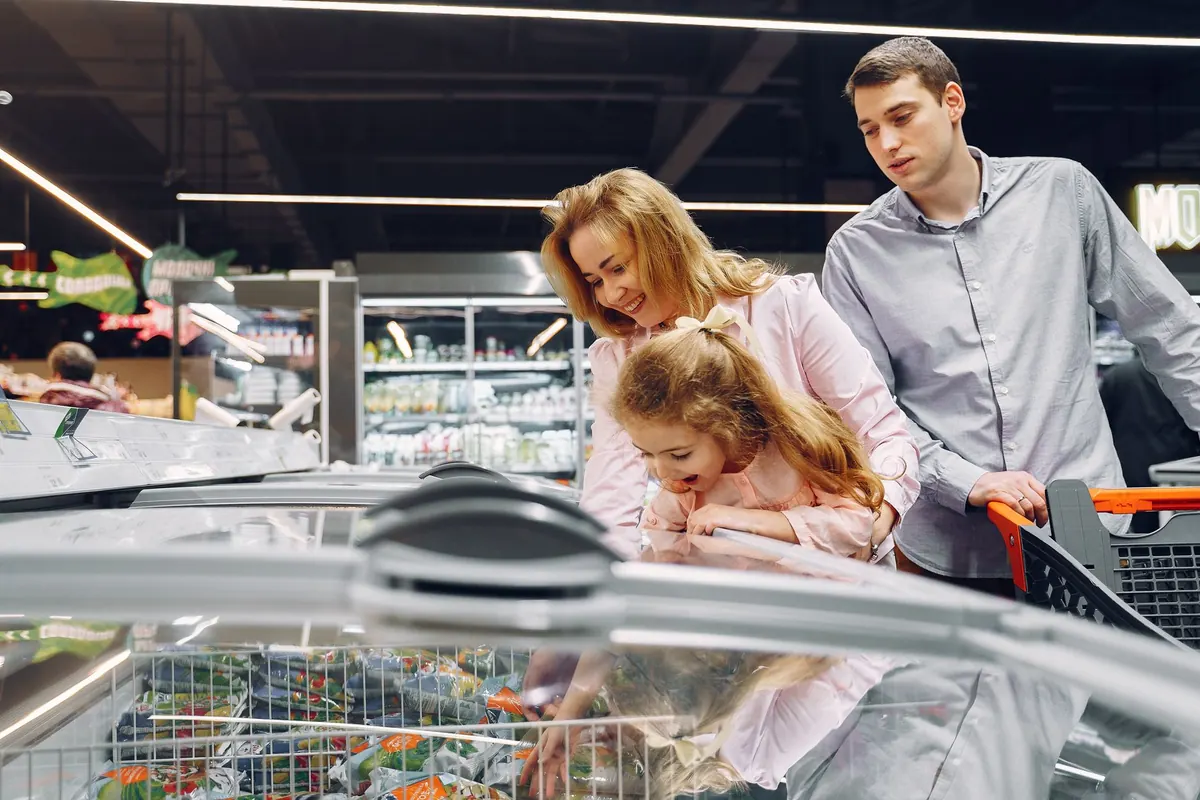
The buyer at a supermarket chain in Dar had a meeting with a new frozen food brand every week. Most of them brought a nice sample and a price list. Few could answer the questions she actually cared about: "Can you deliver to all four branches every week? What happens when your freezer truck breaks down? Who will tell shoppers your product exists?" The brands that could answer those questions got a freezer slot. The rest got a polite "we will call you."
Supermarkets choose a frozen food brand on more than taste. The best buyers check that the product is registered and properly labelled, that the packaging works in a freezer and on a shelf, that the price leaves them a good margin while staying fair for shoppers, that supply and cold chain delivery are reliable, that shoppers will want it, and that the brand will support sales. Here are the nine checks, useful whether you are a buyer or a brand.
Why is getting into a supermarket freezer so hard?
Freezer space is the most expensive space in the shop. Freezers cost a lot to buy, run all day and night, and hold far less than normal shelves. Every product in a freezer has to earn its place, and a slow seller takes space from a fast one. That is why buyers are careful, and why some supermarkets around the world even charge listing or slotting fees for new products.
What are the 9 things buyers check?
1. Registration and compliance
Is the business registered, does it have a TIN, and is the product certified by the Tanzania Bureau of Standards? Can the brand provide invoices that meet tax rules? Without these, most chains cannot list a product, however good it is.
2. Packaging and labelling
Does the pack survive the freezer without tearing or frosting up? Does it have the product name, ingredients, net weight, storage temperature, best before date, cooking instructions, maker details and a barcode? Is it easy to recognise on a crowded shelf? Our frozen fries label guide covers what shoppers look for too.
3. Product quality
Buyers often cook the product themselves or ask staff to try it. For frozen fries they look at colour, crunch, taste and whether the fries come out the same every time. Shoppers who have a bad experience do not buy again, and they blame the shop as well as the brand.
4. Price and margin
The buyer needs a margin that covers freezer costs, staff, losses and profit, while the shelf price stays fair compared with similar products. Brands should know the likely shelf price and work backwards to a wholesale price that leaves room for the shop. A product that is too expensive on the shelf will not sell; one that leaves no margin will not be stocked.
5. Reliable supply
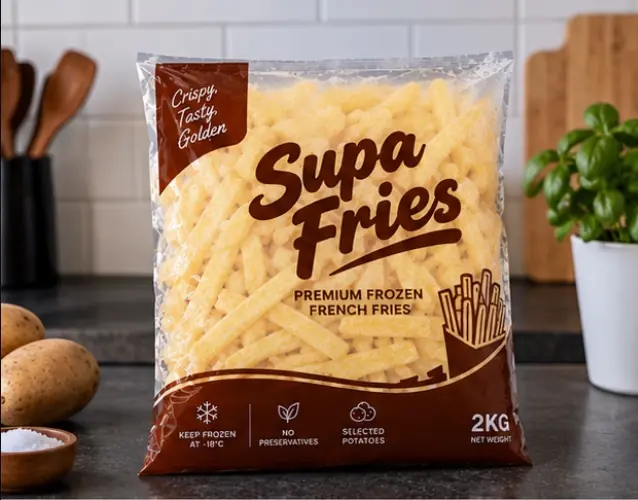
This is the check that sinks most new brands. Can you deliver the right quantity, every week, to every branch? An empty slot in the freezer loses sales and annoys shoppers, so buyers prefer brands that never run out. Local manufacturers have an advantage here, because supply lines are short. Supa Fries, for example, are made in Tanzania; see why made-in-Tanzania frozen fries matter.
6. Cold chain delivery
How does the product reach the shop: refrigerated van or open pickup? At what temperature? Buyers check deliveries at the door and reject soft or frosted stock. Brands that deliver at -18°C and can show how earn trust fast. Our guide on receiving frozen deliveries shows what the shop checks.
7. Shopper demand
Will shoppers look for it? Buyers think about the whole category. Frozen fries sell well in Tanzania because they save time at home, but a buyer will ask whether your brand adds something: a better price, a local story, a better pack size or better quality. Evidence helps, such as sales in other shops, restaurant customers or social media following.
8. Marketing and in-store support
Will the brand help sell the product? Tastings on weekends, shelf talkers, social media posts that mention the shop, and launch discounts all help. Buyers like brands that bring shoppers to the freezer as well as products to fill it. Our post on social media marketing has ideas brands can borrow.
9. Terms and communication
Payment terms, returns for damaged stock, minimum orders and a named contact who answers the phone. Many supermarkets pay on credit, often 30 days or more, so brands must plan their cash for it. A brand that is easy to work with gets more patience when something goes wrong.
What should a brand bring to a supermarket meeting?
| Bring | Why the buyer wants it |
|---|---|
| Business and TBS documents | Proof the product can legally be listed |
| Samples, cooked and frozen | To judge quality and packaging |
| Price list with suggested shelf price | To check margin and fairness |
| Delivery plan and capacity | To trust supply to every branch |
| Cold chain details | To know stock arrives frozen |
| Launch and marketing plan | To see how shoppers will find it |
| Contact person and terms | To know who solves problems |
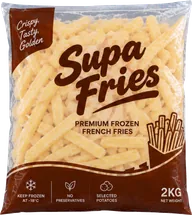
Supa Fries 2 kg packs are made in Tanzania with no preservatives, delivered frozen. Shops and supermarkets can ask about wholesale terms on WhatsApp.
Ask for wholesale pricesWhere does the product go once it is listed?
Supermarkets plan freezer and shelf layouts with a planogram, a map of where every product sits. New brands usually start with a small space and earn more if sales are good. Eye level and the front of chest freezers sell best. Shoppers rarely dig to the bottom of a chest freezer, so a pack buried under other brands might as well not be there. Brands can help by keeping stock full, packs tidy and labels facing out when their merchandisers visit.
What mistakes do new brands make with supermarkets?
- Promising more than they can deliver. Agreeing to supply every branch and then running out is worse than starting with two branches.
- Pricing without the shop's margin. A brand that sets its wholesale price close to the shelf price leaves the buyer nothing.
- Ignoring credit terms. Waiting 30 to 60 days for payment can empty a small brand's bank account. Plan for it before signing.
- Forgetting the shopper. Getting listed is the start. Without tastings, social media and visits to keep the freezer tidy, products sit and get delisted.
- Weak cold chain. One delivery of soft, frosted packs can lose a listing.
Start small, deliver perfectly, and grow branch by branch. Buyers notice brands that keep their promises.
Does this apply to small shops too?
Yes, in a simpler way. A small shop with one freezer still cares about margin, supply, quality and how fast the product sells. Our guide on selling frozen fries in your shop covers the shopkeeper's side. If you want to supply many small shops, becoming a frozen food distributor explains how distribution works.
The buyer in Dar summed up what she looks for in one line: "I can find a cheaper product any day. I need one that is always there, always frozen, and that shoppers come back for."
Supermarkets and shops that want to stock a local brand can order Supa Fries straight cut frozen fries in 2 kg retail packs, supplied as wholesale fries from 15 kg. Request wholesale pricing.
In short
Supermarkets choose frozen food brands on nine things: registration and TBS compliance, packaging and labelling, product quality, price and margin, reliable supply, cold chain delivery, shopper demand, marketing support, and clear terms. Freezer space is expensive, so every product must sell. Brands that can deliver to every branch every week at -18°C, give the shop a fair margin and help bring shoppers to the freezer get listed and keep their space.
Frequently asked questions
What do supermarkets look for in a new frozen food product?
Proper registration and labelling, good packaging, consistent quality, a fair margin, reliable supply, cold chain delivery, shopper demand and marketing support.
Do I need TBS certification to sell in Tanzanian supermarkets?
Most chains require products to meet Tanzania Bureau of Standards requirements. Check the current rules with TBS.
Why is freezer space hard to get?
Freezers cost a lot to buy and run and hold less than normal shelves, so every product must sell well to earn its place.
Do supermarkets pay suppliers on credit?
Many do, often 30 days or more. Brands should plan their cash flow for it.
How can a brand help its product sell in a supermarket?
With tastings, shelf signs, social media posts that mention the shop, launch offers and keeping stock full and tidy.
Put better chips on your menu
Found this useful? Share it.