
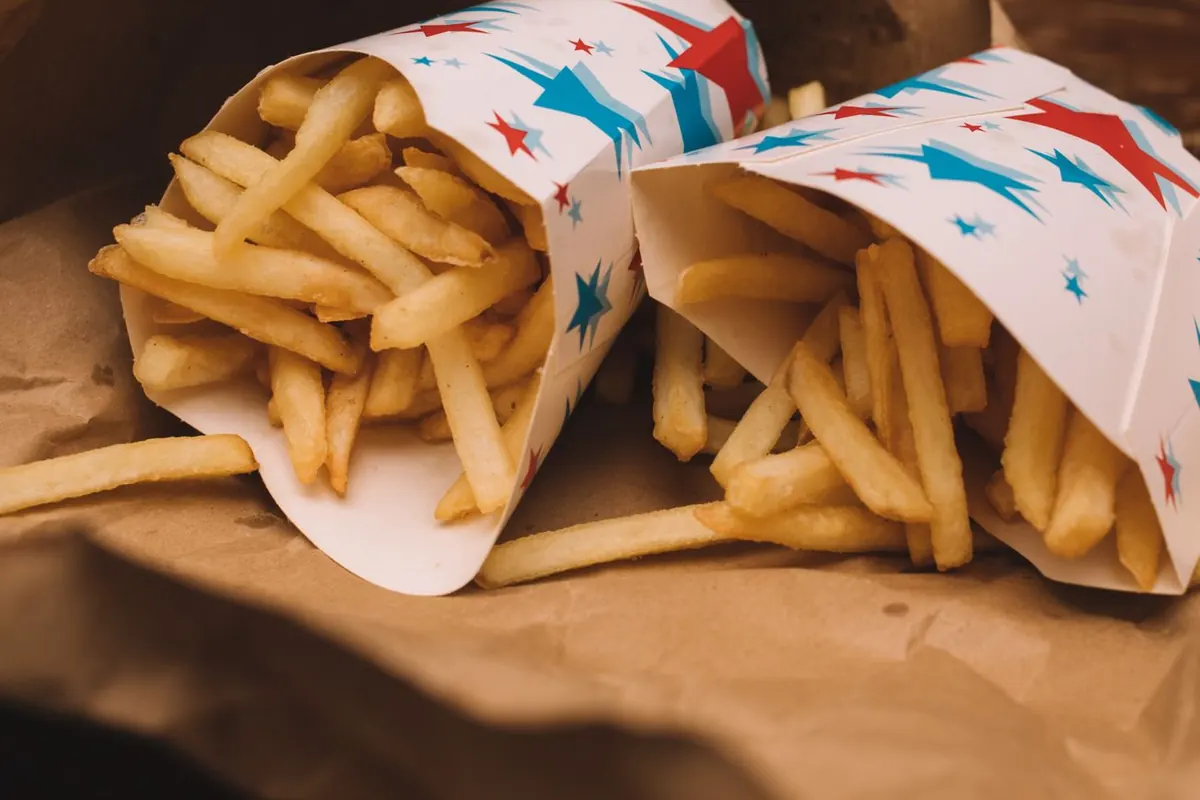
Rehema's chips are famous in her neighbourhood in Kinondoni. When she joined a delivery app, she expected the orders to pour in. They did, and so did the reviews: "Chips were soggy." "Cold and soft." "Good taste but limp." The same chips that were perfect at the counter were arriving like boiled potatoes after twenty minutes in a sealed plastic box on the back of a boda.
Fries go soggy in delivery because steam from the hot chips gets trapped in the box and softens the crust. To keep fries crispy for delivery, use thicker cut fries, fry them fully crisp at about 175°C, drain them well, pack them in a vented paper box or bag (never sealed plastic), keep sauces and wet food separate, and fry only when the rider is a few minutes away. Here are ten tips that make the biggest difference.
Why do fries go soggy in delivery?
A hot chip is full of moisture. As it cools, that moisture comes out as steam. At the counter, the steam floats away. In a closed box, it has nowhere to go, so it condenses on the chips and softens the crust within minutes. Heat makes it worse, the box makes it worse, and wet food packed next to the chips makes it much worse. Every tip below either reduces steam or lets it escape.
What are the 10 best tips for crispy delivery fries?
1. Use thicker cut fries
Thin shoestring fries lose heat and crunch fastest. Medium to thick straight cut fries, around 10 to 12 mm, hold heat and texture longer. Our guide to fry cuts compares them.
2. Fry a little longer for delivery
For the counter, golden is enough. For delivery, fry until golden and fully crisp, sometimes 20 to 30 seconds more, so the crust has more strength to survive the trip. Keep oil at about 175°C and baskets half full. Our crispy chips guide explains why.
3. Cook from frozen
Frozen fries have less surface moisture than fresh-cut chips, and they cook evenly every time. Fresh chips that were not dried well steam much more in the box. See frozen fries vs fresh chips.
4. Drain well, and shake
Let the basket drain for 15 to 20 seconds and give it a good shake. Excess oil makes chips feel greasy and limp when they cool.

5. Salt straight away, lightly
Salt draws moisture out of food, so salting in the box adds wetness. Salt in a bowl right after draining, toss, and pack. Go light; the customer can add more.
6. Let them breathe for 30 seconds
Spread the chips on a wire rack or open tray for half a minute before packing. Much of the first burst of steam escapes there instead of inside the box.
7. Use vented packaging
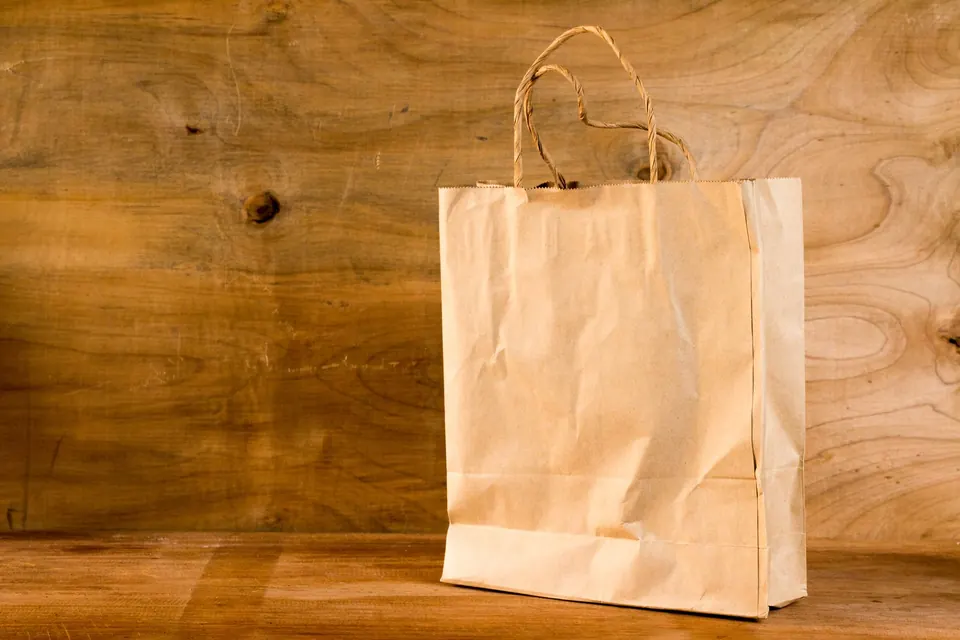
This is the biggest single fix. Use paper or cardboard boxes with vent holes, or open-top fry cups in a paper bag. Avoid sealed plastic and foil containers for chips; they trap steam. If your boxes have no vents, punch three or four small holes in the lid. Wikipedia's page on food packaging explains why breathable materials matter for hot, crisp foods. Do not fill the box to the top; a little air space helps.
8. Pack chips separately from wet food
Never put chips under chicken, stew, sauce or kachumbari. Put sauces in small sealed cups, keep salads in their own container, and pack the chips in their own box. For chipsi mayai, which is meant to be soft, this matters less, but for chips kuku it changes everything.
9. Fry when the rider is close
Chips should be the last thing cooked. Prepare the rest of the order first, and drop the chips when the rider is two or three minutes away. Agree with your regular riders that they message when they are close. Every minute saved on the counter is a minute of crunch on the road.
10. Pack in the right order, and keep it upright
Chips go on top of the bag, upright, with nothing on them. Ask riders to carry bags flat in an insulated delivery box. Tell customers on the menu or a small card that chips are best eaten straight away, and how to revive them.
Which packaging works best for delivery fries?
| Packaging | Crispiness after 20 minutes | Notes |
|---|---|---|
| Sealed plastic box | Poor | Traps steam; chips go soft fast |
| Foil container with lid | Poor to fair | Keeps heat but traps moisture |
| Plain paper bag | Fair | Breathes, but chips can get squashed |
| Cardboard box with vents | Good | Best balance of heat and crunch |
| Open fry cup inside a paper bag | Good | Works well for small portions |
These are general results from kitchens; test your own packaging by ordering from yourself and timing a real delivery.
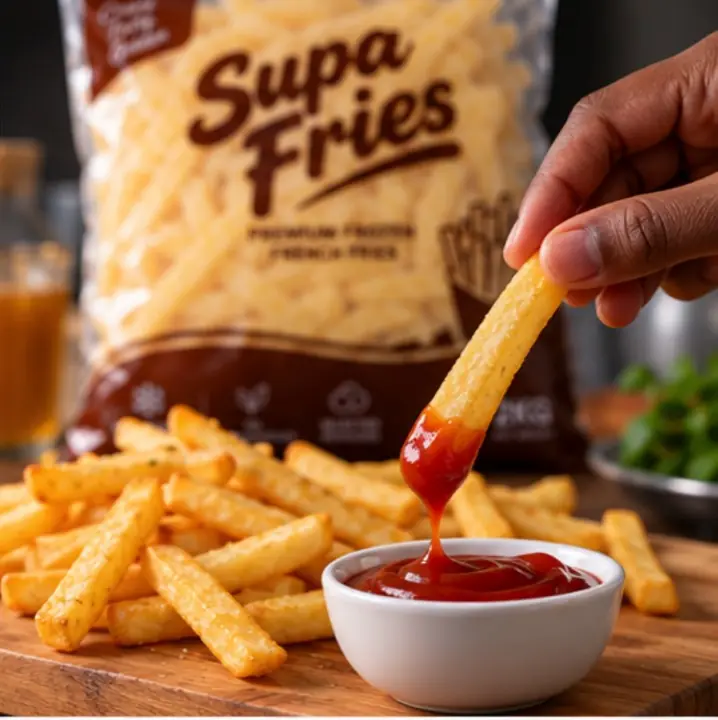
Supa Fries are cut 10 to 12 mm thick, so they hold heat and crunch longer than thin fries. Order wholesale packs for your delivery kitchen on WhatsApp.
Ask for wholesale pricesHow can customers bring delivery fries back to life?
Add a small note in the bag or on your app listing: "Chips softened on the way? Two to three minutes in a hot air fryer or a dry pan brings them back." It shows you care, and it saves a bad review. Our guide on how to reheat fries has the full method. Heat lamps help in the kitchen, but they do not replace good packaging; a heat lamp keeps food warm, not crisp.
How do you test your delivery fries?
Order from yourself. Once a week, place a real order through your app or WhatsApp to a friend's address 15 to 20 minutes away, and ask them to send a photo and an honest review the moment it arrives. Try one change at a time: a new box, frying 30 seconds longer, salting differently, or a different packing order. Write down what you changed and how the chips arrived. Within a month you will know exactly what works for your kitchen and your riders. It costs a few plates of chips and saves you dozens of bad reviews.
How does this help a delivery business?
Chips are often in more delivery orders than any other side, so they shape your reviews. Better chips mean better ratings, better ratings mean the app shows you higher, and that means more orders. Our post on food delivery for restaurants in Tanzania covers apps, riders and pricing, and how to get more reviews explains how to turn happy customers into ratings. If you sell combos, keep the chips in their own box; see our burger and chips combo ideas.
Rehema switched to vented boxes, started frying chips only when the rider messaged, and moved sauces into small cups. Within a month, the reviews changed: "Chips still crunchy when they arrived." She now prints that line on her flyers.
In short
Delivery fries go soggy because steam gets trapped in the box. To keep them crispy, use 10 to 12 mm frozen fries, fry until fully crisp at about 175°C in half baskets, drain and shake well, salt lightly in a bowl, and let them breathe for 30 seconds. Pack them in vented cardboard boxes or open fry cups in a paper bag, never sealed plastic, keep sauces and wet food separate, fry only when the rider is a few minutes away, and tell customers how to re-crisp them in an air fryer or dry pan.
Frequently asked questions
Why do fries get soggy in takeaway boxes?
Hot fries release steam as they cool. In a closed box, the steam condenses on the fries and softens the crust.
What is the best packaging for delivery fries?
Cardboard boxes with vent holes or open fry cups inside a paper bag. Avoid sealed plastic and foil containers.
Should I salt fries before delivery?
Yes, but lightly and in a bowl right after draining, not in the box. Salt draws out moisture.
Are thick or thin fries better for delivery?
Thicker straight cut fries, around 10 to 12 mm, hold heat and crunch longer than thin shoestring fries.
How can customers make delivered fries crispy again?
Two to three minutes in a hot air fryer or a dry frying pan.
When should a kitchen fry the chips for a delivery order?
Last, when the rider is two or three minutes away, after the rest of the order is ready.
Put better chips on your menu
Found this useful? Share it.