
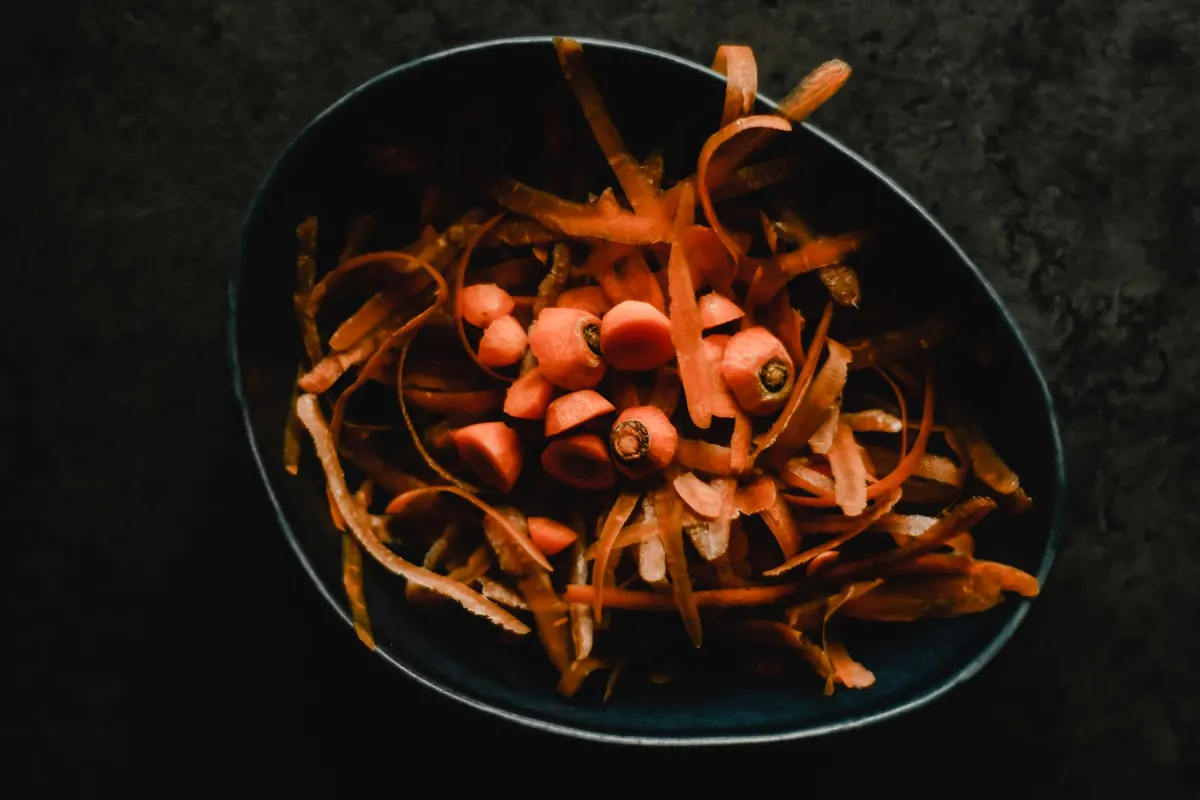
At the end of a long Saturday, a kitchen helper in a Kinondoni restaurant carries the bins out to the back. Half a crate of tomatoes that went soft. A tray of rice cooked "just in case". Peelings from two sacks of potatoes. Plates of chips customers did not finish. Nobody thinks much about it. But if you add up the shillings in those bins every night for a month, it can be enough to pay a worker's salary.
The UN's Food Waste Index Report 2024 estimates that food service, including restaurants, wastes tens of millions of tonnes of food every year worldwide. Most restaurant waste comes from four places: buying too much, poor storage, over-preparing and over-portioning. The fixes are simple: measure what you throw away, order smarter, store food properly, prepare to forecast, control portions and use trimmings well. Here are ten ways to do it.
Why should restaurants care about food waste?
Because waste is a cost you already paid for. If your food cost should be 32 percent but waste pushes it to 38 percent, that difference comes straight out of your profit. Cutting waste is often the fastest way to improve a restaurant's margins without raising prices. It is also better for the environment and for your neighbours, since less rotting food at the back door means fewer flies and smells.
1. Measure your waste for two weeks
You cannot fix what you do not see. Put a sheet next to the bin with three columns: what was thrown away, how much, and why (spoiled, over-cooked, returned by customer, burnt, plate waste). Weigh it or estimate. After two weeks the pattern will be clear, and it is usually two or three items causing most of the waste.
2. Order based on what you sell
Use your sales records to order. If you sell 40 plates of fish on Fridays and 15 on Tuesdays, your order should reflect that. Order fresh produce more often in smaller amounts, and agree regular delivery days with suppliers so you are not tempted to buy too much "in case".
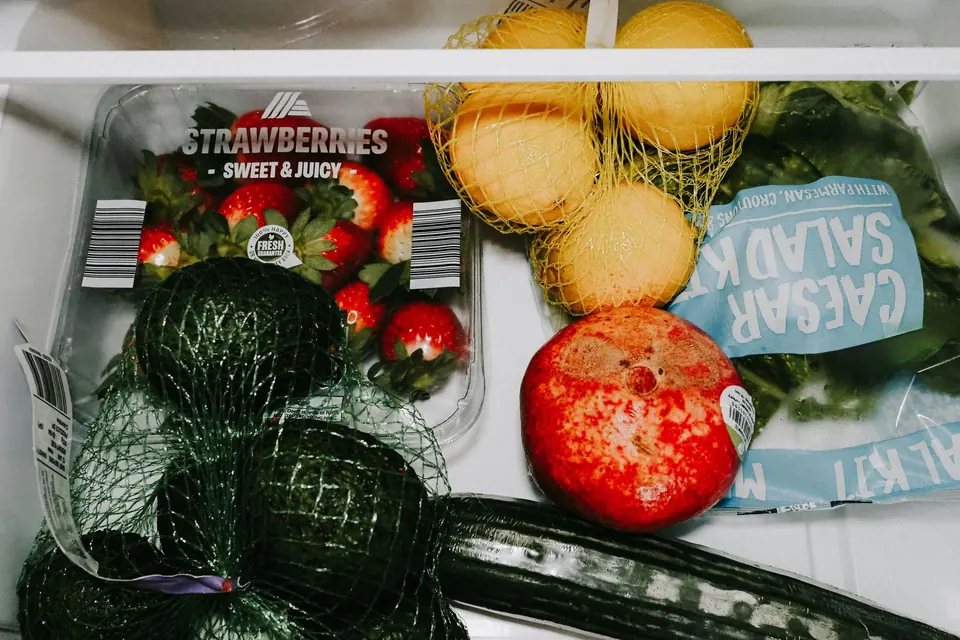
3. Store food properly and use first-in, first-out
- Put new deliveries behind older stock so the oldest is used first.
- Label containers with the date and what is inside.
- Keep raw meat at the bottom of the fridge, cooked and ready-to-eat food above.
- Check fridge and freezer temperatures every day: fridges at 5°C or below, freezers at -18°C.
- Keep dry goods sealed and off the floor, away from heat and pests.
Power cuts are a big cause of waste in Tanzania. A full freezer stays cold longer, so keep it packed and closed, and plan backup power for cold storage. Our chest freezer guide has more tips.
4. Prepare to your forecast, not your hopes
Prep lists should be based on expected sales, not habit. Cook rice, stews and sauces in smaller batches through the day instead of one huge pot in the morning. For fried food, cook to order. A tray of chips fried "ready for the rush" soon becomes a tray of soggy chips nobody wants.
5. Control portions with tools
Over-portioning is invisible waste. If cooks serve "a bit extra" on every plate, it adds up to kilos a week, and often comes back as plate waste. Use scoops, ladles and scales. Show the correct plate with a photo on the recipe card. Our portion guide gives typical chips portions.

6. Watch what comes back on plates
Plate waste tells you what customers think. If half the kachumbari comes back, make the portion smaller. If the rice comes back but the meat does not, adjust the balance. If chips come back, check whether they were soggy, oily or simply too many. Offer half portions for children and lighter eaters.
7. Use trimmings and extras creatively
Many trimmings can become something else, as long as they are fresh and handled safely. Vegetable ends for stock, chicken bones for soup, ripe fruit for juice, day-old bread for toast. Make a "special of the day" that uses what you have in stock. Never serve food that is past its safe time; safety comes first.
8. Reduce prep waste with ready-to-cook products
Some waste starts before cooking. Peeling and cutting potatoes by hand typically loses a good share of the weight as peel and offcuts, plus potatoes that are bruised or rotten inside the sack. Frozen fries are already prepared and stored frozen, so you take out exactly what you need and put the rest back. The same idea works for pre-cut vegetables in a busy kitchen.
Supa Fries stay frozen until you need them, so there is no peeling waste and no soft potatoes at the bottom of the sack.
Ask for wholesale prices9. Train the team and make it everyone's job
Share the waste numbers with staff every week. Explain what one wasted tray costs in shillings. Ask for ideas; cooks and waiters often see the problem first. Some restaurants set a weekly waste target and reward the team when they meet it.
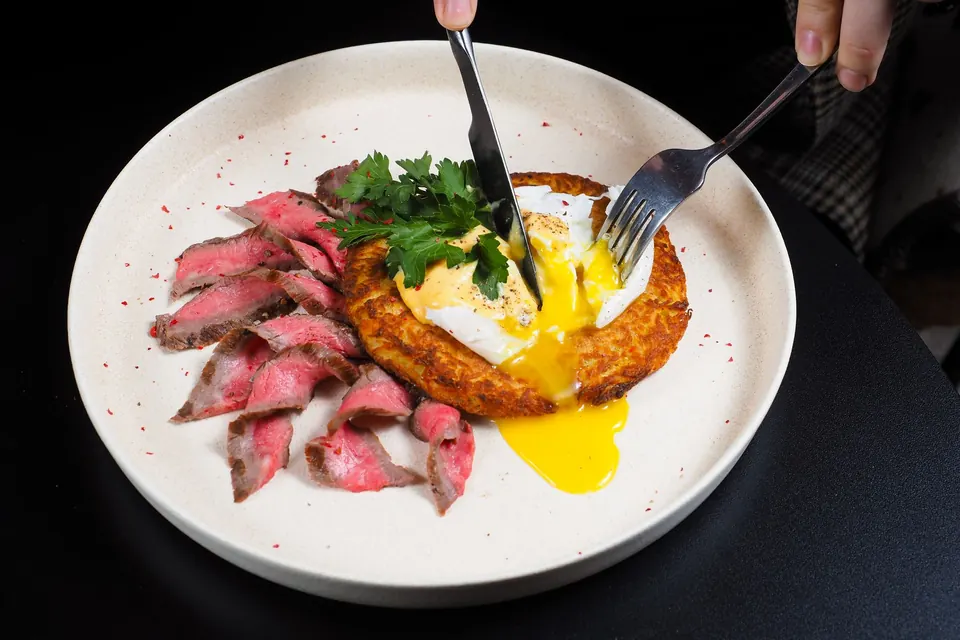
10. Donate or compost what is left
Some unsold, safe food can go to staff meals or local charities, if it was stored correctly and is still within its safe time. Raw scraps can feed compost or animals through local farmers. Talk to your council about proper disposal for the rest.
Where does restaurant waste come from?
| Source | Common cause | Quick fix |
|---|---|---|
| Spoilage | Buying too much, poor storage, power cuts | Smaller orders, labels, FIFO, backup power |
| Prep waste | Peelings, trimmings, bruised produce | Better suppliers, ready-to-cook items, use trimmings |
| Over-production | Cooking too much in advance | Smaller batches, cook to order |
| Plate waste | Portions too big, poor quality | Measured portions, half portions |
| Mistakes | Wrong orders, burnt food | Clear order system, training, timers |
How much can a restaurant save?
It depends on where you start, but restaurants that measure and act on waste often see their food cost drop by a few percentage points. On monthly food purchases of TZS 10 million, cutting waste by just 3 percentage points saves around TZS 300,000 every month. That is real money, and it comes without raising a single price. See our guide to menu pricing to see how waste affects your margins.
How can your menu reduce waste?
A menu where several dishes share ingredients wastes less. If grilled chicken appears in a plate, a wrap and a salad, you can use every piece before it spoils. Daily specials are another tool: let the chef build one dish around what needs using today. And review slow sellers. A dish that sells twice a week but needs five special ingredients is often a waste machine in disguise.
Start small. Pick the one item you throw away most, fix it this week, and then move to the next. Steady progress beats a big plan that nobody follows.
In short
To reduce food waste in a restaurant, measure what you throw away for two weeks, order based on real sales, store food properly with labels and first-in first-out, prepare in smaller batches, control portions with tools and watch plate waste. Use trimmings safely, consider ready-to-cook products to cut prep waste, train your team and donate or compost what is left. Cutting waste lowers food cost without raising prices.
Frequently asked questions
What causes most food waste in restaurants?
Buying too much, poor storage, cooking too much in advance and serving portions that are too large.
How do I track food waste in my restaurant?
Keep a simple sheet by the bin and record what was thrown away, how much and why for at least two weeks.
What is FIFO in a restaurant kitchen?
First in, first out: use older stock before newer stock by putting new deliveries behind existing items and labelling them with dates.
How do power cuts affect food waste?
Food can spoil if fridges and freezers warm up. Keep freezers full and closed during cuts and plan backup power for cold storage.
Can frozen fries reduce kitchen waste?
Yes. They remove peeling and cutting waste, and you can take out only what you need while the rest stays frozen.
Put better chips on your menu
Found this useful? Share it.