
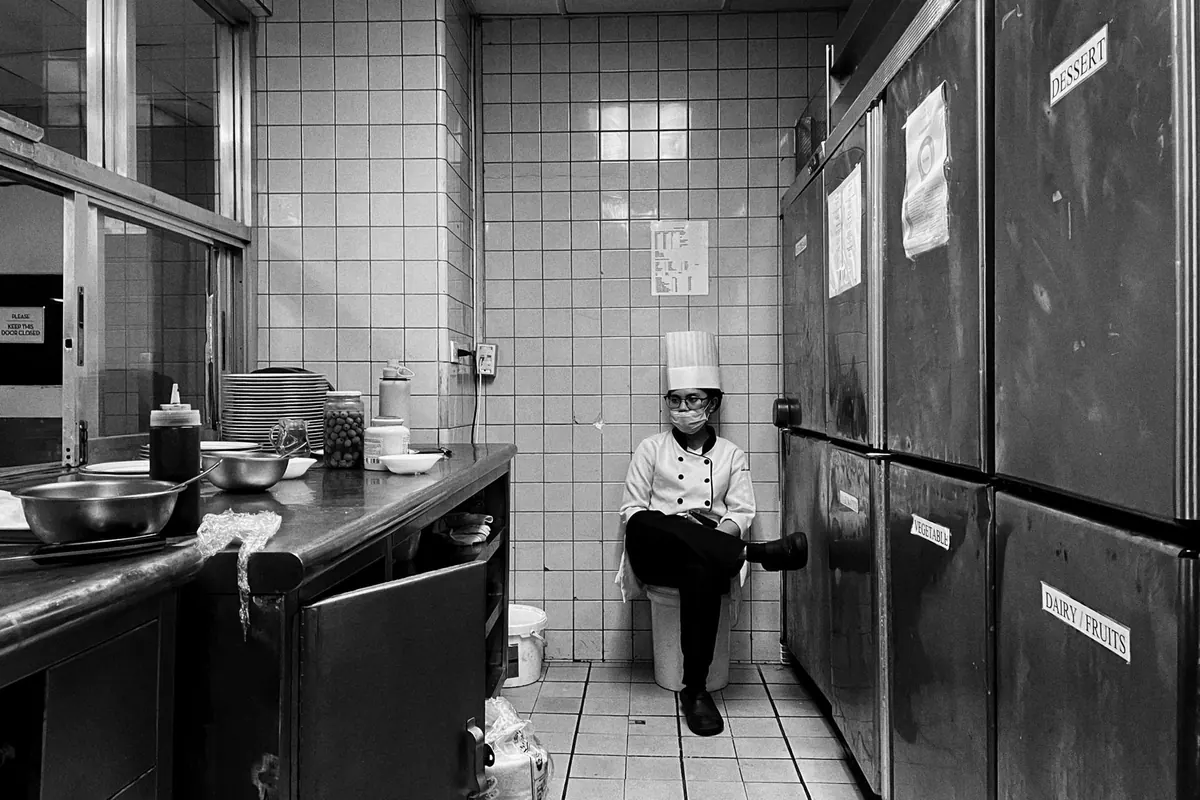
A 60-room hotel in Arusha had full rooms most of the year, but the food and beverage department kept showing a loss. When the new general manager went through a month of records, she found the problem was not one big leak but dozens of small ones: meat bought without checking prices, vegetables thrown out when they spoiled, buffet trays refilled to the top an hour before closing, and portions that changed with every cook. Fixing the small leaks brought the kitchen into profit within three months.
Hotels and lodges in Tanzania control food costs by knowing their food cost percentage for every outlet, using standard recipes and portions, buying from a few reliable suppliers at agreed prices, storing stock properly with first in, first out, managing buffets to cut waste, and checking numbers every week. Here are nine practices that protect margins without making guests feel short-changed.
How do you measure food cost?
Food cost percentage is the cost of food used divided by food sales, for a set period. Work it out every week or month for each outlet:
Food cost % = (opening stock + purchases - closing stock) / food sales x 100
Many hotel restaurants aim for roughly 28 to 35 percent, but buffets and all-inclusive packages work differently, so compare each outlet with its own past results. Together with labour, food cost makes up what accountants call prime cost, the biggest controllable expense in any kitchen.
What are the 9 best practices?
1. Use standard recipes with costs
Every dish should have a written recipe with exact quantities, a photo of the plated dish and its cost per portion. When ingredient prices change, update the cost. Without this, you cannot know which dishes make money.
2. Fix portion sizes
Give each station the right scoops, ladles and scales. A side of fries that drifts from 150 g to 200 g adds a third to its cost without anyone noticing. Our post on keeping chips consistent shows how simple tools fix this.
3. Buy from fewer, better suppliers
Agree prices and delivery days with a small number of reliable suppliers instead of buying from whoever is at the gate. Compare on cost per usable portion, not price per kilo, because waste and quality matter. See what to check in a supplier.
4. Receive deliveries properly
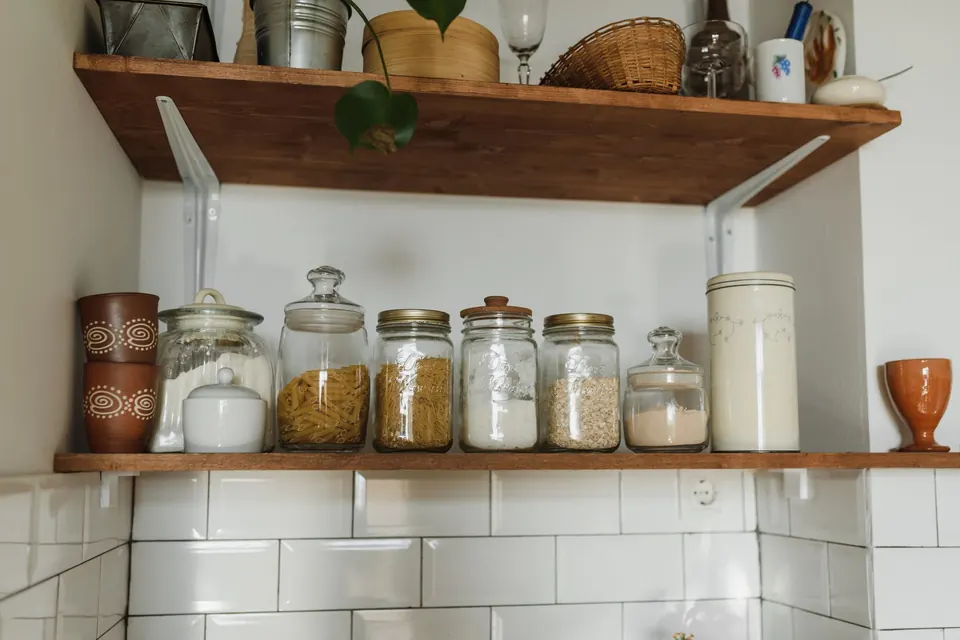
Check weights, counts, quality and temperatures at the door, against the order. Short deliveries and thawed stock that slip through are pure loss. Our receiving checklist covers frozen goods.
5. Store well and rotate
Label and date everything, use first in, first out, and keep fridges and freezers at the right temperatures. Long-life frozen staples like frozen fries, vegetables and fish reduce spoilage compared with fresh items that must be used in days, especially for remote lodges.
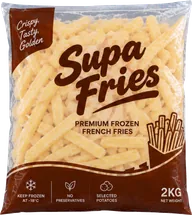
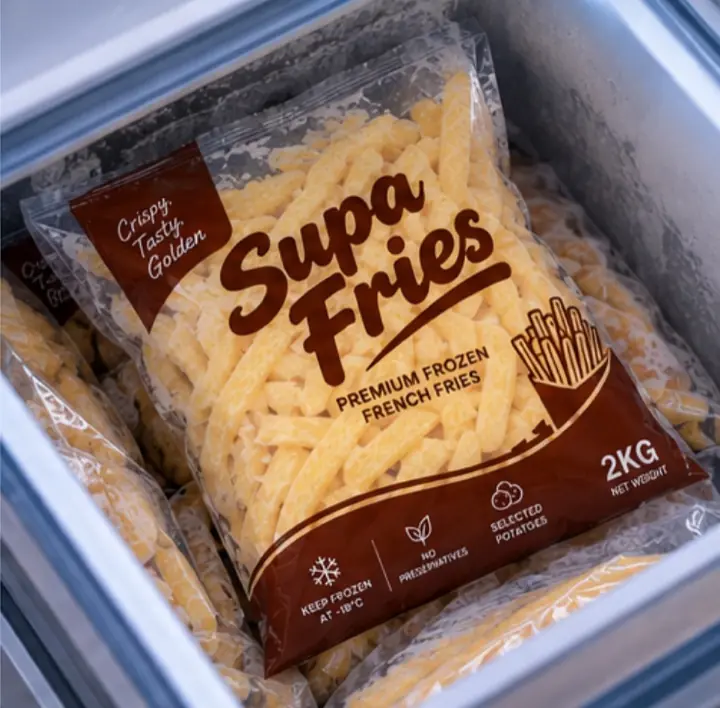
Supa Fries keep up to 12 months at -18°C with no peeling waste, so you pay only for fries you serve. Ask for a hotel or lodge quote.
Get a quote6. Manage the buffet
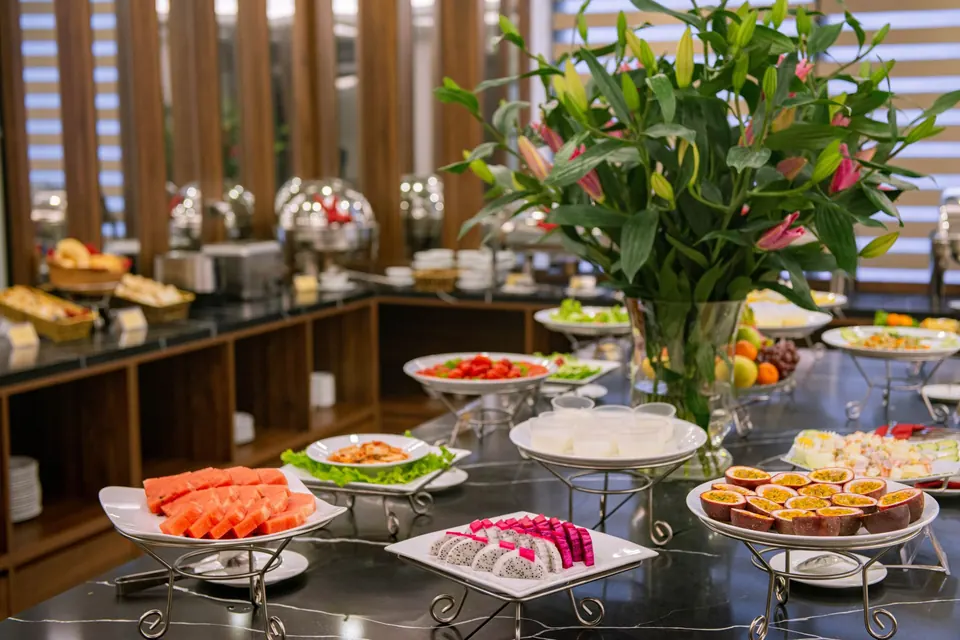
Buffets are where most hotel food waste happens. Use smaller trays and refill more often, reduce refills in the last 30 minutes, put cheaper items like rice, chips and vegetables at the start of the line and portion proteins with a server. Record what is thrown away at the end of each service. The UN's Food Waste Index shows how much food the hospitality sector loses, and how much simple measuring helps.
7. Plan menus around what you have
Use trimmings and surplus wisely: vegetable offcuts for soups and stocks, leftover roast chicken for staff meals or next day's salads (where safe), day-old bread for croutons. Plan the staff menu around surplus, not around fresh purchases.
8. Control issues from the store
Every item leaving the store should be signed out against a requisition from the kitchen. This simple step stops stock disappearing and shows exactly where it goes.
9. Review the numbers weekly
Count stock at the same time every week, calculate food cost per outlet, and compare with the target. If one outlet jumps, look at its purchases, waste log and portions straight away rather than waiting for the month end.
Where do hotel kitchens usually lose money?
| Leak | Example | Fix |
|---|---|---|
| Over-portioning | Sides and proteins served by eye | Scoops, scales, plate photos |
| Spoilage | Fresh produce bought too far ahead | Smaller, more frequent orders; frozen staples |
| Buffet waste | Full trays at closing time | Smaller trays, fewer late refills |
| Receiving errors | Short weights, thawed stock | Check every delivery |
| Prep waste | Peels and trimmings from fresh potatoes | Buy prepared items where it costs less overall |
| Theft and loss | Unrecorded issues from store | Signed requisitions |
How should hotels price buffets and packages?
Price a buffet from its real cost per guest, not from habit. Add up the food cost of everything on the buffet for a typical service, divide by the average number of guests, and add labour, energy and a margin. Review it every quarter, because ingredient prices change. For half-board and full-board packages, give the kitchen a clear food budget per guest per day and track actual spend against it every week.
What changes for all-inclusive and safari packages?
In all-inclusive hotels and safari lodges, guests do not pay per dish, so the kitchen must manage cost without guests noticing. Plan menus around seasonal produce, use a mix of premium and simple dishes on the same buffet, serve fresh food in small batches, and track waste closely. Long-life frozen staples are especially useful for remote properties; see our guide on frozen food supply for safari lodges.
How should staff meals be managed?
Staff meals are a real cost, often a large one in hotels with many employees. Plan them with a set menu and budget, cook them from planned surplus and simple staples, and record the cost separately so it does not hide inside the guest food cost. Good staff meals matter for morale, so aim for filling, tasty food at a controlled cost rather than leftovers alone. Rice, beans, ugali, greens, chips and stews are reliable choices.
What simple tools help?
You do not need expensive software to start. A spreadsheet for weekly stock counts, a printed waste log at each station, recipe cards with costs, a set of portion scoops and a good kitchen scale cover most of what a hotel needs. Larger properties can move to inventory software later, but the habits matter more than the tool. Start with the weekly count and build from there.
How do you get the kitchen team involved?
Share the food cost target with the chefs and show them the weekly result. When cooks see that portions and waste affect the hotel's results, most of them take pride in improving. Recognise the team when costs come down. Training on standard recipes and portions should be part of every new cook's first week; our post on training kitchen staff has ideas. For waste in particular, see reducing food waste.
The Arusha hotel now posts its weekly food cost on the kitchen notice board. "The chefs started competing to bring it down," the general manager says. "That never happened when only the accountant knew the number."
In short
Hotels and lodges control food costs by measuring food cost percentage for each outlet every week, using costed standard recipes and fixed portions, and buying from a few reliable suppliers at agreed prices. Check every delivery, store and rotate stock properly, use long-life frozen staples to cut spoilage, manage buffets with smaller trays and fewer late refills, use surplus for staff meals, sign every item out of the store, and share the numbers with the kitchen team.
Frequently asked questions
What is a good food cost percentage for a hotel restaurant?
Many aim for roughly 28 to 35 percent, but buffets and all-inclusive outlets differ, so compare each outlet with its own past results.
How do you calculate food cost?
Opening stock plus purchases minus closing stock, divided by food sales for the same period, times 100.
Where do hotels waste the most food?
Usually on buffets, followed by spoilage of fresh produce and over-portioning.
How can buffets waste less?
Use smaller trays, refill more often in small amounts, reduce refills near closing, and portion proteins with a server.
Do frozen staples help control costs?
Yes. Long shelf life cuts spoilage, and prepared items like frozen fries remove peeling waste and prep labour.
Put better chips on your menu
Found this useful? Share it.